
Animal facts
What Do Zoos Do for Conservation? 5 Animals Zoos Helped Save
From California condors to black-footed ferrets, some species exist today because zoos bred them when the wild ones were nearly gone. Here's how zoo conservation works.
By the Feather & Fang team3 min read
On this page
Quick overview
- Accredited zoos manage 'backup' populations of endangered animals through cooperative breeding programs, then help return animals to the wild when it's possible.
- Several species were rescued this way after disappearing from the wild, including the California condor, black-footed ferret, Przewalski's horse, Arabian oryx and red wolf.
- Zoos also fund and staff field conservation, run research and veterinary programs, and teach millions of visitors about wildlife.
- Not every zoo does this. Accreditation from the Association of Zoos and Aquariums (AZA) requires taking part in conservation.
Modern zoos often describe themselves as conservation organizations. That can sound like marketing, but for some species it's the reason they still exist. Here's how zoo conservation works, and five animals that show what it can do.
How zoos help wildlife
Backup populations
When a species is in trouble in the wild, zoos can hold an insurance population: a healthy, managed group in human care that keeps the species going if the wild population crashes.
At accredited zoos this is coordinated through Species Survival Plan (SSP) programs. Each one tracks every animal of a species across many zoos in a shared studbook and recommends which animals should breed, so the population stays genetically diverse instead of inbred. AZA says it runs nearly 300 SSP programs.
Returning animals to the wild
When there's safe habitat and the threats have been reduced, zoo-bred animals can be reintroduced. That's the end goal for many breeding programs, though it only works alongside habitat protection.
Field conservation
Zoos also fund and staff projects in the wild: protecting habitat, monitoring populations, training rangers and working with local communities. AZA's SAFE (Saving Animals From Extinction) programs pool the work of many zoos on a single species.
Research and veterinary science
Working with animals every day gives zoos knowledge that's hard to get in the wild: nutrition, reproduction, disease and behavior. That knowledge feeds back into caring for wild populations.
Education
Zoos reach millions of visitors a year. For many people, a zoo is where they first see an animal they'll go on to care about protecting.
5 animals zoos helped save
1. California condor
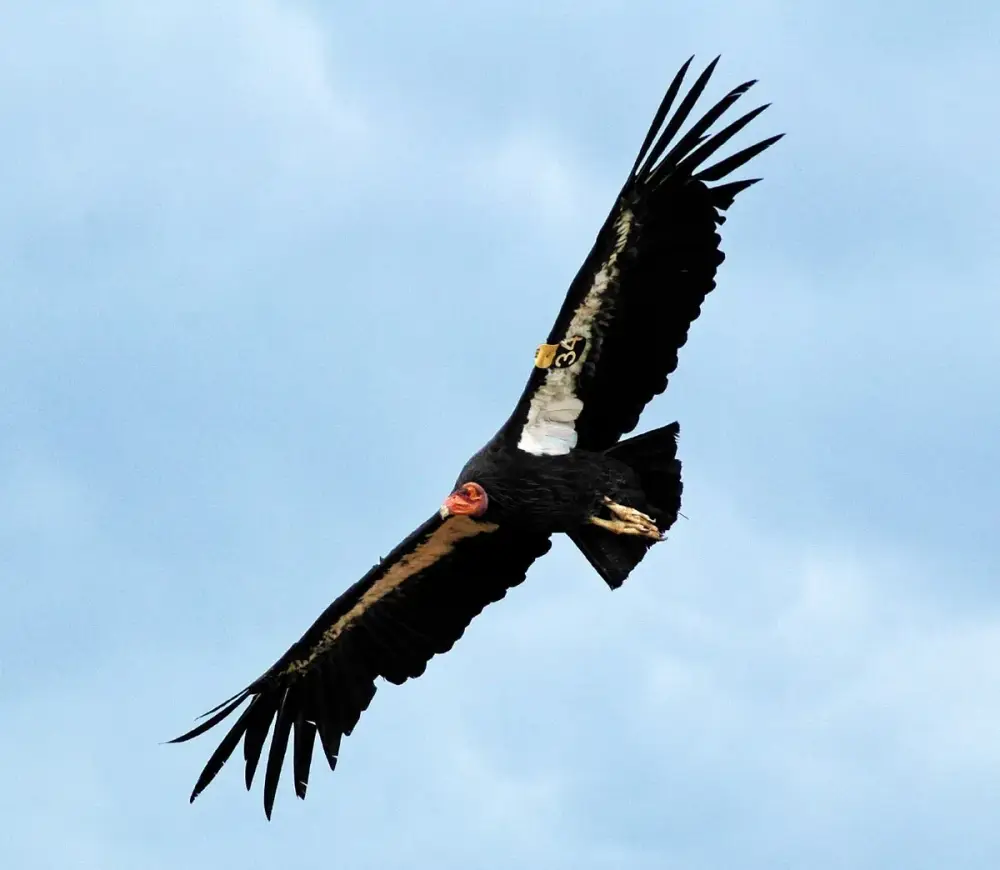
North America's largest land bird came close to disappearing. By 1987, only 27 California condors were left, and wildlife officials captured every remaining wild bird to save the species.
Those birds were bred at the San Diego Wild Animal Park (now the San Diego Zoo Safari Park) and the Los Angeles Zoo. Condors have been released back into the wild since 1991, in California, Arizona, Utah and Baja California in Mexico. The species is still critically endangered, but hundreds now fly free. Learn about the California condor.
2. Black-footed ferret
The black-footed ferret was declared extinct in 1979, but in 1981 a small wild population turned up near Meeteetse, Wyoming. When disease struck that population, the survivors were brought into human care for breeding.
A captive breeding program led by the U.S. Fish and Wildlife Service, with zoos as key partners, produced ferrets that were reintroduced to the wild from 1991 across eight western states, Canada and Mexico. Learn about the black-footed ferret.
3. Przewalski's horse
Przewalski's horse is a wild horse from the steppes of Central Asia. It disappeared from the wild in the 20th century and survived only in zoos.
Zoos around the world cooperated to breed it, and since the 1990s it has been reintroduced to Mongolia, including Hustai National Park. Learn about Przewalski's horse.
4. Arabian oryx
This white desert antelope was extinct in the wild by the early 1970s, wiped out by hunting. It survived in zoos and private reserves, and reintroductions began in 1980.
In 2011, the Arabian oryx became the first animal to improve from "Extinct in the Wild" to "Vulnerable" on the IUCN Red List. Learn about the Arabian oryx.
5. Red wolf
The red wolf, a wolf native to the southeastern U.S., declined almost to nothing. The last wild red wolves were captured in the 1970s to start a breeding program, and the species was declared extinct in the wild.
Zoo-bred red wolves were reintroduced to eastern North Carolina in 1987. The wild population remains very small and fragile, and zoos still hold most red wolves, so the backup population matters as much as ever. Learn about the red wolf.
The honest picture
Zoo conservation isn't a cure-all. Breeding animals in human care can't save a species whose habitat has disappeared, and reintroductions are slow, expensive and sometimes fail. Not every zoo takes part in conservation work at all.
That's why it's worth knowing which zoos do. AZA accreditation requires a zoo to take part in conservation, so it's a good place to start. Read what AZA accreditation means, or find an accredited zoo near you.
Common questions
Do zoos really help endangered species?
Yes, in documented cases. The California condor, black-footed ferret, Przewalski's horse, Arabian oryx and red wolf all disappeared from the wild, or nearly did, and survived because zoos and wildlife agencies bred them in human care and later returned them to their native habitats.
What is a Species Survival Plan?
A Species Survival Plan (SSP) is a cooperative breeding program run by the Association of Zoos and Aquariums. It manages the population of one species across many zoos, using a shared studbook to recommend which animals breed and which move between zoos so the population stays healthy and genetically diverse.
What animal did zoos save from extinction?
One of the best-known examples is the California condor. By 1987 only 27 were left, and all were brought into human care. Breeding at the San Diego Wild Animal Park and the Los Angeles Zoo rebuilt the population, and condors have been released back into the wild since 1991.
Do zoos release animals back into the wild?
Sometimes. Zoo-bred animals have been released for species such as the California condor, black-footed ferret, Przewalski's horse, Arabian oryx and red wolf. Release only works when there is safe habitat to return to, so for many species zoos focus on protecting wild habitat and keeping a healthy backup population.
In this post
Get the Feather & Fang newsletter
Zoo news, animal features and what's new in the directory. Occasional, never spammy.
More from the blog
 Sunuwargr · CC BY-SA 4.0
Guides
What Does AZA Accreditation Mean? A Guide for Zoo Visitors
AZA accreditation is the strictest independent standard a U.S. zoo or aquarium can meet. Here's what it checks, how a zoo earns it, and what it means for your visit.
· 4 min read
 Charles J. Sharp · CC BY-SA 4.0
Animal facts
The 10 Animals You're Most Likely to See at a U.S. Zoo
We counted the animals on 339 U.S. zoos' own published lists. A lemur from Madagascar beats every lion, bear and eagle. Here's the top 10, and where to see them.
· 4 min read
 Thomas Fuhrmann · CC BY-SA 4.0
Guides
How to Plan a Great Day at the Zoo: 15 Tips for Families
When to go, what to bring, how long to stay and how to save money. Practical tips for planning a family day at the zoo, from people who visit a lot of them.
· 4 min read