
Conservation in zoos
Ex situ conservation
Also called Ex-situ conservation, Off-site conservation, Ex situ management, In situ vs ex situ
Definition
Ex situ conservation means protecting a species outside its natural habitat, for example by breeding it in zoos, aquariums or botanical gardens, or by storing seeds and frozen cells. In situ conservation is the opposite: protecting species where they live in the wild.
On this page
What ex situ conservation is
Ex situ conservation is protecting a species outside its natural habitat. The phrase is Latin for "off site."
For animals, that usually means keeping and breeding them in zoos, aquariums, breeding centers or wildlife facilities. It can also mean storing frozen sperm, eggs or cells in a genetic bank, sometimes called a "frozen zoo." For plants, it includes botanical gardens and seed banks.
In situ vs. ex situ
The two terms are opposites:
- In situ ("on site") conservation protects species where they live, through national parks, wildlife reserves, anti-poaching work and habitat restoration.
- Ex situ ("off site") conservation protects them somewhere else, under human care.
Most conservation scientists see them as partners. The International Union for Conservation of Nature (IUCN) publishes guidelines on when ex situ management makes sense, and it's typically used to support a species' survival in the wild, not replace it.
When ex situ conservation is used
Moving a species into human care is a big step. It's usually considered when:
- The wild population is crashing and may not survive long enough for threats to be fixed
- A threat can't be stopped quickly, such as a disease or an invasive predator
- Animals are needed for reintroduction or to boost a small wild population
- Research in human care can answer questions that help wild animals
Examples
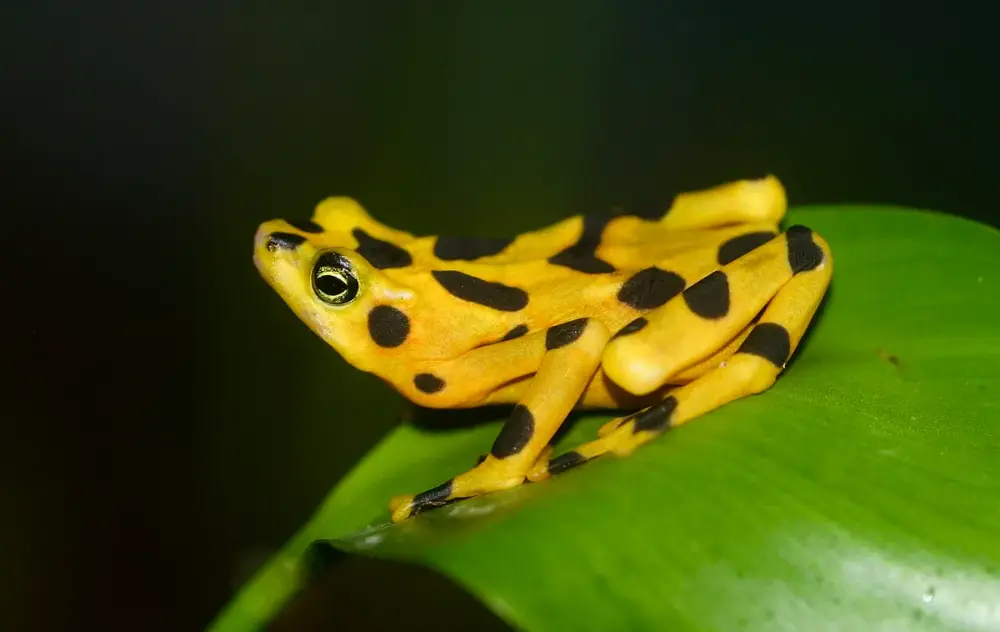
- The Panamanian golden frog was collected into breeding programs as a deadly fungal disease, chytridiomycosis, swept through its range. It may have been gone from the wild since about 2007.
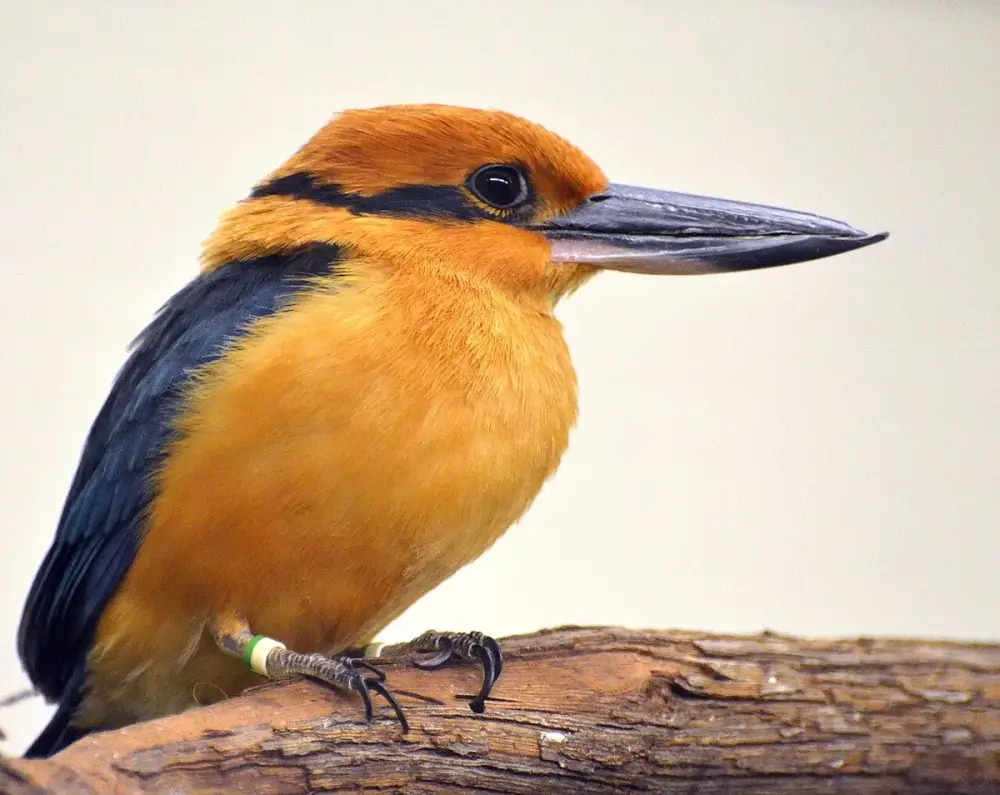
- The Guam kingfisher survives because of a captive breeding program after an introduced snake wiped out the wild population. In 2024, birds from U.S. zoos were released on Palmyra Atoll.
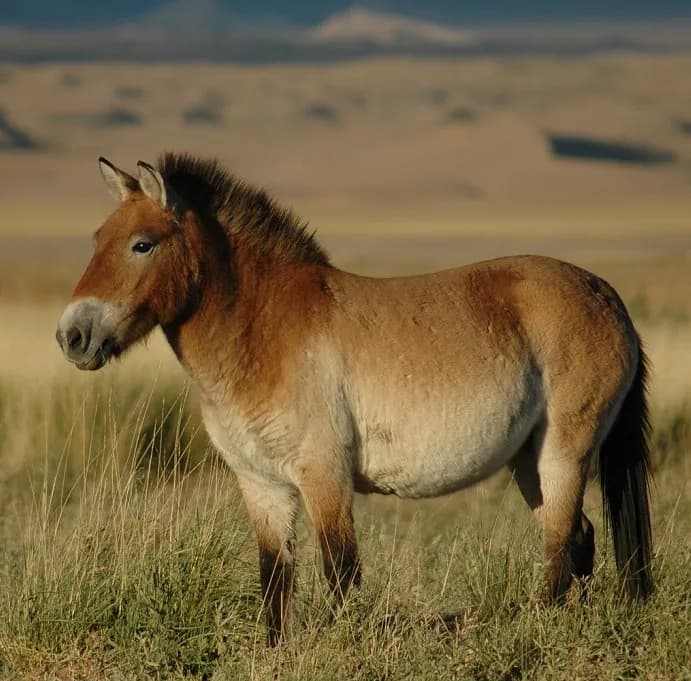
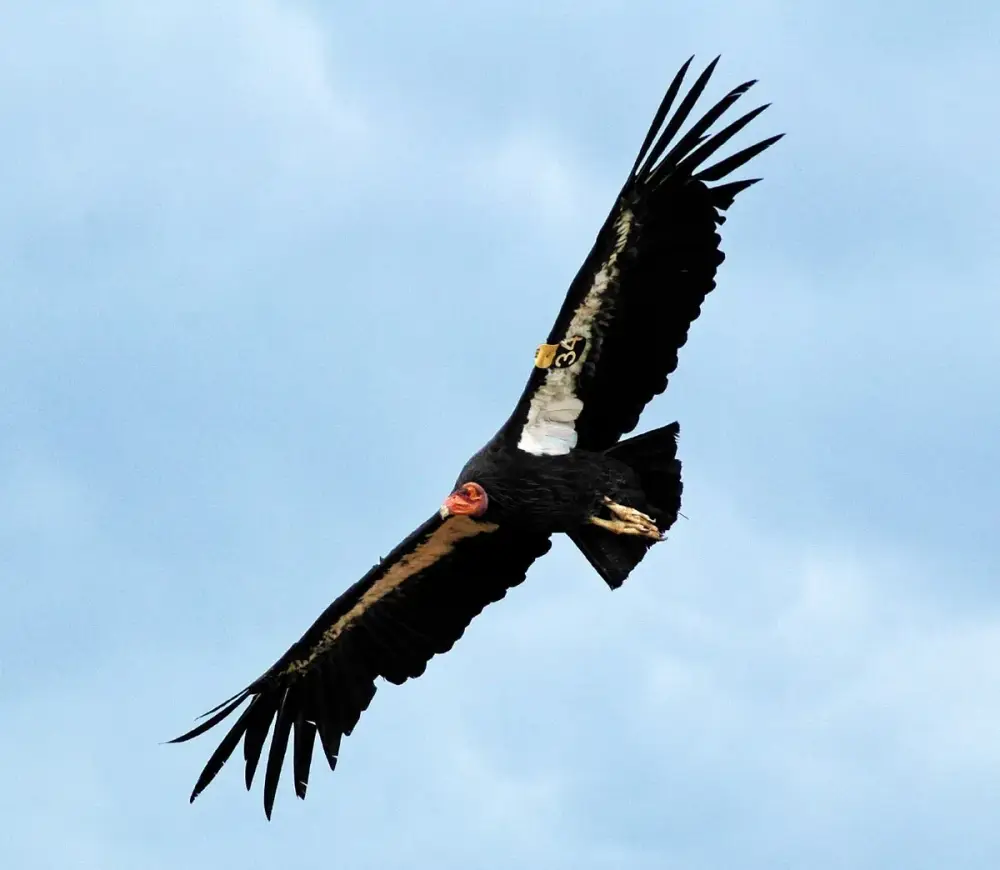
- The Przewalski's horse and California condor both survived in human care and were later returned to the wild.
The limits
Animals in human care for many generations can slowly adapt to captivity, and small populations lose genetic diversity. That's why zoos manage these groups carefully with studbooks and Species Survival Plans, and why the long-term goal is usually a safe place back in the wild. Read more about how zoos help conservation.
Examples
Common questions
What is the difference between in situ and ex situ conservation?
In situ conservation protects species in their natural habitat, for example through national parks and wildlife reserves. Ex situ conservation protects them somewhere else, such as zoos, aquariums, botanical gardens and seed or gene banks.
Are zoos an example of ex situ conservation?
Yes. Zoos and aquariums are the most familiar places for ex situ conservation, especially when they breed endangered species in coordinated programs that keep a healthy backup population.
What does ex situ mean?
Ex situ is Latin for 'off site.' In conservation it means anything done away from the species' natural habitat.
Is ex situ conservation better than in situ conservation?
Neither replaces the other. Protecting wild habitat is the long-term goal, and ex situ work is most useful as a backup and a source of animals for reintroduction while threats in the wild are being fixed.
Related terms
- Insurance populationAn insurance population is a group of animals kept in human care as a backup for a species that is at risk in the wild. If the wild population crashes, the insurance population keeps the species alive and can supply animals for reintroduction.
- Species Survival Plan (SSP)A Species Survival Plan (SSP) is a cooperative breeding program run by the Association of Zoos and Aquariums (AZA). It manages one species across many zoos and aquariums as a single population, recommending which animals breed and which move so the population stays healthy and genetically diverse.
- ReintroductionReintroduction is the deliberate release of animals into part of their native range where the species has disappeared, with the goal of establishing a healthy, self-sustaining wild population. Released animals can come from zoos, breeding centers or other wild populations.
- StudbookA studbook is the official record of every animal in a managed zoo population, tracking each one's parents, birth, moves between institutions and death. Population managers use it to plan breeding that keeps the population healthy and genetically diverse.
- Extinct in the WildExtinct in the Wild (EW) is the IUCN Red List category for species that survive only in human care, in cultivation, or as a naturalized population well outside their historic range. It is the last category before Extinct.
Sources
- IUCN SSC Guidelines on the Use of Ex Situ Management for Species Conservation, Version 2.0
- Ex situ conservation (Wikipedia)
- In situ conservation (Wikipedia)
Last reviewed
Get the Feather & Fang newsletter
Zoo news, animal features and what's new in the directory. Occasional, never spammy.