
Conservation in zoos
Insurance population
Also called Assurance population, Assurance colony, Backup population, Safeguard population
Definition
An insurance population is a group of animals kept in human care as a backup for a species that is at risk in the wild. If the wild population crashes, the insurance population keeps the species alive and can supply animals for reintroduction.
On this page
What an insurance population is
An insurance population is a backup. It's a group of animals of a threatened species kept and bred in human care, usually in zoos, aquariums or dedicated breeding centers, so the species won't disappear if something goes wrong in the wild.
You'll also see it called an assurance population, an assurance colony (especially for frogs and other amphibians) or a safeguard population. All mean roughly the same thing.
Why insurance populations exist
Some threats move faster than conservation can respond. A new disease, an invasive predator or a sudden loss of habitat can wipe out wild animals in a few years, while fixing the problem can take decades.
An insurance population buys time. It:
- Keeps the species alive if the wild population collapses
- Preserves genetic diversity that would otherwise be lost
- Provides animals for reintroduction once the habitat is safe again
- Supports research into the threat itself
What makes a good insurance population
A backup is only useful if it's healthy. That means:
- Enough founders, so the group starts with a broad range of genes
- Careful breeding management, using a studbook to avoid inbreeding
- Spreading animals across several institutions, so one disease outbreak or disaster can't wipe them all out
- Keeping natural behaviors, so animals could survive if released
In U.S. zoos, many insurance populations are managed through Species Survival Plans.
Examples
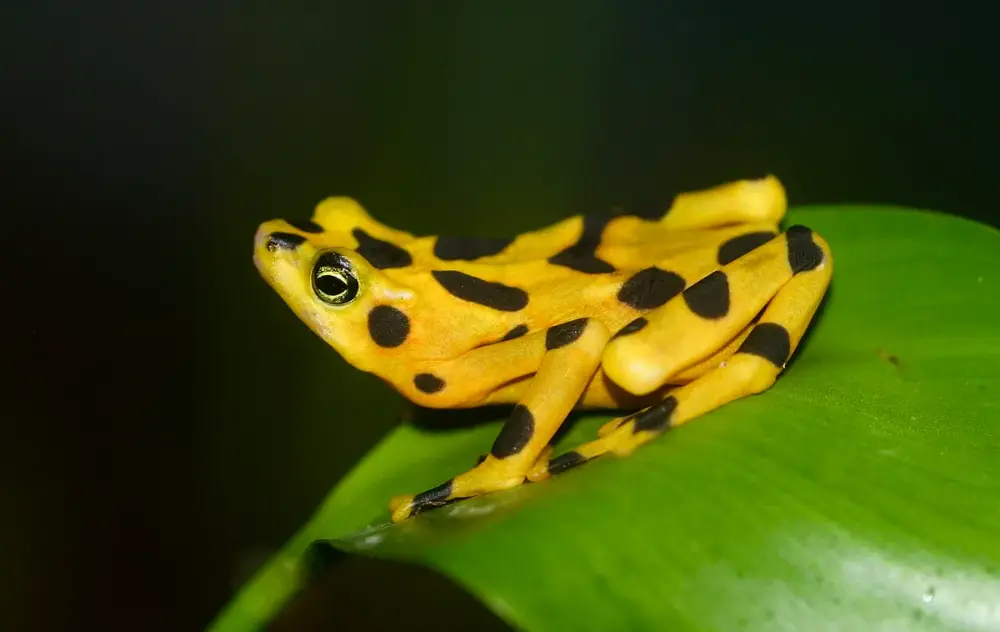
- Panamanian golden frog: Conservation groups collected frogs into captive assurance colonies before chytrid fungus reached their streams. The species may have been gone from the wild since about 2007. Releases are on hold until the disease can be controlled.
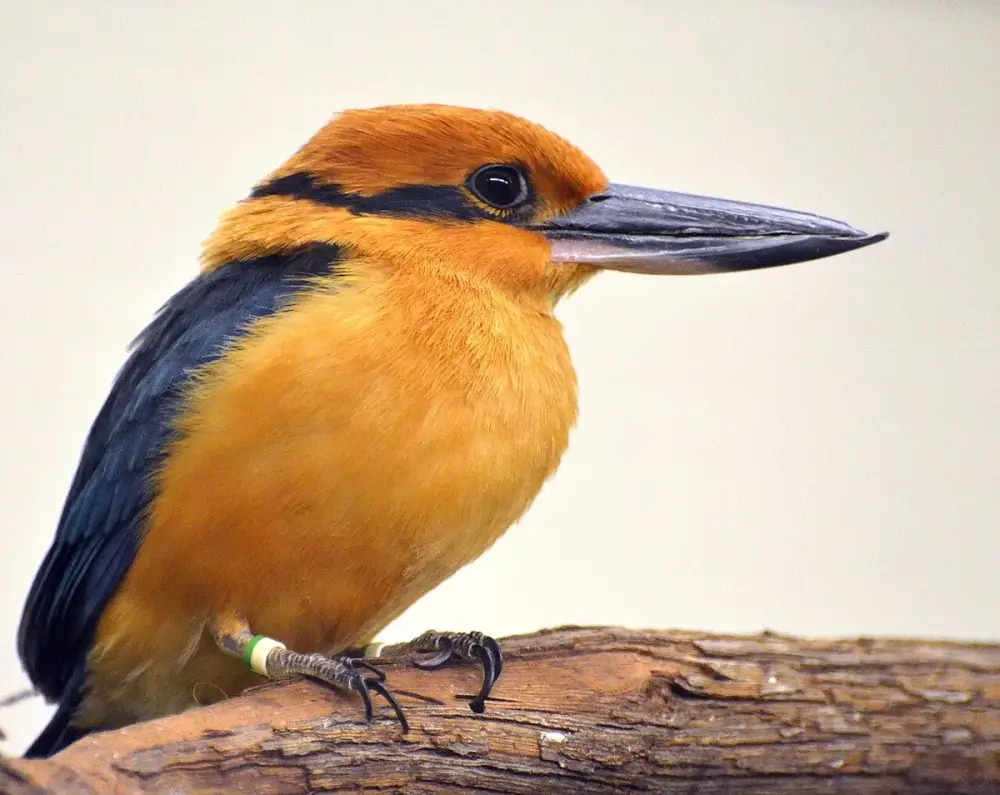
- Guam kingfisher: After the invasive brown tree snake wiped out the wild birds on Guam, the species survived only in human care.
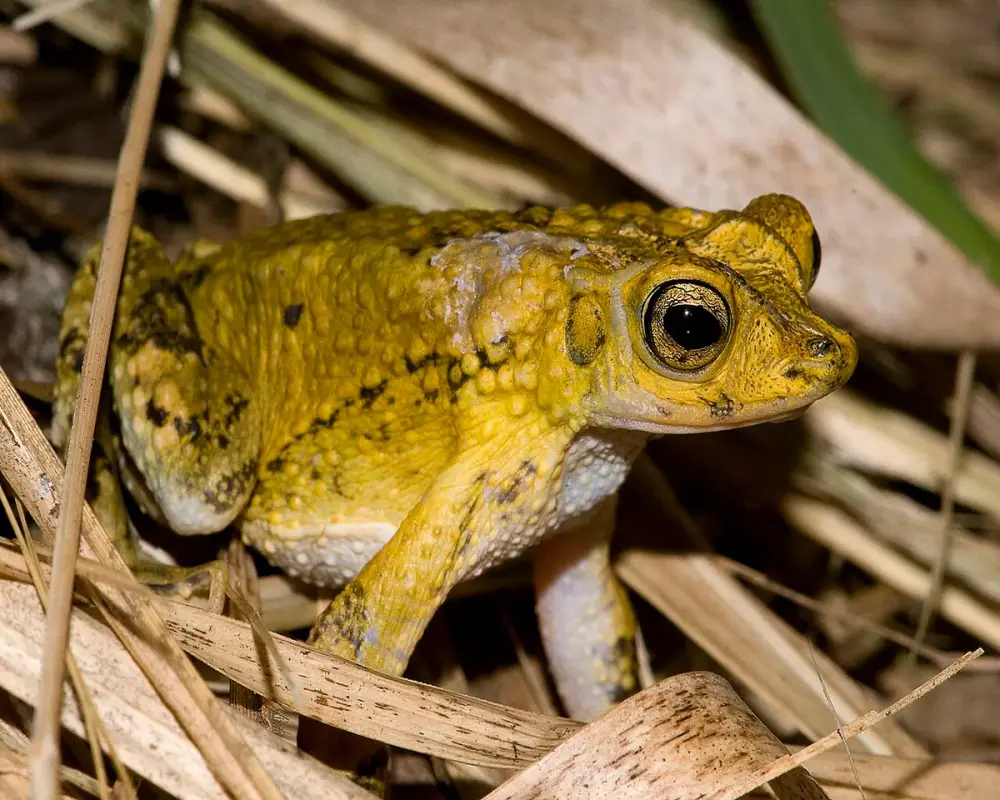
- Puerto Rican crested toad: Zoos breed toads and send tadpoles to Puerto Rico for release, adding to the wild population.
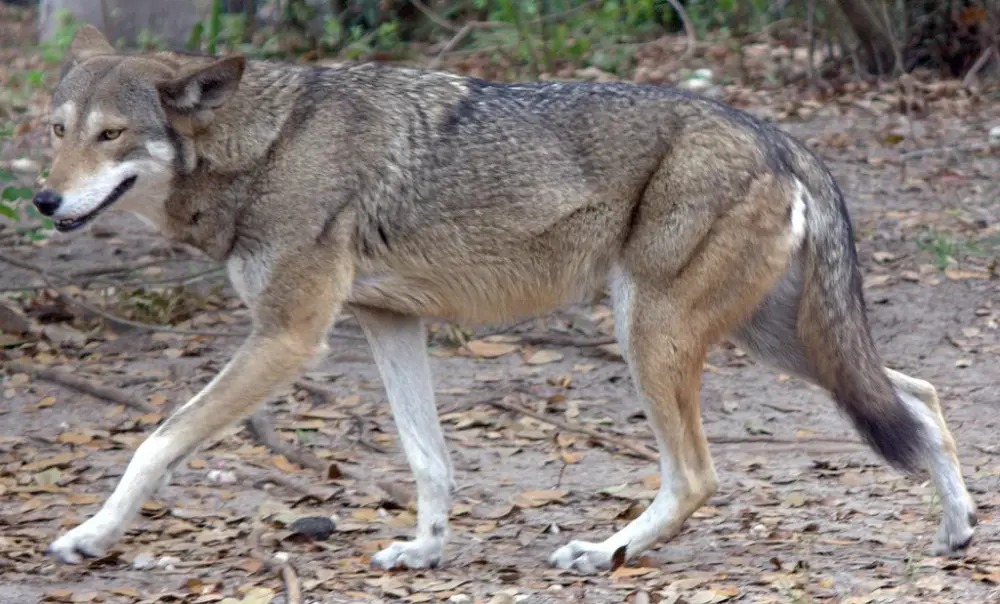
- Red wolf: Zoos hold most of the world's red wolves while the wild population in North Carolina remains very small.
The bigger picture
An insurance population is a form of ex situ conservation. It's a safety net, not a solution on its own. The goal is always a secure future in the wild. Read more about how zoos help conservation.
Examples
Common questions
What is an assurance population?
Assurance population is another name for an insurance population: a group of a threatened species kept in human care so the species survives even if the wild population is lost. The term 'assurance colony' is common for amphibians.
Why do zoos keep insurance populations?
Some threats, like a new disease or an invasive predator, can wipe out wild animals faster than the threat can be stopped. An insurance population keeps the species alive in the meantime and preserves its genetic diversity for future releases.
What is an example of an insurance population?
The Panamanian golden frog is a well-known example. Frogs were collected into breeding programs in Panama and U.S. zoos before chytrid fungus reached their habitat, and the species may now survive only in those assurance colonies.
Related terms
- Ex situ conservationEx situ conservation means protecting a species outside its natural habitat, for example by breeding it in zoos, aquariums or botanical gardens, or by storing seeds and frozen cells. In situ conservation is the opposite: protecting species where they live in the wild.
- Species Survival Plan (SSP)A Species Survival Plan (SSP) is a cooperative breeding program run by the Association of Zoos and Aquariums (AZA). It manages one species across many zoos and aquariums as a single population, recommending which animals breed and which move so the population stays healthy and genetically diverse.
- ReintroductionReintroduction is the deliberate release of animals into part of their native range where the species has disappeared, with the goal of establishing a healthy, self-sustaining wild population. Released animals can come from zoos, breeding centers or other wild populations.
- StudbookA studbook is the official record of every animal in a managed zoo population, tracking each one's parents, birth, moves between institutions and death. Population managers use it to plan breeding that keeps the population healthy and genetically diverse.
- Extinct in the WildExtinct in the Wild (EW) is the IUCN Red List category for species that survive only in human care, in cultivation, or as a naturalized population well outside their historic range. It is the last category before Extinct.
Sources
- IUCN SSC Guidelines on the Use of Ex Situ Management for Species Conservation, Version 2.0
- Panamanian golden frog (Wikipedia)
- Amphibian Ark (Wikipedia)
Last reviewed
Get the Feather & Fang newsletter
Zoo news, animal features and what's new in the directory. Occasional, never spammy.