
Zoo Knoxville
Knoxville, TN
- Admission
- $26.95
- Size
- 53 acres
- Animals
- 1,500
- Opened
- 1971
- Accreditation
- AZA
Association of Zoos and Aquariums
Everything below is directory information drawn from public sources and the zoo's own site.
Animals at Zoo Knoxville
26 of the ~200 species this zoo listsThis is a partial list — we only show species we've confirmed against the zoo's own pages, and their full collection is considerably larger.
Mammals22
 Sunuwargr · CC BY-SA 4.0
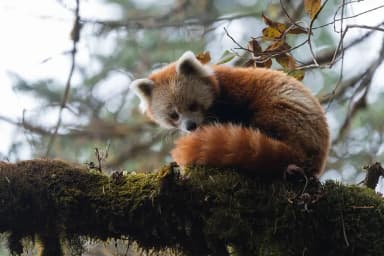
Red panda
 LaggedOnUser · CC BY-SA 2.0
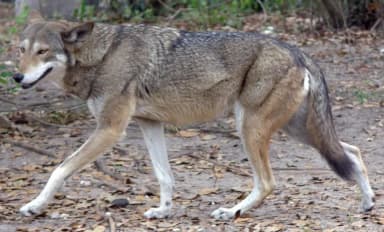
Red Wolf
 Dick Culbert from Gibsons, B.C., Canada · CC BY 2.0
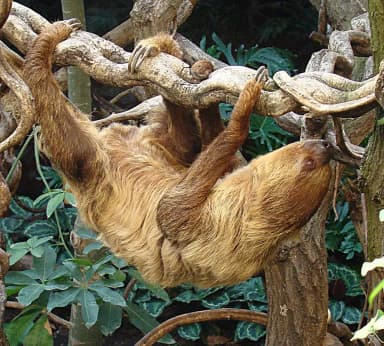
Linnaeus's Two-toed Sloth
 Thomas Fuhrmann · CC BY-SA 4.0
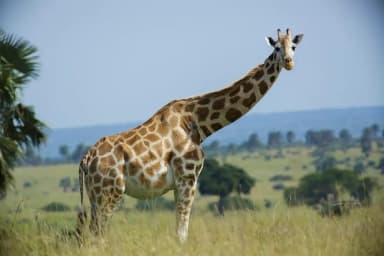
Giraffe
 User:MatthiasKabel · CC BY 2.5
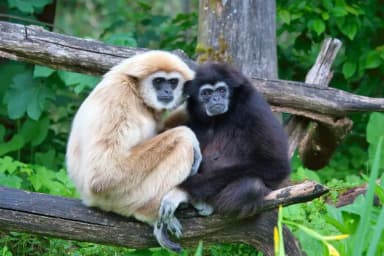
White-handed Gibbon
 Bernard Landgraf · CC BY-SA 3.0
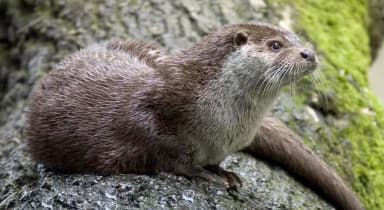
Otter
 AfricanConservation · CC BY-SA 4.0
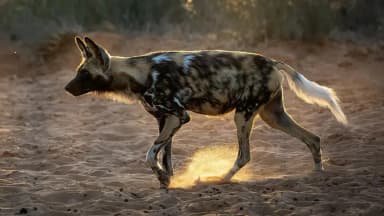
African Wild Dog
 Yathin S Krishnappa · CC BY-SA 3.0
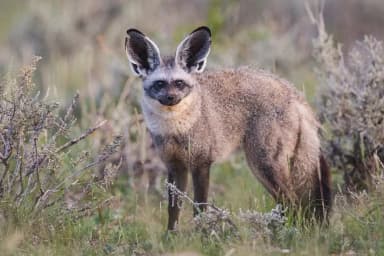
Bat-eared Fox
 Giles Laurent · CC BY-SA 4.0
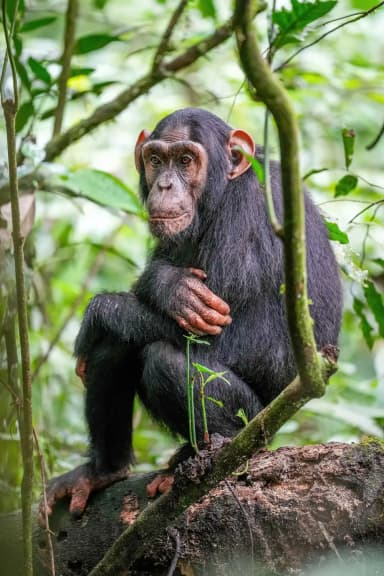
Chimpanzee
 Giles Laurent · CC BY-SA 4.0
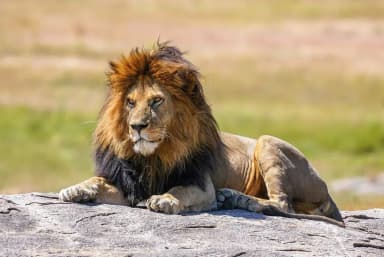
Lion
 Charles J. Sharp · CC BY-SA 4.0
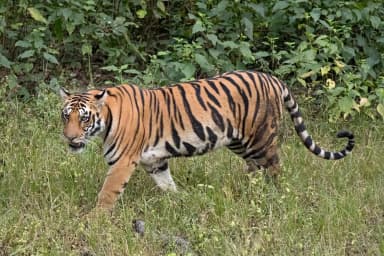
Tiger
 Manuel González Olaechea y Franco · CC BY 3.0
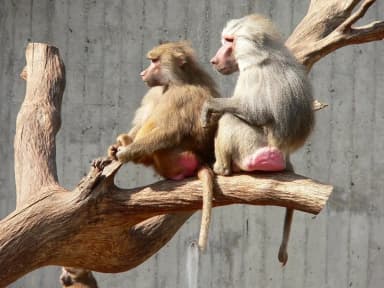
Hamadryas Baboon
 Rhododendrites · CC BY-SA 4.0
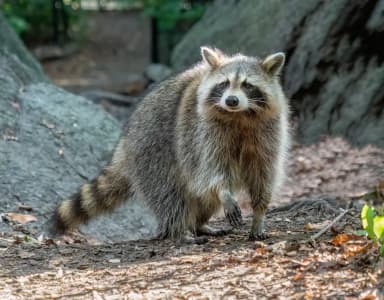
Raccoon
 Giles Laurent · CC BY-SA 4.0
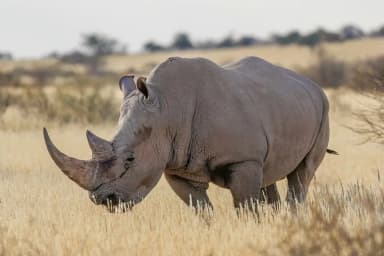
Rhinoceros
 kallerna · CC BY-SA 4.0
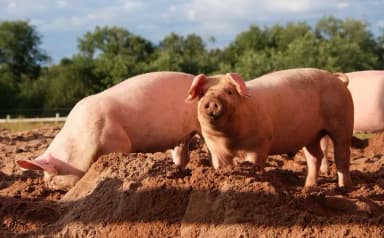
Guinea Hog
 Charles J. Sharp · CC BY-SA 4.0
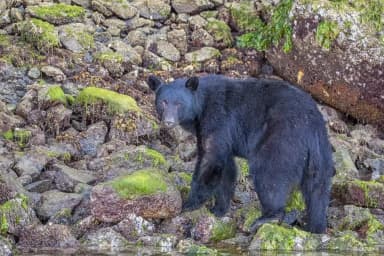
American Black Bear
Feathers & Fangs from visitors
What people who've been to Zoo Knoxville say
A Feather is something this zoo does well; a Fang is something it gets wrong. Left by people who've been, and read by us before they appear.
Loading…
About Zoo Knoxville
Zoo Knoxville is a 53-acre, AZA-accredited zoo located just east of downtown Knoxville, Tennessee, near exit 392 off Interstate 40. Formerly known as the Knoxville Zoo or Knoxville Zoological Gardens, it was renamed in 2016 as part of a broader rebranding campaign. The zoo is home to between 800 and 1,500 animals representing about 200 species, and its own website lists at least 26 species by name. It grew out of a Depression-era children's park and was formally founded as the modern Knoxville Zoo in 1971.
The zoo is organized into two broad halves, East Zoo and West Zoo, each built primarily around large, naturalistic outdoor habitats supplemented by smaller indoor exhibits. Zoo Knoxville is internationally recognized for two conservation distinctions: it bred the first two African elephants born in the Western Hemisphere, and it has bred more endangered red pandas than any other zoo in the world, earning itself the nickname "Red Panda Capital of the World." It also plays a leadership role in tortoise breeding and conservation.
History
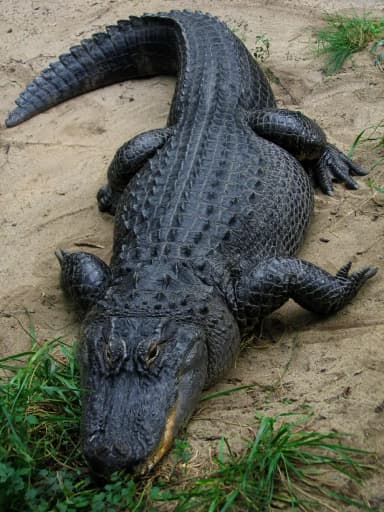
Zoo Knoxville's roots go back to 1923, when a local newspaper launched a Birthday Fund to build a park for underprivileged children. Progress was slow, but the Birthday Park opened in 1935 with help from the city and the New Deal, featuring a stone shelter, a small playground, and a wading pool in Chilhowee Park; funding troubles eventually left it neglected, and it closed in 1946. In 1948, the Knoxville News Sentinel used leftover Birthday Fund money, plus additional city support, to revive the site as the Birthday Park Zoo. It reopened in 1951 as the Municipal Zoo, with an American alligator named "Al" as its first attraction and about 4,000 visitors on opening day.
In 1963, the Ringling Bros. and Barnum & Bailey Circus donated a troublesome seven-ton bull African elephant named "Louie," or "Old Diamond," who tore up his early enclosures even as he drew public interest. Modernization plans stalled repeatedly through the 1960s until the Knoxville Journal ran a "Save Old Diamond" campaign; Dr. Bill Patterson helped found the Appalachian Zoological Society to oversee an educational zoo, and television executive Guy Lincoln Smith III personally raised a lion cub until proper facilities could be built. Together these efforts led to the modern Knoxville Zoo's founding in 1971, with Smith serving as its first director until his death in 1987. Old Diamond went on to sire two daughters in 1978, the first two African elephants born in the Western Hemisphere, cementing a conservation legacy the zoo has built on with red pandas and spider tortoises ever since. A famous outreach ambassador, an African grey parrot named Einstein, later became known nationally for recreating more than 300 sounds and words on television.
Exhibits and habitats
Black Bear Falls, the first habitat inside the entrance, houses several American black bears native to the nearby Great Smoky Mountains, with multiple viewing areas and a small cave where children can learn about hibernation and diet. Continuing into the East Zoo, the Boyd Family Asian Trek and Red Panda Village anchors the zoo's signature conservation program; expanded and revitalized in 2017, it added habitats for Malayan tigers, white-handed gibbons, and silvered leaf langurs. The Clayton Family Kids Cove, at the eastern end, offers a carousel, playground, sandbox, and petting zoo, alongside smaller exhibits for North American beavers and budgies; the surrounding perimeter is being revitalized as part of the 2016 rebranding.
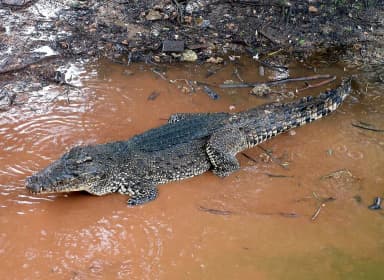
The Clayton Family Amphibian and Reptile Conservation Campus, known as the ARC, opened in spring 2021 near Black Bear Falls, replacing the zoo's outdated former reptile houses with dozens of indoor naturalistic habitats, including a Cuban crocodile and a two-toed sloth. Its second phase, the Clayton Otter Creek exhibit, opened in March 2022 with a revitalized habitat for the zoo's North American river otters. The Pilot Flying J Wee Play Adventure, situated between the ARC and Grasslands Africa, combines an indoor playground with smaller herpetology exhibits, most notably a Komodo dragon, alongside the zoo's Aldabra giant tortoise; an aviary and an immersive boardwalk called the Ravine opened nearby in 2025.
In West Zoo, Grasslands Africa evokes an African savanna, where the Williams Family Giraffe Encounter lets guests feed reticulated giraffes and the Valley of the Kings houses lions and Hamadryas baboons alongside common ostriches, southern ground hornbills, bat-eared foxes, and African wild dogs. The former Stokely African Elephant Preserve housed three African elephants until the zoo retired them to The Elephant Sanctuary in Tennessee in late 2022; the habitat was then converted for a southern white rhino breeding program, and a new reserve featuring two male rhinos, Mylo and Ranger, opened on May 23, 2025, with two more males added that summer. The remainder of West Zoo centers on a bamboo forest housing families of western lowland gorillas and chimpanzees in Gorilla Valley and Chimp Ridge.
Animal highlights
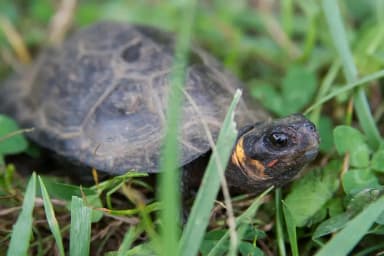
Zoo Knoxville is home to between 800 and 1,500 animals representing about 200 species, with at least 26 species named on its website, including African wild dogs, Malayan tigers, western lowland gorillas, chimpanzees, red pandas, red wolves, southern white rhinoceroses, and white-handed gibbons. Its red panda program is the largest of its kind in the world, with more than 110 births recorded since the zoo received its first pair, Buster and Bernice, in 1977. Other notable residents include Cuban crocodiles Miguel and Rose, Malayan tigers Tahan and Batari, gibbons Georgie and Malay, and the zoo's growing herd of southern white rhinos. The zoo's reptile and amphibian collection at the ARC includes Tennessee's own bog turtle, one of the state's smallest and most threatened turtle species.
Conservation and programs
Zoo Knoxville has bred more captive red pandas than any other zoo in the world, having recorded more than 110 cub births since 1977; only the Rotterdam Zoo in the Netherlands has had more worldwide historically. The zoo coordinates the North American Red Panda Species Survival Plan and is a supporting member of the Red Panda SAFE program, partnering with the in-situ Red Panda Network. It has also held a 34-year role in the Red Wolf SSP and Red Wolf Recovery Program as a holding and breeding institution, caring for more than 40 wolves and welcoming 23 pups. Other programs include leadership in the Radiated Tortoise SAFE Program with the Turtle Survival Alliance, work with federal and state agencies to breed and reintroduce Bog turtles, a steering committee role in the Cuban Crocodile SAFE program, and the Tennessee Butterfly Monitoring Network, which tracks pollinator populations and educates the public on monarch conservation. The zoo is also a member of the AZA's Wildlife Trafficking Alliance, working with more than 80 zoos, aquariums, and companies to combat illegal wildlife trade.
Planning your visit
Zoo Knoxville's hours are listed as 9 a.m. to 4 p.m. on its website, with last tickets sold one hour before closing; confirm current hours, since they can vary seasonally. A $2 per-ticket service fee applies to in-person purchases, and online purchase is recommended to save time and money; discounted rates are available for groups of 15 or more. Parking is available in the zoo's upper and lower lots, including handicap and RV parking, and can be added to an online ticket purchase.
The zoo is a KultureCity Certified Sensory Inclusive Venue, with Sensory Bags available at admissions, designated Quiet Zones at the Barn Loft and Painted Dog viewing area, and Headphone Zones at Kids Cove, Wee Play, and Safari Splash. Strollers, wheelchairs, and electric scooters are available to rent on a first-come, first-served basis, though scooters are not available in the rain. Dining options include Beastro's Cuisine, serving Asian-inspired dishes and American classics, plus a separate southern-style restaurant, the Graze food truck, Al's Rockin' Cantina, and Chimney Tops Provisions, offering everything from tacos to barbecue and pretzels. As always, verify current admission prices, hours, and parking details on Zoo Knoxville's official website before visiting.
What we haven't confirmed
Everything above came from public sources. These specifics we haven't stood behind yet:
- Current ticket prices
- Annual attendance
- Typical time needed for a visit
- Phone number for general inquiries
Zoo Knoxville compared with nearby zoos
How Zoo Knoxville lines up against the closest zoos we have details for — useful if you're deciding between them for the same day out.
| Zoo | Distance | Admission | Hours | Size | AZA |
|---|---|---|---|---|---|
| Zoo KnoxvilleThis zooKnoxville, TN | — | $26.95 | 9AM – 4PM | 53 acres | Yes |
| Parrot Mountain and Garden of EdenPigeon Forge, TN | 24 mi | $29.95 | Hours not published on the homepage; 2026 season opened Feb 28. | — | No |
| Chattanooga Zoo at Warner ParkChattanooga, TN | 103 mi | $26.95 | 9am – 5pm | 13 acres | Yes |
| Greenville ZooGreenville, SC | 116 mi | $15 | Spring/Summer (Mar 7 – Nov 2): daily 9:00 AM – 5:00 PM. Fall/Winter (Nov 3 – Mar 6): daily 10:00 AM – 5:00 PM. Last admission 4:00 PM. Closed Thanksgiving, Christmas Eve, Christmas Day, New Year's Day; annual maintenance closure Feb 2 – Feb 13. | — | Yes |
Distances are straight-line. A dash means we haven't confirmed that detail yet, not that the zoo lacks it.
AZAThe Association of Zoos and Aquariums. Accredited members have passed an independent inspection of animal care and welfare, safety, conservation and education, repeated every five years. Many smaller facilities never apply, so “not accredited” isn't a verdict on its own. What accreditation means · How we check this
Zoo Knoxville: common questions
Is Zoo Knoxville AZA accredited?
Yes, Zoo Knoxville is accredited by the Association of Zoos and Aquariums.
How big is Zoo Knoxville, and how many animals does it have?
The zoo covers 53 acres and houses between 800 and 1,500 animals representing about 200 species.
When did Zoo Knoxville open?
The modern zoo was founded in 1971, though the site's history as a park dates to a 1935 children's park.
What is Zoo Knoxville best known for?
Its red panda breeding program is the largest in the world, with more than 110 cubs born since 1977, and it bred the first African elephants born in the Western Hemisphere in 1978.
Is there parking available?
Yes, upper and lower lots offer general, handicap, and RV parking.
Is the zoo accessible for guests with sensory needs?
Yes, it is a KultureCity Certified Sensory Inclusive Venue with Sensory Bags, Quiet Zones, and Headphone Zones.
Is there food inside the zoo?
Yes, multiple dining spots are available, including Beastro's Cuisine and Chimney Tops Provisions.
Something wrong here? Tell us — we correct in place, with a dated note.