
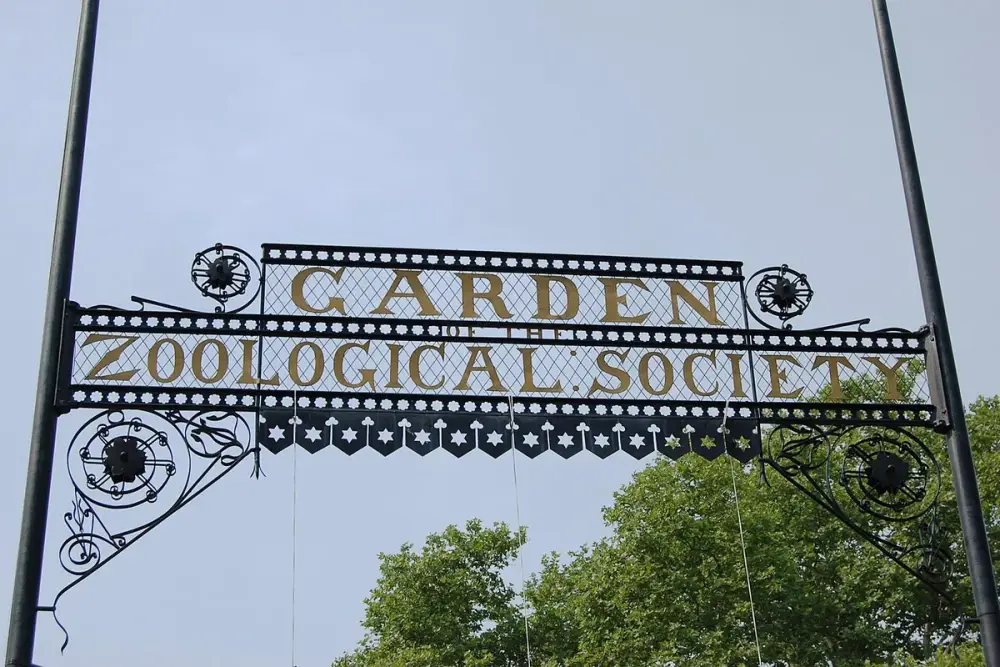
- Admission
- $25–$32
- Size
- 42 acres
- Animals
- 1,000
- Opened
- 1874
- Accreditation
- AZA
set by date and demand
Association of Zoos and Aquariums
Everything below is directory information drawn from public sources and the zoo's own site.
Animals at Philadelphia Zoo
24 confirmedMammals16
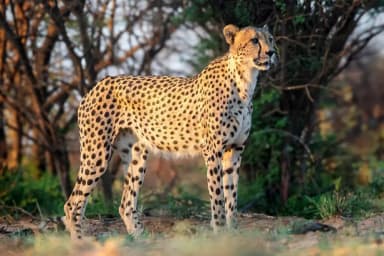 AfricanConservation · CC BY-SA 4.0
Cheetah
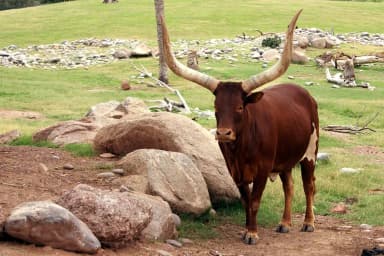 Ezhuttukari · CC BY-SA 3.0
Watusi Cattle
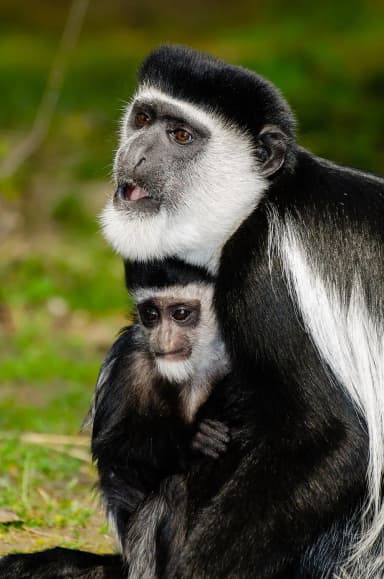 Tuxyso · CC BY-SA 3.0
Black-and-white Colobus
 Relative of Brandt Luke Zorn, most likely his father. · CC BY-SA 2.0
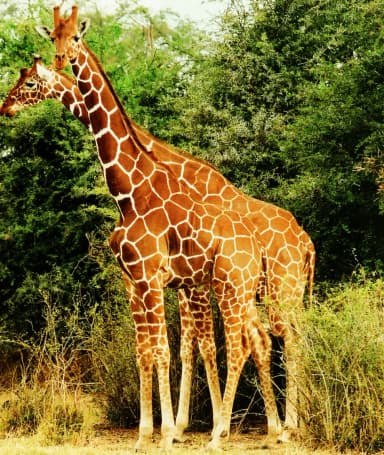
Reticulated giraffe
 Muhammad Mahdi Karim · CC BY-SA 4.0
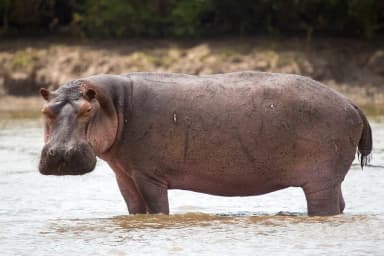
Hippopotamus
 Daderot · CC0
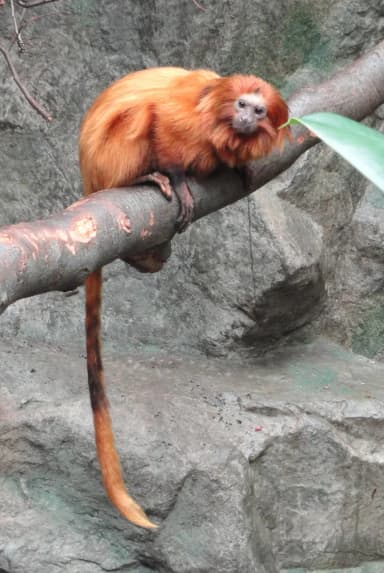
Golden Lion Tamarin
 Asiir · Public domain
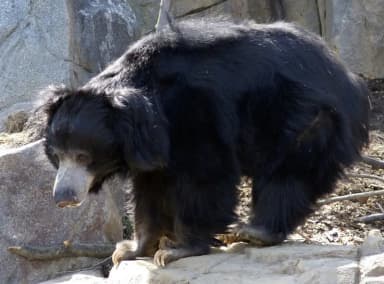
Sloth Bear
 Matthew Wakefield · CC BY-SA 2.0
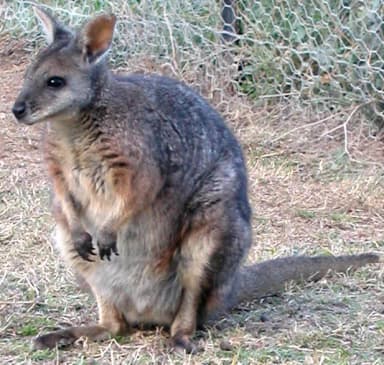
Tammar Wallaby
 Charles J. Sharp · CC BY-SA 4.0
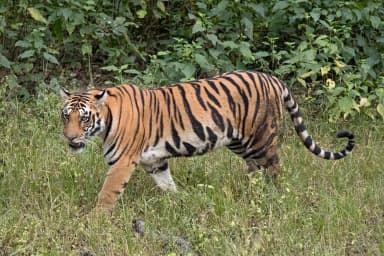
Amur tiger
 Irbis1983 · Public domain
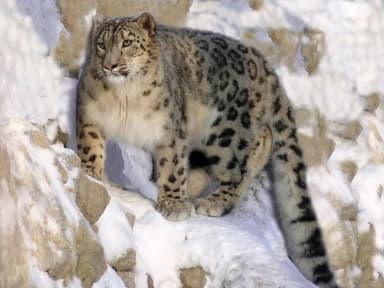
Snow Leopard
 Vauxford · CC BY-SA 4.0
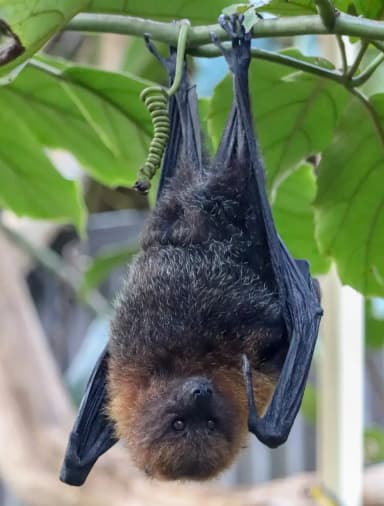
Rodrigues Flying Fox
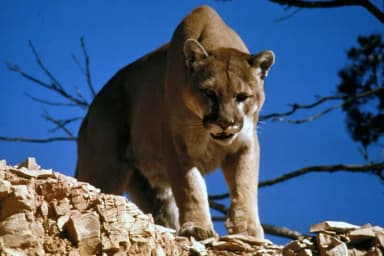 National Park Service · Public domain
Cougar
 Wilfredor · CC0
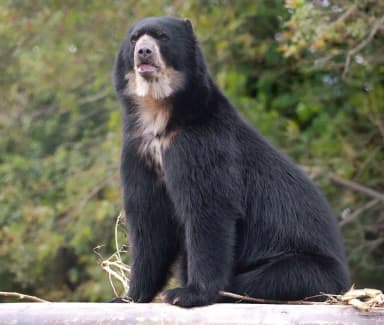
Andean Bear
 KKPCW · CC BY-SA 4.0
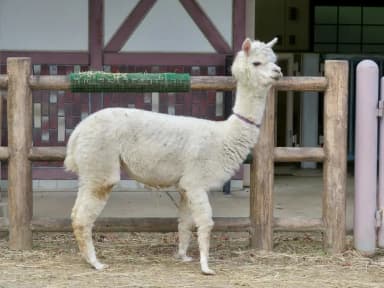
Alpaca
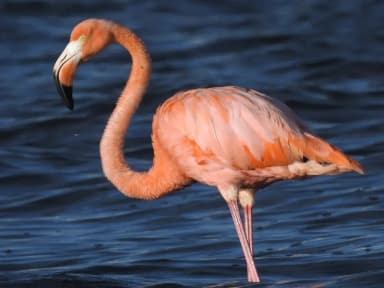
Birds4

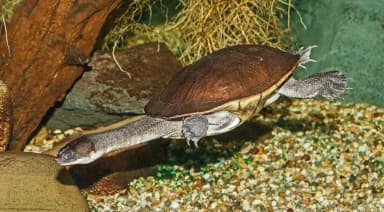
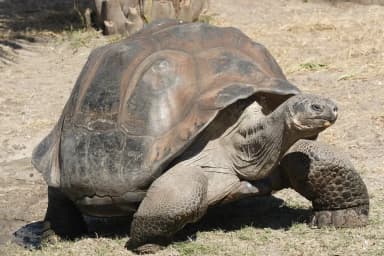
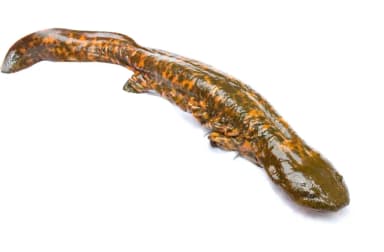
Reptiles2
Feathers & Fangs from visitors
What people who've been to Philadelphia Zoo say
A Feather is something this zoo does well; a Fang is something it gets wrong. Left by people who've been, and read by us before they appear.
Loading…
About Philadelphia Zoo
Philadelphia Zoo sits on 42 acres at 3400 West Girard Avenue in Philadelphia, and it holds the distinction of being America's first zoo, chartered on March 21, 1859, though its opening was delayed 15 years by the Civil War before its gates finally opened on July 1, 1874. It is accredited by the Association of Zoos and Aquariums and describes its current collection as more than 1,900 rare and endangered animals.
The zoo has built its identity around being "a zoo of firsts": it recorded the first successful orangutan and chimpanzee births in the United States, built the first on-site animal care center of any zoo in the world, developed the first specially formulated foods for zoo animals, and opened the first Children's Zoo in the country. That pattern of innovation continues with Zoo360, a first-in-the-world network of see-through trails that let animals such as big cats, primates, and monkeys travel above pathways and between habitats rather than staying confined to a single yard.
History
Philadelphia Zoo's charter was signed on March 21, 1859, but the outbreak of the Civil War delayed construction, and the zoo did not open to the public until July 1, 1874. In the years since, the zoo has repeatedly been first to accomplish things no other American zoo had: the first successful U.S. births of orangutans and chimpanzees, the first on-site zoo animal care center in the world, the first specially formulated foods designed for zoo animals, and the country's first Children's Zoo.
More recently, the zoo introduced Zoo360, its network of elevated trails connecting habitats and crossing over visitor pathways, giving animals more room to roam and explore than traditional enclosures allow. The zoo has continued to add new attractions in recent years, including Francis J. Carey Bear Country, a renovated bear habitat with an accompanying Zoo360 trail, and Flamingo Cove, a new aviary next to the McNeil Avian Center housing Caribbean and African greater flamingos.
Exhibits and habitats
Zoo360 remains the zoo's signature feature, an elevated network of see-through trails that carries big cats, primates, and monkeys across the grounds above visitor pathways, connecting habitats that would otherwise be separate. Francis J. Carey Bear Country, newly reopened, gives the zoo's bears an upgraded habitat along with its own Zoo360 trail extension.
The McNeil Avian Center includes an active rainforest walkthrough where visitors can see free-flight birds up close, and Flamingo Cove, a new aviary next to it, is dedicated to Caribbean and African greater flamingos. Wings of the World is a separate free-flight exhibit for a variety of colorful bird species. The PECO Primate Reserve includes a walkthrough exhibit that lets visitors share a space with the zoo's ring-tailed and mongoose lemurs. KidZooU includes a barnyard area where visitors can touch and brush ambassador goats and sheep under staff guidance, alongside free-range chickens. A giraffe feeding experience lets visitors feed the zoo's giraffe trio directly.
Beyond the animal habitats, the zoo has added several attractions in recent years: the Philly Zoo Ferris Wheel offers views over the city skyline; "ZOOtopiaries: Nature's Sculptures," created with designers at Santoline Mosaïculture, places mosaic topiary animals including a bald eagle, a Galapagos tortoise, and a mother-and-baby bear across the grounds; Wild Explorer Virtual Reality combines a motion seat and VR headset for an immersive wildlife experience; and the SEPTA PZ Express Train and Amazon Rainforest Carousel offer rides through the park.
Animal highlights
Philadelphia Zoo lists at least 24 species on its website and describes its overall collection as more than 1,900 rare and endangered animals. Species named by the zoo include the western lowland gorilla, snow leopard, Amur tiger, cheetah, hippopotamus, southern white rhinoceros, reticulated giraffe, Andean bear, sloth bear, and puma, alongside primates such as the golden lion tamarin and black-and-white colobus. Its bird and reptile holdings include the bald eagle, Caribbean flamingo, Magellanic penguin, Galapagos tortoise, and the Rio Pescado stubfoot toad, a species highlighted among its more specialized and endangered residents. Domestic species appear too, including alpacas and Ankole-Watusi cattle in the zoo's contact areas.
Conservation and programs
Philadelphia Zoo frames its conservation mission around three roles: leading and supporting conservation projects in the field, mobilizing its visitor base, and serving as what it calls an "ark" for species that are endangered or already extinct in the wild. Its longest-running education initiative is the Albert M. Greenfield UNLESS Contest, an award-winning, year-long, project-based program that has engaged thousands of K-12 students in creating real-world solutions to environmental issues. Over roughly a decade, the contest has led to hundreds of trees planted in Brazil, thousands of signatures gathered in support of a wildlife bridge, and funds raised for the zoo's field partners.
Planning your visit
Philadelphia Zoo is open daily from 9:30 a.m. to 5 p.m., with last entry at 4 p.m., as listed on the zoo's website. General admission pricing was not listed in the sources available for this page, though group rates for parties of 15 or more run from $15 per student on weekdays during the school year up to $20 per scout, plus optional add-ons such as the Ferris Wheel for $6 more per guest; visitors should check the zoo's ticketing page for current individual and family pricing.
Accessible parking is available at the Tiger Parking Lot and the Zoo Garage, and the zoo publishes sensory, service-animal, and mobility-friendly maps for visitors who want to plan routes in advance. Wheelchairs and electric scooters are available on a first-come, first-served basis (the electric scooter rental costs $30, has a 325-pound weight limit, and requires riders to be 18 or older), and strollers and wagons can also be rented subject to availability; some buildings and exhibit areas are not stroller accessible. The zoo has been a KultureCity sensory-inclusive certified venue since 2025, offering free sensory bags with noise-reducing headphones, sunglasses, fidget toys, and non-verbal cue cards, along with posted quiet zones and headphone zones. Guests with a PA or DE ACCESS card receive admission for up to four people at $2 each. On-site staff carry radios with translation capabilities across 34 languages, and the zoo's digital guide through Bloomberg Connects includes screen-reader support, image zoom, adjustable font sizes, and closed captions.
Because ticket prices, hours, and available attractions change, visitors should confirm current details on the official Philadelphia Zoo website before their trip.
What we haven't confirmed
Everything above came from public sources. These specifics we haven't stood behind yet:
- General adult and child admission prices
- Total published species count
- Annual visitor attendance
- Standard parking cost
- Typical time needed for a visit
Philadelphia Zoo compared with nearby zoos
How Philadelphia Zoo lines up against the closest zoos we have details for — useful if you're deciding between them for the same day out.
| Zoo | Distance | Admission | Hours | Size | AZA |
|---|---|---|---|---|---|
| Philadelphia ZooThis zooPhiladelphia, PA | — | $25–$32 | 9:30 AM – 5 PM | 42 acres | Yes |
| Elmwood Park ZooNorristown, PA | 13 mi | $18.95–$19.95 | 10:00 AM – 4:00 PM | — | Yes |
| Brandywine ZooWilmington, DE | 24 mi | $5–$9 | 10am – 4pm | 4.7 acres | Yes |
| Cohanzick ZooBridgeton, NJ | 37 mi | Free | Open every day. Fall & Winter: 9:00 AM – 4:00 PM; Spring & Summer: 9:00 AM – 5:00 PM. Closed Christmas Day; select holidays and inclement weather. | — | No |
Distances are straight-line. A dash means we haven't confirmed that detail yet, not that the zoo lacks it.
AZAThe Association of Zoos and Aquariums. Accredited members have passed an independent inspection of animal care and welfare, safety, conservation and education, repeated every five years. Many smaller facilities never apply, so “not accredited” isn't a verdict on its own. What accreditation means · How we check this
Philadelphia Zoo: common questions
Is Philadelphia Zoo AZA accredited?
Yes, it is accredited by the Association of Zoos and Aquariums.
How big is Philadelphia Zoo?
The zoo covers 42 acres in Philadelphia.
When did the zoo open?
Its charter was signed in 1859, but the Civil War delayed construction; it opened to the public on July 1, 1874, making it America's first zoo.
How many animals does the zoo have?
The zoo describes its collection as more than 1,900 rare and endangered animals, with at least 24 species named on its website.
Is the zoo stroller and wheelchair accessible?
Mostly. Wheelchairs, electric scooters, and strollers are available to rent, though some buildings and exhibit areas are not stroller accessible.
Is there food inside the zoo?
Guests can bring their own food and coolers for special dietary needs, and the zoo also offers on-site dining and concessions, though some options may not always be available.
Is there parking?
Yes, including designated accessible spaces at the Tiger Parking Lot and the Zoo Garage.
Something wrong here? Tell us — we correct in place, with a dated note.