
- Admission
- $10.95
- Size
- 11 acres
- Opened
- 1968
- Accreditation
- AZA
Association of Zoos and Aquariums
Everything below is directory information drawn from public sources and the zoo's own site.
Animals at Queens Zoo
17 of the ~75 species this zoo listsThis is a partial list — we only show species we've confirmed against the zoo's own pages, and their full collection is considerably larger.
Mammals10
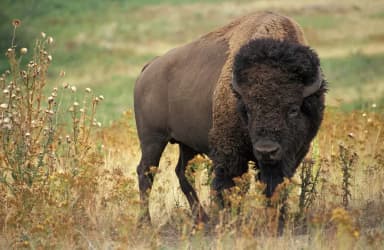 Jack Dykinga · Public domain
American Bison
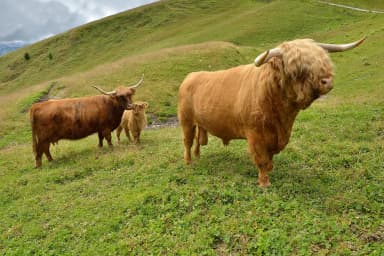 Wolfgang Moroder · CC BY-SA 3.0
Highland Cattle
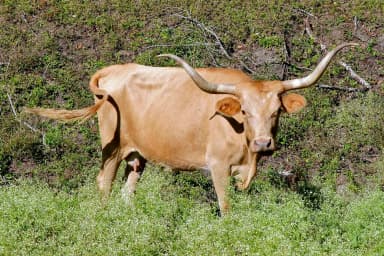 Ed Schipul from Houston, TX, US · CC BY-SA 2.0
Texas Longhorn
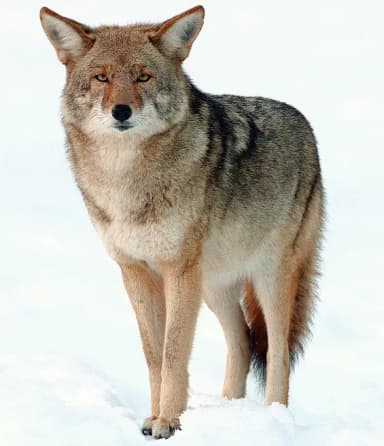 Yathin S Krishnappa · CC BY-SA 3.0
Coyote
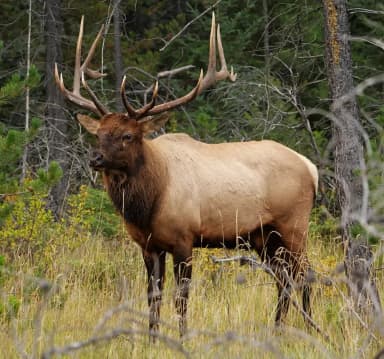 Membeth · CC0
Elk
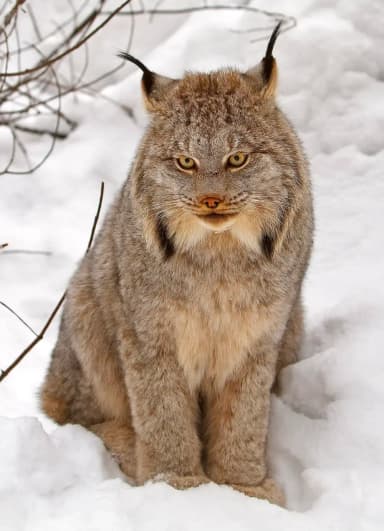 Michael Zahra · CC BY-SA 3.0
Canada Lynx
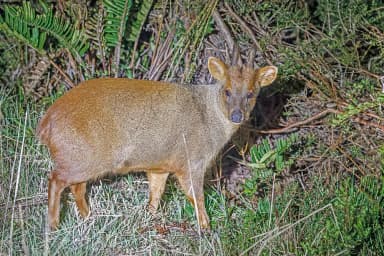 Charles J. Sharp · CC BY-SA 4.0
Southern Pudu
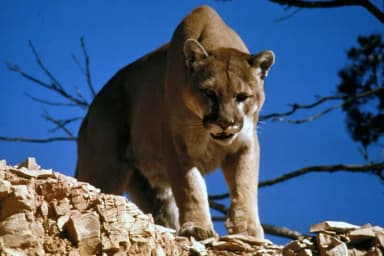 National Park Service · Public domain
Cougar
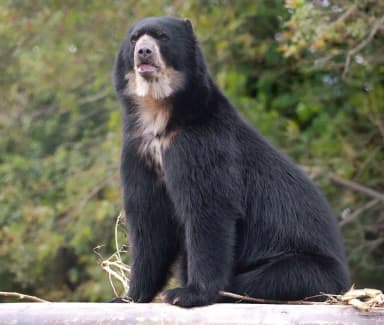 Wilfredor · CC0
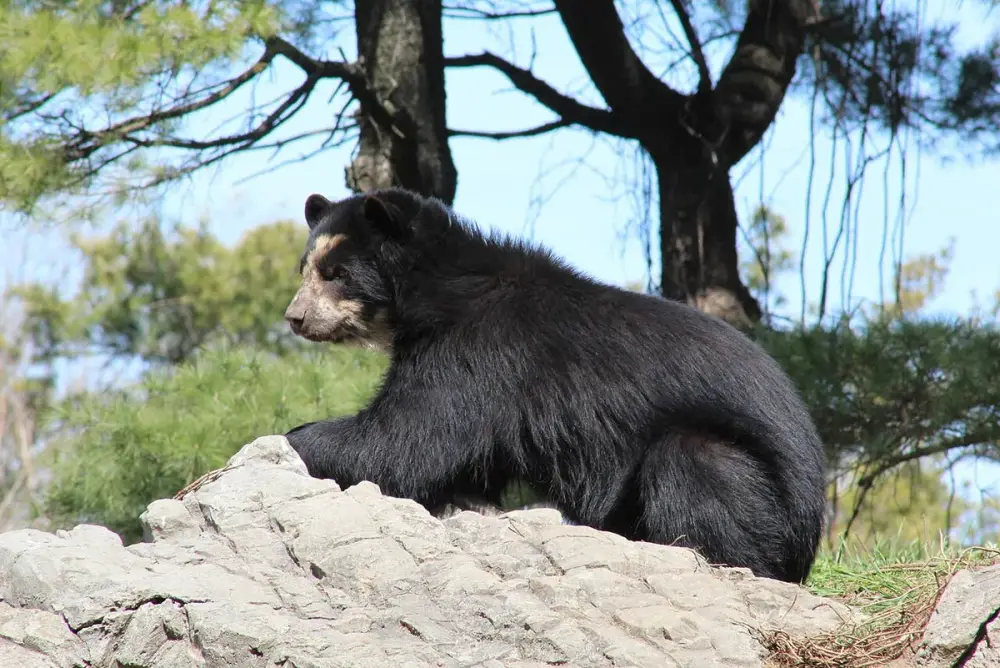
Andean Bear
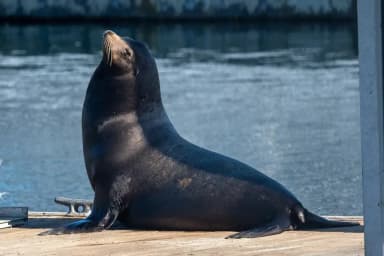 (c) Jonathan Eisen, some rights reserved (CC BY) · CC BY 4.0
California Sea Lion
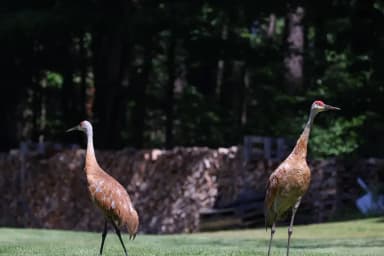
Feathers & Fangs from visitors
What people who've been to Queens Zoo say
A Feather is something this zoo does well; a Fang is something it gets wrong. Left by people who've been, and read by us before they appear.
Loading…
About Queens Zoo
Queens Zoo covers 11 acres inside Flushing Meadows-Corona Park in Queens, New York City, at 53-51 111th Street, near the Grand Central Parkway. It is managed by the Wildlife Conservation Society (WCS) and accredited by the Association of Zoos and Aquariums. The zoo was originally called the Flushing Meadows Zoo, and later the Queens Wildlife Center, before settling on its current name. Built alongside the main zoo is a children's zoo, originally known as the Heckscher Children's Farm.
The zoo is organized into two halves separated by a park path: a "wild side," where animals roam in open, landscaped habitats, and a "domestic side," where visitors can interact with domesticated farm animals. Unlike many contemporary zoos, Queens Zoo largely avoids cages, relying instead on dry moats and low fences, and it focuses mainly on species native to the Americas. The zoo is home to more than 75 species by its own published count. Its aviary, a large geodesic dome walk-through, was originally built for the 1964 New York World's Fair.
History
New York City parks commissioner Robert Moses first proposed a zoo for Flushing Meadows-Corona Park after the 1964 World's Fair, with plans announced that year, though construction did not begin until August 20, 1966. The Heckscher Children's Farm, the zoo's first section, opened February 28, 1968, and the rest of the Flushing Meadows Zoo opened October 26, 1968. The zoo struggled for years afterward with power outages, understaffing, and neglect; it recorded around 100 blackouts in its first three years alone, and by the late 1970s it had dwindled to just five exhibits.
The New York City Department of Parks and Recreation contracted the Wildlife Conservation Society to operate the zoo in 1988. It closed for a multi-year renovation and reopened on June 25, 1992, newly renamed the Queens Zoo, having previously been rebranded briefly as the Queens Wildlife Center before that name caused visitor confusion; it was officially renamed the Queens Zoo again in May 2001. In 2003, city budget cuts nearly forced the zoo's closure alongside the Prospect Park Zoo, but public petitions and a partial funding restoration kept it open, though staff were cut and admission fees doubled. A parrot exhibit opened in 2004, though a long-planned jaguar habitat remained unbuilt as of 2010 for lack of funds. The zoo closed temporarily in March 2020 due to the COVID-19 pandemic and reopened that July with timed-ticket reservations and one-way paths.
Exhibits and habitats
The wild side occupies the eastern portion of the site, an oval-shaped plot of about 11 acres following a 1990s renovation that reduced it from its original 18 acres. Rather than cages, most animals are kept behind dry moats and low fences in habitats designed to resemble natural terrain, including artificially warmed rocks in the mountain lion exhibit and sprinkler-equipped tree stumps in the bison range. The renovation added exhibits for bears, bison, bobcats, coyotes, mountain lions, prairie dogs, Roosevelt elk, sandhill cranes, and water birds, along with an enlarged main pond and a marsh. A sea lion pool and sea lion store sit at the wild side's eastern end, and a "graveyard" display near the winding perimeter path gives information about extinct species.
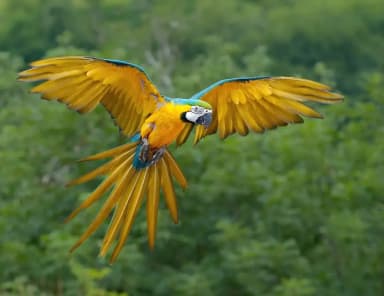
The zoo's aviary sits at the wild side's northeast corner: a geodesic dome originally designed by Thomas C. Howard for the 1964 World's Fair, 175 feet wide, that was later dismantled, stored, and reassembled inside the zoo as a walk-through bird habitat with rocks, bushes, trees, and a spiral bridge. By 2006 it held about 90 birds from 20 species. The domestic side, on the western portion of the site, is designed in the style of an American homestead and descends from the original Heckscher Children's Farm; it has historically included pigs, cows, sheep, donkeys, ponies, rabbits, and ducks, along with a barn used for educational programs.
Animal highlights
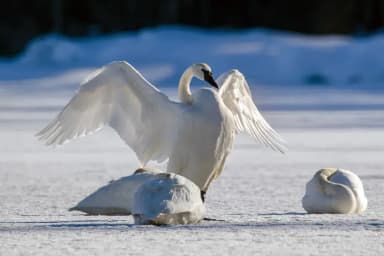
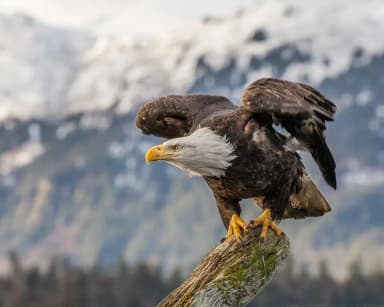
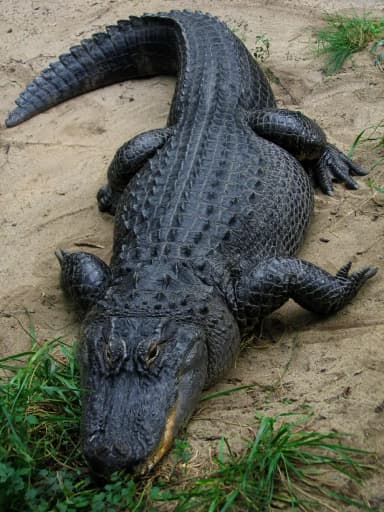
Queens Zoo's website lists more than 75 species, and the zoo has reported housing as many as 112 species, as of 2013, native to both North and South America. Animals described in the zoo's own materials include Andean bears, pumas, California sea lions, coyotes, burrowing owls, Canadian lynxes, southern pudus, thick-billed parrots, American alligators, American bison, trumpeter swans, bald eagles, barred owls, great horned owls, snowy owls, and Chacoan peccaries. The zoo also keeps Roosevelt elk, bobcats, mountain lions, prairie dogs, and sandhill cranes in wild-side habitats, alongside a walk-through aviary population of around 90 birds from 20 species.
On the domestic side, animals have historically included pigs, cows, sheep, donkeys, ponies, rabbits, and ducks, in keeping with the area's original design as a children's farm.
Conservation and programs
Queens Zoo runs several species breeding programs. It has bred Andean bears as part of a program to preserve the species since the first cub was born there in 2017, with eight born at the zoo as of 2024. It has also run breeding programs for southern pudu since 2005, pronghorn antelopes since 2008, and New England cottontail rabbits since 2015, along with a breeding program for Puerto Rican crested toads. The zoo has additionally taken in rescued and rehomed animals, including a coyote caught in Central Park, two lion cubs rescued from Montana, and five coyote pups rescued from Massachusetts. As part of a wider WCS program, nearly all of the zoo's animals take part in animal enrichment training.
Planning your visit
The source material for this page does not include current hours, ticket prices, or parking details for Queens Zoo. The zoo is located at 53-51 111th Street within Flushing Meadows-Corona Park, near the New York Hall of Science and the Terrace on the Park banquet hall, and it operates year-round. Visitors should confirm current hours, admission prices, and any accessibility accommodations directly on the zoo's official website before planning a trip.
What we haven't confirmed
Everything above came from public sources. These specifics we haven't stood behind yet:
- Hours
- Ticket prices
- Parking
- Time needed for a visit
- Phone number
- Accessibility features on-site
Queens Zoo compared with nearby zoos
How Queens Zoo lines up against the closest zoos we have details for — useful if you're deciding between them for the same day out.
| Zoo | Distance | Admission | Hours | Size | AZA |
|---|---|---|---|---|---|
| Queens ZooThis zooNew York City, NY | — | $10.95 | Apr 2 – Oct 31, 2026: Mon–Fri 10:00 AM – 5:00 PM; weekends and federal holidays 10:00 AM – 5:30 PM. Last entry 30 minutes before closing. | 11 acres | Yes |
| Central Park ZooNew York City, NY | 7 mi | $22.95 | 10:00 AM – 5:00 PM | 6.5 acres | Yes |
| Bronx ZooNew York City, NY | 7 mi | from $37.70 | 10:00 AM – 5:00 PM | 265 acres | Yes |
| Prospect Park ZooNew York City, NY | 8 mi | $10.95 | 10:00 AM – 5:00 PM | 12 acres | Yes |
Distances are straight-line. A dash means we haven't confirmed that detail yet, not that the zoo lacks it.
AZAThe Association of Zoos and Aquariums. Accredited members have passed an independent inspection of animal care and welfare, safety, conservation and education, repeated every five years. Many smaller facilities never apply, so “not accredited” isn't a verdict on its own. What accreditation means · How we check this
Queens Zoo: common questions
Is Queens Zoo AZA accredited?
Yes, it is accredited by the Association of Zoos and Aquariums.
How big is Queens Zoo?
It covers about 11 acres within Flushing Meadows-Corona Park in Queens.
When did Queens Zoo open?
Its first section, the Heckscher Children's Farm, opened in February 1968, and the rest of the zoo opened that October as the Flushing Meadows Zoo; it was renamed the Queens Zoo after a 1992 reopening.
How many species can you see at Queens Zoo?
The zoo's website lists more than 75 species, and the zoo has reported as many as 112 species in past years.
What animals can you see at Queens Zoo?
Species include Andean bears, pumas, California sea lions, American bison, Roosevelt elk, coyotes, bald eagles, and a walk-through aviary of about 90 birds.
Is Queens Zoo divided into different sections?
Yes, into a "wild side" with open, landscaped habitats and a "domestic side" with farm animals, separated by a park path.
Who manages Queens Zoo?
It is managed by the Wildlife Conservation Society, which also administers the Bronx Zoo, Central Park Zoo, and Prospect Park Zoo.
Something wrong here? Tell us — we correct in place, with a dated note.