
Santa Barbara Zoo
Santa Barbara, CA
- Admission
- $39.95
- Size
- 30 acres
- Animals
- 500
- Opened
- 1963
- Accreditation
- AZA
Association of Zoos and Aquariums
Everything below is directory information drawn from public sources and the zoo's own site.
Animals at Santa Barbara Zoo
20 confirmedMammals12
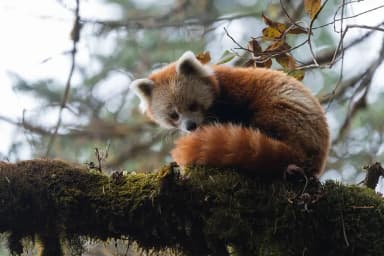 Sunuwargr · CC BY-SA 4.0
Red panda
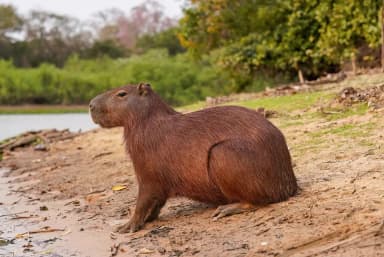 Giles Laurent · CC BY-SA 4.0
Capybara
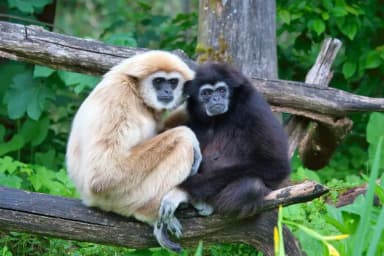 User:MatthiasKabel · CC BY 2.5
White-handed Gibbon
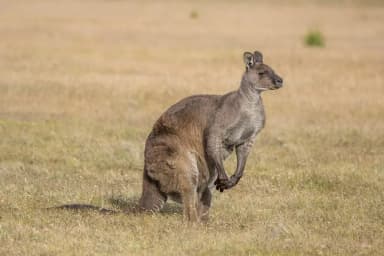 Charles J. Sharp · CC BY-SA 4.0
Western Grey Kangaroo
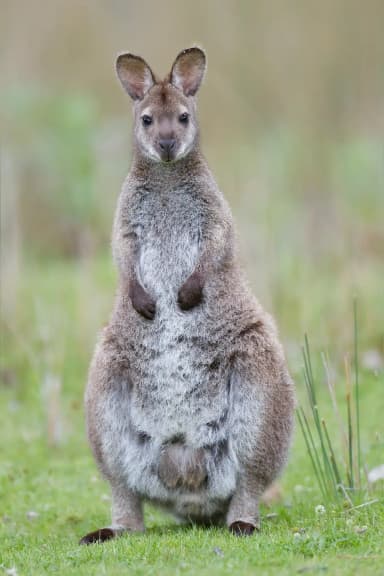 Noodle snacks ( https://www.jjharrison.com.au/)Bennett's Wallaby) · CC BY-SA 3.0
Bennett's Wallaby
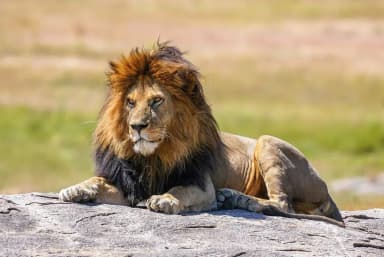 Giles Laurent · CC BY-SA 4.0
Lion
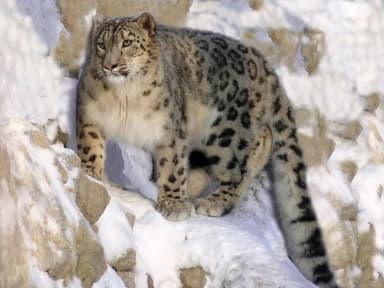 Irbis1983 · Public domain
Snow Leopard
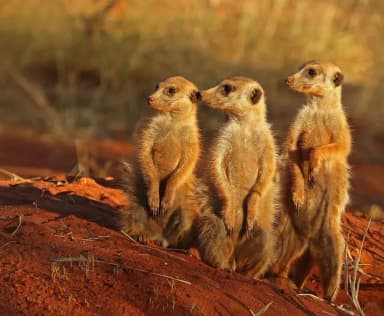 Charles J. Sharp · CC BY-SA 4.0
Meerkat
Feathers & Fangs from visitors
What people who've been to Santa Barbara Zoo say
A Feather is something this zoo does well; a Fang is something it gets wrong. Left by people who've been, and read by us before they appear.
Loading…
About Santa Barbara Zoo
Santa Barbara Zoo sits on 30 acres of botanic gardens overlooking the Pacific Ocean, the Andree Clark Bird Refuge, and the Santa Ynez Mountains. It's a private 501(c)(3) nonprofit that relies on contributions rather than tax dollars, and it opened to the public in August 1963. The zoo has been accredited by the Association of Zoos and Aquariums since 1982 — three years before accreditation became mandatory — making it the 51st AZA-accredited member; its accreditation was most recently renewed on March 22, 2026.
The zoo reports being home to 393 animals representing 109 species of mammals, amphibians, reptiles, birds, fish, and invertebrates, and elsewhere describes its collection as more than 500 animals overall. In 2025, the zoo employed 424 people across full-time, part-time, and seasonal roles, with 285 regular full- and part-time positions and an average employee tenure of 8.5 years; more than 500 volunteers, including 50 active docents, also support daily operations.
The grounds themselves have a history that predates the zoo: they were once the Child Estate, known as Vegamar, built in the 1890s by New England merchant John Beale. After passing to the Santa Barbara Foundation and then the city, the estate's mansion was demolished in 1959 and its parkland was redeveloped into what became the Santa Barbara Zoo, following a fundraising drive led by the Junior Chamber of Commerce.
History
The Vegamar estate was built starting around 1896 by John Beale, a New England tea and coffee merchant, and later passed to his widow, Lillian, after her marriage to John H. Child. Mrs. Child allowed a self-policed community of men affected by the Depression to settle on the property beginning around 1935, and when she could no longer maintain the estate, she arranged for it to pass to the Santa Barbara Foundation upon her death, on the condition that the men living there not be made homeless. The Foundation took over the deed in 1947, and Mrs. Child remained in residence until 1951; the last three residents of the shanty village were later moved into cottages on nearby public property.
In October 1953, the Foundation gave the deed to the City of Santa Barbara for use as a park. The mansion fell into disrepair and was burned down by the city fire department in July 1959. Park Superintendent Finlay A. Mackenzie proposed turning the property into a children's estate with animals, gardens, and play areas, and the Junior Chamber of Commerce launched the fundraising drive that built the "Child's Estate" — what became the Santa Barbara Zoo, which opened its doors in August 1963.
Several exhibit areas have opened since: The Forest's Edge, home to the zoo's Western lowland gorillas, opened in 1996; Cats of Africa, built on a hillside for African lions and fennec foxes, opened in 2003; the Crawford Family Penguin House, with above- and underwater viewing for its Humboldt penguin colony, opened in June 2006; and the Australian Walkabout opened in 2022. One of the zoo's most recognized animals was Gemina, a "crooked-necked" Baringo giraffe born with a straight neck at the San Diego Zoo Safari Park who developed a bend in her neck at age three; she lived a typical life at the Santa Barbara Zoo and was humanely euthanized at 21 due to age-related decline.
Exhibits and habitats
African Plains, also called the African Veldt, houses giraffes, sulcata tortoises, and meerkats. Cats of Africa pairs African lions with fennec foxes on a hillside, with the fennec fox exhibit at the top of the slope and the lion exhibit visible from a platform near it. The Forest's Edge gives its two male Western lowland gorillas a glass-walled viewing area and an overlook designed to resemble a ranger station.
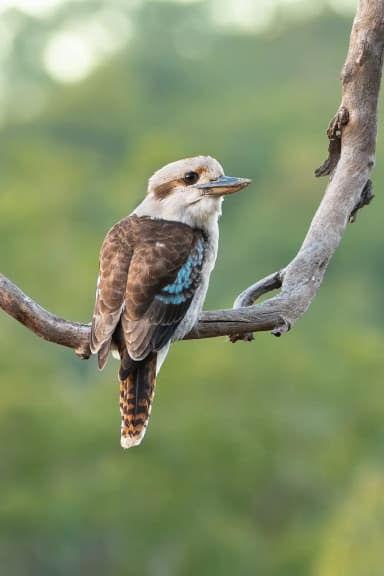
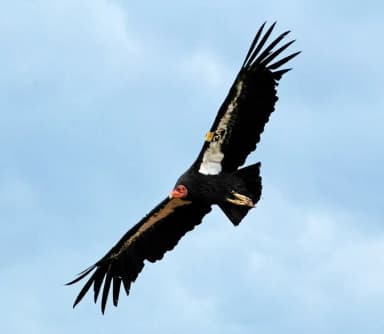
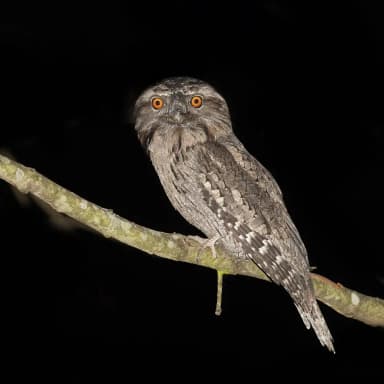
California Trails exhibits California condors, island foxes, turkey vultures, desert tortoises, and bald eagles, with an elevated path offering two viewpoints onto the condor aviary. The Crawford Family Penguin House holds a colony of Humboldt penguins alongside Inca terns and other coastal South American birds, with viewing both above and below the waterline. The Australian Walkabout, opened in 2022, is a walkthrough habitat for Western grey kangaroos, Bennett's wallabies, and emus, with adjoining birdcages for laughing kookaburras, tawny frogmouths, and sulphur-crested cockatoos.
Guests can also hand-feed Masai giraffes from the giraffe deck, typically open from 10:30 a.m. to between 2 and 6 p.m. depending on season, and brush mini Nubian and dwarf Nigerian goats in the barnyard. The Discovery Pavilion, a nearly 9,000-square-foot LEED-certified building, houses classrooms, the zoo's animal kitchen, and an art gallery with rotating nature-themed exhibits. Two narrow-gauge Zoo Train locomotives, both Chance Rides C. P. Huntington models, circle the zoo's perimeter.
Animal highlights
Santa Barbara Zoo lists at least 20 species on its website and states elsewhere that it is home to 393 animals representing 109 species across mammals, amphibians, reptiles, birds, fish, and invertebrates. Species on its published list include Masai giraffes, Western lowland gorillas, snow leopards, Amur leopards, California condors, Humboldt penguins, red pandas, capybaras, meerkats, and Chilean flamingos, along with Australian species such as Bennett's wallabies and Western grey kangaroos. The zoo's giraffe program has bred and successfully delivered Masai giraffe calves, considered genetically valuable and shared with other AZA institutions.
Conservation and programs
Santa Barbara Zoo is a partner in the California Condor Recovery Program; the condor was the first species listed under the Endangered Species Act, in 1967. The zoo also takes part in the Island Fox Recovery Program, supporting a species found on six of the eight Channel Islands that faced serious extinction risk in the late 1990s but has since recovered through the work of multiple conservation agencies. The zoo participates in a national community science effort to identify and count frogs and toads, and it partners with more than 30 other zoos on an electronics recycling program that raises money for gorilla conservation.
Through its Conservation Center at CSUCI, the zoo works with California State University Channel Islands to expand wildlife conservation and experiential learning programs. It also contributes to multiple AZA Saving Animals From Extinction (SAFE) programs, which pool expertise across accredited zoos and aquariums to support threatened species.
Planning your visit
As listed on the zoo's website, Santa Barbara Zoo is open daily from 9:30 a.m. to 5 p.m. in fall and winter (last entry 4:00 p.m.) and until 7 p.m. in spring and summer (last entry 6:00 p.m.), with early 3:30 p.m. closures on Thanksgiving, Christmas Eve, and Christmas. Reservations are recommended for both general admission and member visits, and buying online saves $2 per ticket. Parking costs $11 per vehicle, free with a Zoo membership; accessible parking is free with a valid placard or license plate, and bicycle racks are available.
The zoo welcomes strollers throughout, and wheelchairs and electric convenience vehicles are available to rent on a first-come, first-served basis near the entrance. Sensory backpacks, including noise-canceling headphones, can be borrowed at the admissions window for guests with sensory sensitivities. Two restaurants — the Ridley-Tree House Restaurant and The Wave, a hilltop café — serve food including gluten-free and dairy-free options, along with beer and wine; outside alcohol isn't permitted. The zoo participates in the Museums for All program, offering $3 admission for up to four people to guests presenting an EBT card or other SNAP proof with photo ID. Confirm current hours, ticket prices, and parking availability on the zoo's official website before visiting, since construction near the zoo has affected nearby overflow parking.
What we haven't confirmed
Everything above came from public sources. These specifics we haven't stood behind yet:
- Ticket prices (general admission)
- Time needed for a visit
- Current total animal count
Santa Barbara Zoo compared with nearby zoos
How Santa Barbara Zoo lines up against the closest zoos we have details for — useful if you're deciding between them for the same day out.
| Zoo | Distance | Admission | Hours | Size | AZA |
|---|---|---|---|---|---|
| Santa Barbara ZooThis zooSanta Barbara, CA | — | $39.95 | 9:30 AM – 5 PM | 30 acres | Yes |
| The Teaching Zoo At Moorpark CollegeMoorpark, CA | 48 mi | $12 | Open to the public weekends only: Saturday & Sunday 11:00 AM – 4:30 PM; last ticket sales 3:45 PM. | — | No |
| Wildlife Learning CenterSylmar, CA | 68 mi | $16 | Daily 10:00 AM – 5:00 PM. Closed Thanksgiving Day, Christmas Day. | — | No |
| Shambala PreserveActon, CA | 81 mi | $50 | Open to the public one weekend a month by advance reservation only: afternoon Safari (Sat & Sun at noon, ~2.5 hrs). Remaining 2026 dates: Oct 10–11, Nov 14–15, Dec 12–13, all at noon. | — | No |
Distances are straight-line. A dash means we haven't confirmed that detail yet, not that the zoo lacks it.
AZAThe Association of Zoos and Aquariums. Accredited members have passed an independent inspection of animal care and welfare, safety, conservation and education, repeated every five years. Many smaller facilities never apply, so “not accredited” isn't a verdict on its own. What accreditation means · How we check this
Santa Barbara Zoo: common questions
Is Santa Barbara Zoo AZA accredited?
Yes, continuously since 1982, making it the 51st AZA-accredited zoo; its accreditation was last renewed in March 2026.
How big is Santa Barbara Zoo?
It covers 30 acres of botanic gardens above the Pacific Ocean.
When did Santa Barbara Zoo open?
It opened to the public in August 1963, on the site of the former Child Estate.
How many animals live at Santa Barbara Zoo?
The zoo lists 393 animals representing 109 species, and describes its total collection elsewhere as more than 500 animals.
Is Santa Barbara Zoo stroller and wheelchair accessible?
Yes. Strollers are welcome throughout, and wheelchairs and electric convenience vehicles can be rented at the main gift store.
Is there food available on site?
Yes, at the Ridley-Tree House Restaurant and The Wave hilltop café, both offering gluten-free and dairy-free options.
Is there parking at the zoo?
Yes, for $11 per vehicle, though nearby construction has limited overflow parking — check the zoo's website for current alerts.
Something wrong here? Tell us — we correct in place, with a dated note.