
Accreditation and the law
CITES
Also called Convention on International Trade in Endangered Species of Wild Fauna and Flora, Washington Convention, CITES Appendix I, CITES Appendix II, CITES Appendix III
Definition
CITES, the Convention on International Trade in Endangered Species of Wild Fauna and Flora, is an international treaty that controls cross-border trade in wild animals and plants so it doesn't threaten their survival. Listed species fall into three Appendices with different levels of protection.
On this page
What CITES is
CITES (pronounced "SY-teez") is the Convention on International Trade in Endangered Species of Wild Fauna and Flora. It's an international treaty that makes sure trade across borders in wild animals and plants doesn't threaten their survival in the wild.
The treaty text was agreed by representatives of 80 countries in Washington, D.C., on March 3, 1973, which is why it's sometimes called the Washington Convention. It came into force on July 1, 1975. Today it has 185 Parties: 184 countries plus the European Union.
CITES covers more than 40,000 species, including live animals and plants as well as products made from them, such as ivory, skins, timber and traditional medicines.
How CITES works
CITES works through permits. Moving a listed species across an international border counts as trade, even with no money involved, and needs the right paperwork from the countries involved. Each country appoints a Management Authority to issue permits and a Scientific Authority to advise on whether trade is safe for the species.
The treaty is binding on its Parties, but each country enforces it through its own laws. In the U.S., the Endangered Species Act gives the U.S. Fish and Wildlife Service authority to carry it out.
The three CITES Appendices
Every CITES species sits in one of three lists, called Appendices:
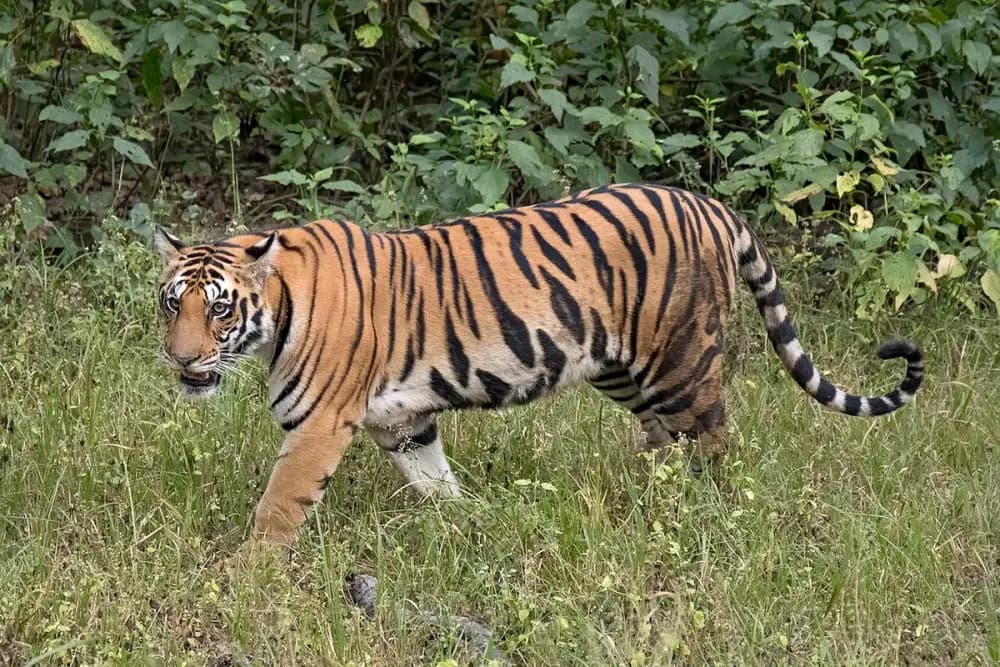
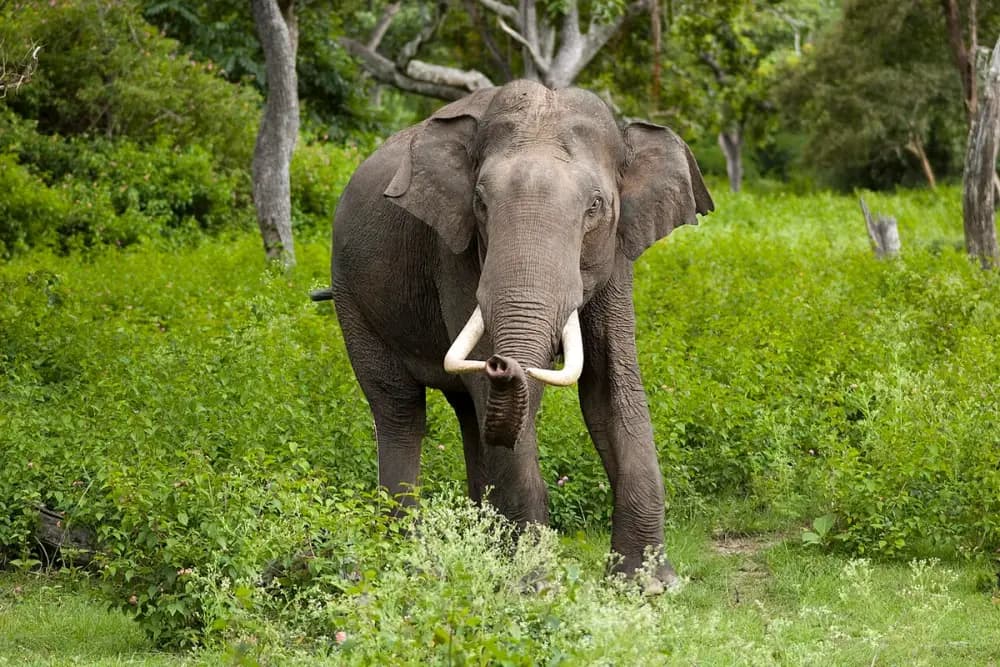
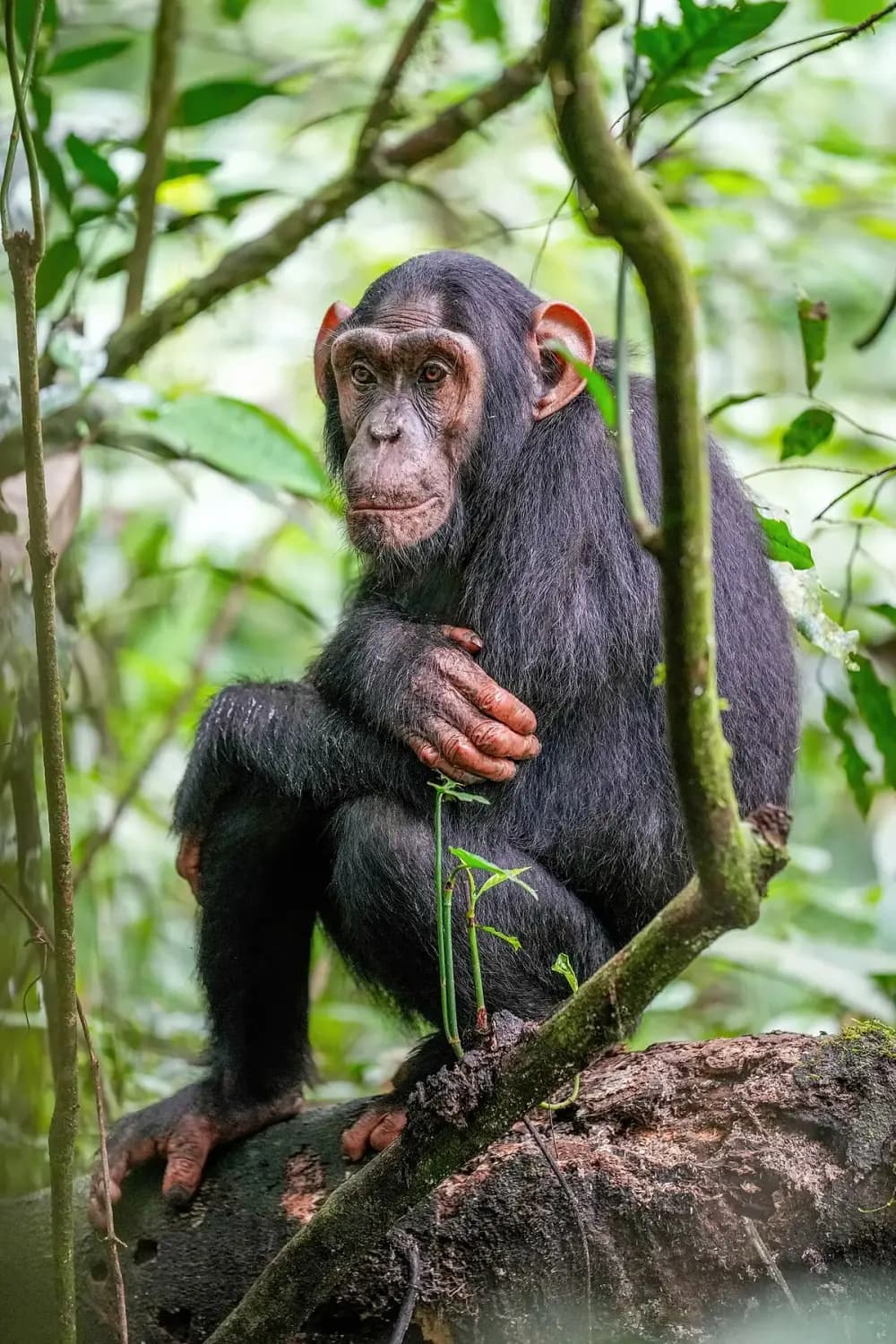
- Appendix I: species threatened with extinction. Commercial trade in wild-caught animals or plants is not allowed, and other trade needs both an import and an export permit. Examples include tigers, Asian elephants, chimpanzees and red pandas.
- Appendix II: species not necessarily threatened now, but whose trade must be controlled to keep it sustainable. Most CITES species are here. Trade needs an export permit.
- Appendix III: species protected in at least one country that has asked other Parties to help control the trade.
Some species are split-listed, with different populations in different Appendices. Parties vote on changes to Appendices I and II at a Conference of the Parties, held about every three years.
CITES vs. the IUCN Red List
The IUCN Red List measures how close a species is to extinction. CITES asks a narrower question: is international trade part of the threat? A species can be Critically Endangered on the Red List but not listed by CITES if trade isn't a problem for it, and a species can be on Appendix II while still fairly common.
Why CITES matters for zoos
Zoos often move animals between countries for cooperative breeding programs. When a listed species is involved, each move needs CITES permits. CITES also helps fight illegal wildlife trafficking, one of the threats many zoo conservation programs work against in the wild.
Examples

Common questions
What does CITES stand for?
CITES stands for the Convention on International Trade in Endangered Species of Wild Fauna and Flora. It's an international agreement, in force since 1975, that regulates trade in wild animals and plants across national borders.
What is the difference between CITES Appendix I, II and III?
Appendix I lists species threatened with extinction, and commercial trade in wild-caught specimens is not allowed. Appendix II lists species that aren't necessarily threatened now but need trade controls to stay that way. Appendix III lists species protected by at least one country that has asked others to help control the trade.
Is the United States part of CITES?
Yes. The U.S. is one of 185 Parties to CITES. The U.S. Fish and Wildlife Service implements the treaty in the U.S., under the authority of the Endangered Species Act.
Does CITES apply to zoos?
Yes, when animals cross borders. A zoo importing or exporting a CITES-listed animal, for example to join an international breeding program, needs the right CITES permits from the countries involved.
Related terms
- Endangered Species ActThe Endangered Species Act (ESA) is a U.S. law, signed in 1973, that protects plants and animals listed as endangered or threatened and aims to recover them. It is administered by the U.S. Fish and Wildlife Service and NOAA's National Marine Fisheries Service.
- IUCN Red ListThe IUCN Red List of Threatened Species is the world's most widely used inventory of extinction risk. Run by the International Union for Conservation of Nature, it sorts assessed species into categories from Least Concern to Extinct using measurable scientific criteria.
- EndangeredEndangered (EN) is an IUCN Red List category for species facing a very high risk of extinction in the wild. It is the middle of the three 'threatened' categories, above Vulnerable and below Critically Endangered.
- Critically EndangeredCritically Endangered (CR) is the IUCN Red List category for species facing an extremely high risk of extinction in the wild. It is the most severe of the three 'threatened' categories, one step below Extinct in the Wild.
Sources
Last reviewed
Get the Feather & Fang newsletter
Zoo news, animal features and what's new in the directory. Occasional, never spammy.