
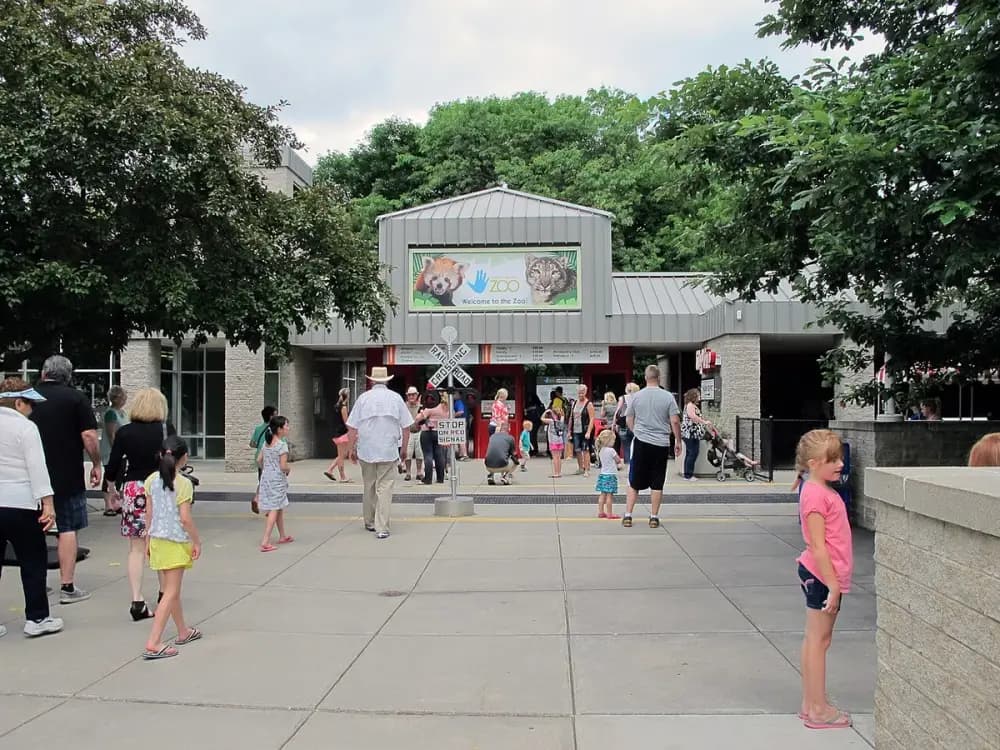
- Admission
- $16.95
- Size
- 10 acres
- Animals
- 400
- Opened
- 1965
- Accreditation
- AZA
Association of Zoos and Aquariums
Everything below is directory information drawn from public sources and the zoo's own site.
Animals at Lincoln Children's Zoo
10 confirmedMammals5
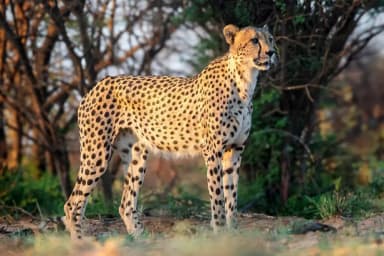
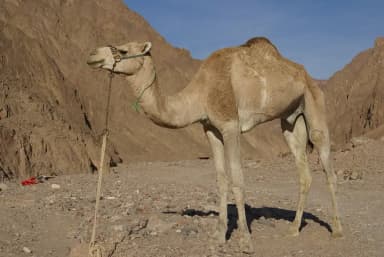
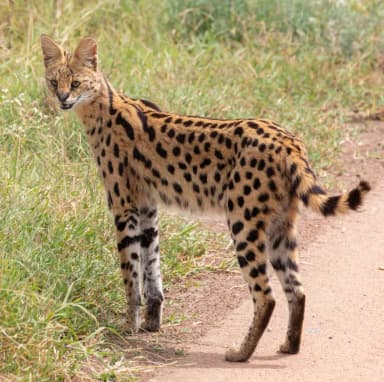
Birds3

Feathers & Fangs from visitors
What people who've been to Lincoln Children's Zoo say
A Feather is something this zoo does well; a Fang is something it gets wrong. Left by people who've been, and read by us before they appear.
Loading…
About Lincoln Children's Zoo
Lincoln Children's Zoo sits on 10 acres at 1222 S 27th Street in Lincoln, Nebraska. The zoo is a nonprofit institution accredited by the Association of Zoos and Aquariums, and it houses more than 400 animals, over 40 of which are classified as endangered. According to the zoo, roughly 375,000 people visit each year, making it the third most attended arts and science attraction in the state.
The collection includes a Sumatran tiger, a Matschie's tree kangaroo, cheetahs, penguins, red pandas, and meerkats, alongside giraffes that visitors can feed directly. The zoo describes itself as a family destination built around close, hands-on encounters rather than distant viewing, and its layout mixes animal habitats with scenic gardens throughout the grounds.
Programming extends beyond daily visits. The zoo runs a "High School at the Zoo" program and summer classes for children, along with a Summer Zoo Camp that combines animal encounters with STEAM-based lessons. Membership is also offered as a way to support the zoo's operations and get repeat access to the grounds.
History
Lincoln Children's Zoo traces its origin to 1959, when founder Arnott Folsom set out to build a family destination where children and adults could interact with nature up close. A donation from Folsom and his wife, combined with support from community leaders, got the project off the ground, and the zoo opened to the public in the summer of 1965.
Sue Brouse, Folsom's granddaughter, has described the zoo's early years and its growth since: she recalls visiting the otters as a child and waiting for them to slide down a slide that was once part of their exhibit, and watching prairie dogs pop out of their holes. According to her account, the zoo has since added education-focused programming, including the High School at the Zoo, alongside expanded animal exhibits and grounds that continue to grow around the original vision.
Exhibits and habitats
Because Lincoln Children's Zoo is built for close animal encounters rather than large-scale habitat replicas, much of the visitor experience centers on interactive add-ons rather than named exhibit buildings. A giraffe feeding station lets guests feed the zoo's giraffes directly, a train ride runs through the grounds, and a camel and goat feeding area rounds out the hands-on offerings. These three experiences are commonly bundled together in the zoo's admission packages.
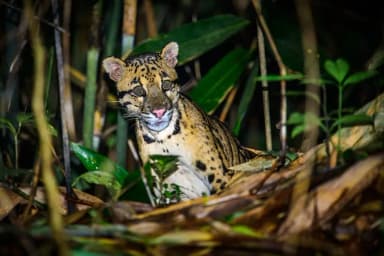
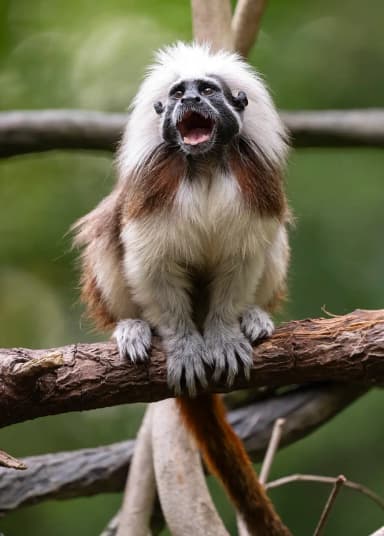
The zoo's animal areas host species from savanna, desert, and forest habitats side by side, including cheetahs, servals, clouded leopards, colobus monkeys, and cotton-top tamarins. Scenic gardens run through the grounds between exhibits, a detail the zoo has emphasized since its earliest years as a place where children could "surround themselves in scenic gardens."
Animal highlights
The zoo profiles at least 10 species in depth on its website, drawn from a collection of more than 400 animals overall, including giraffes, cheetahs, tigers, giant anteaters, red pandas, Humboldt penguins, ring-tailed lemurs, and Galapagos tortoises. More than 40 of the animals at the zoo are classified as endangered.
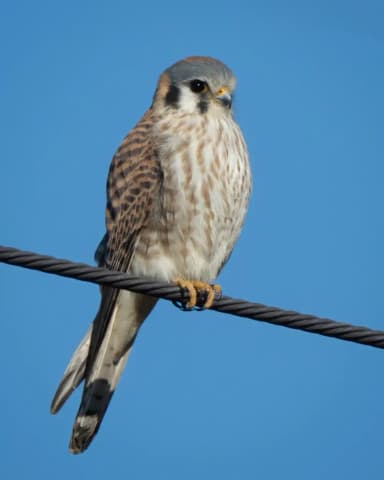
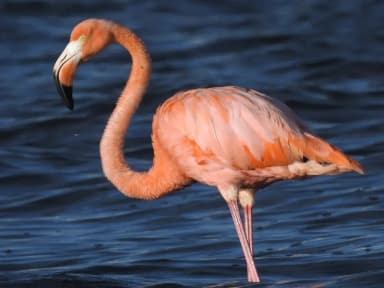
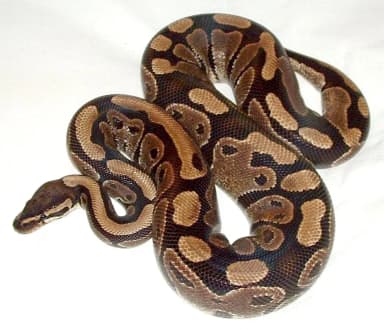
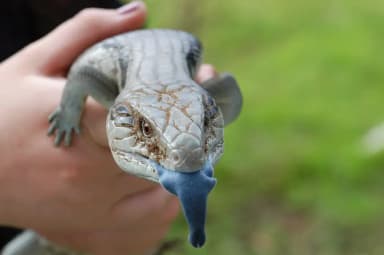
Individual species profiles cover animals such as the African serval, described as able to jump more than 10 feet straight up to catch birds in flight, and the cheetah, noted as the fastest land mammal and the only big cat that cannot roar. The bald eagles at the zoo are injured birds that have been rehabilitated and cannot be released back into the wild. Other profiled residents include the American kestrel, the smallest falcon in North America; ball pythons, which stop eating during a September-to-February mating season; blue-tongued skinks, which flash their tongues and hiss as a threat display; Caribbean flamingos, which stand on one leg to reduce heat loss; clouded leopards, whose canine teeth are the longest relative to body size of any feline; cotton-top tamarins, which live in groups led by the oldest female; Cuban rock iguanas, capable of a 40-foot leap from trees; dromedary camels, which can drink 30 gallons of water in 13 minutes; and East African crowned cranes, the only crane species known to perch in trees.
Conservation and programs
Lincoln Children's Zoo describes itself as home to over 30 endangered animals and says it partners with organizations around the world that manage both captive and wild populations toward long-term protection plans. The zoo participates in the Association of Zoos & Aquariums' Species Survival Plan program, which coordinates the management of nearly 500 species across accredited institutions with the goal of supporting conservation in the wild.
The zoo also collaborates with National Geographic photographer Joel Sartore on his Photo Ark project, an effort to photograph species before they disappear. According to the zoo, the Photo Ark began at Lincoln Children's Zoo, with the very first photograph taken of a naked mole rat. The project has since documented more than 10,531 species.
Planning your visit
As listed on the zoo's website, Lincoln Children's Zoo is open from 10 a.m. to 5 p.m. Individual adult and child admission prices were not listed in the pages checked for this profile, but group rates are: for parties of 12 or more with an advance reservation, admission runs $10 per person, with add-on train rides at $2.50 and giraffe feeding at $3.50, each also requiring a group of 12 or more.
The zoo participates in the AZA Reciprocal Admissions Program, so members of participating zoos — including those in Omaha, Kansas City, and Des Moines — can receive a discount by bringing their home zoo's membership card. A military and first responder discount is also available with valid ID.
Online tickets are valid for the purchase date but can be moved to another date up to 24 hours in advance; purchases made this way are non-refundable. Tickets can be shown on a phone or printed. Picnic areas are available inside and outside the zoo on a first-come basis, though the zoo notes that seating is limited and lunches left unattended may attract squirrels and peacocks.
As with any listed hours, prices, or policies here, check the official zoo website before you go.
What we haven't confirmed
Everything above came from public sources. These specifics we haven't stood behind yet:
- Individual adult and child ticket prices
- Parking location and cost
- Total published species count
- Typical time needed for a visit
- Stroller and wheelchair accessibility details
- Food and dining options on-site
Lincoln Children's Zoo compared with nearby zoos
How Lincoln Children's Zoo lines up against the closest zoos we have details for — useful if you're deciding between them for the same day out.
| Zoo | Distance | Admission | Hours | Size | AZA |
|---|---|---|---|---|---|
| Lincoln Children's ZooThis zooLincoln, NE | — | $16.95 | 10 am – 5 pm | 10 acres | Yes |
| Clay Center ZooClay Center, KS | 101 mi | Free | Monday–Saturday 9:00 AM – 5:00 PM; Sunday 10:00 AM – 5:00 PM. | — | No |
| Sunset ZooManhattan, KS | 112 mi | $11 | 9:30 AM – 5:00 PM | — | Yes |
| Topeka ZooTopeka, KS | 131 mi | $10 | 9am – 3pm | — | Yes |
Distances are straight-line. A dash means we haven't confirmed that detail yet, not that the zoo lacks it.
AZAThe Association of Zoos and Aquariums. Accredited members have passed an independent inspection of animal care and welfare, safety, conservation and education, repeated every five years. Many smaller facilities never apply, so “not accredited” isn't a verdict on its own. What accreditation means · How we check this
Lincoln Children's Zoo: common questions
Is Lincoln Children's Zoo AZA accredited?
Yes, it is accredited by the Association of Zoos and Aquariums.
When did the zoo open?
It opened in the summer of 1965, after founder Arnott Folsom began developing the idea in 1959.
How big is the zoo?
The zoo covers 10 acres and is home to more than 400 animals.
Are there discounts for members of other zoos?
Yes. The zoo participates in the AZA Reciprocal Admissions Program for members of participating zoos, including those in Omaha, Kansas City, and Des Moines, though this discount is not available on online ticket purchases.
Is there a military discount?
Yes, a military and first responder discount is available with a valid military or work ID.
What animals can you see at the zoo?
The collection includes giraffes, cheetahs, a Sumatran tiger, red pandas, Humboldt penguins, meerkats, servals, clouded leopards, cotton-top tamarins, and dromedary camels, among others.
Can I use my online ticket on my phone?
Yes, tickets can be shown on a phone or printed out.
Something wrong here? Tell us — we correct in place, with a dated note.