
Birmingham Zoo
Birmingham, AL
- Admission
- $24
- Animals
- 550
- Opened
- 1955
- Accreditation
- AZA
Association of Zoos and Aquariums
Everything below is directory information drawn from public sources and the zoo's own site.
Animals at Birmingham Zoo
17 of the ~180 species this zoo listsThis is a partial list — we only show species we've confirmed against the zoo's own pages, and their full collection is considerably larger.
Mammals11
 Sunuwargr · CC BY-SA 4.0
Red panda
 Charles J. Sharp · CC BY-SA 4.0
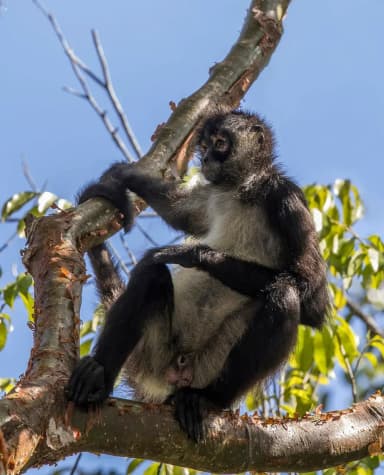
Black-handed Spider Monkey
 su neko · CC BY 2.0
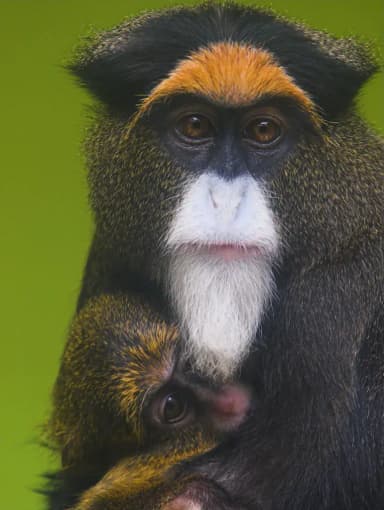
De Brazza's Monkey
 Payman sazesh · CC BY-SA 3.0
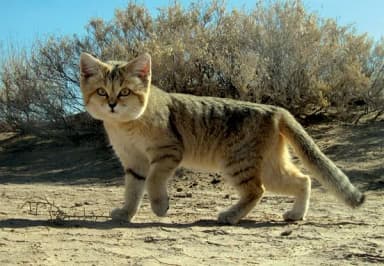
Sand Cat
 Relative of Brandt Luke Zorn, most likely his father. · CC BY-SA 2.0
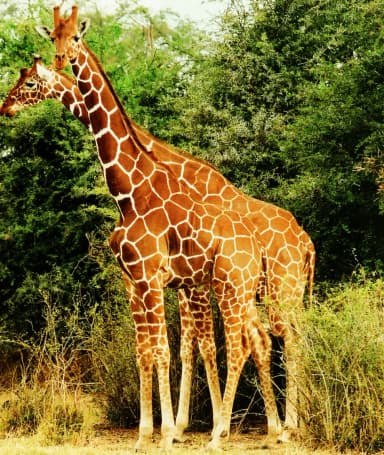
Reticulated giraffe
 Giles Laurent · CC BY-SA 4.0
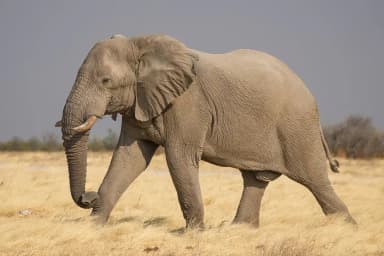
African Elephant
 Becker1999 (Paul and Cathy) · CC BY 2.0
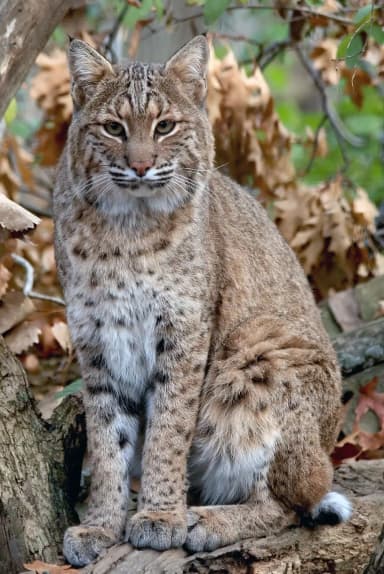
Bobcat
 Giles Laurent · CC BY-SA 4.0
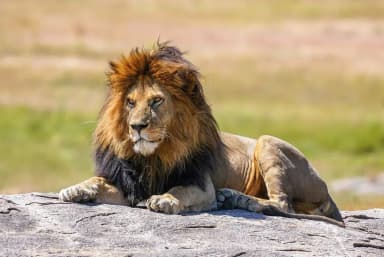
Lion
 Charles J. Sharp · CC BY-SA 4.0
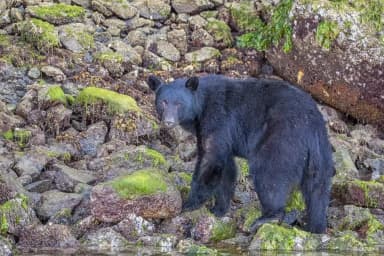
American Black Bear
Birds5
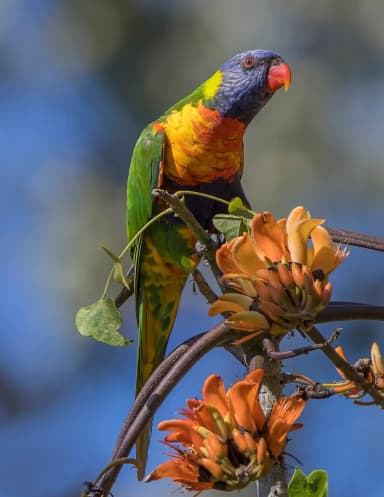
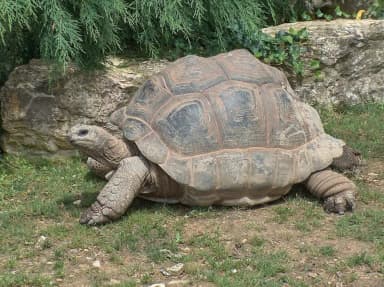
Feathers & Fangs from visitors
What people who've been to Birmingham Zoo say
A Feather is something this zoo does well; a Fang is something it gets wrong. Left by people who've been, and read by us before they appear.
Loading…
About Birmingham Zoo
Birmingham Zoo sits in Lane Park on the southern foot of Red Mountain in Birmingham, Alabama. It opened on April 2, 1955, under the name the Jimmy Morgan Zoo, and today operates as an independent, not-for-profit 501(c)(3) organization known as Birmingham Zoo, Inc. It is the only zoo in Alabama accredited by the Association of Zoos and Aquariums, and it participates in AZA Species Survival Plans for endangered species. More than 550 animals representing 180 species live at the zoo, drawn from six continents, including giraffes, ostriches, zebras, rhinos, elephants, and other threatened and endangered animals.
The zoo's stated mission is "Inspiring Passion to Conserve the Natural World," and its collection and exhibit areas are organized largely around geography and age group. Visitors move through a Main Zoo built around predator and primate buildings, a reptile building, and a sea lion and flamingo area, then into the Junior League of Birmingham–Hugh Kaul Children's Zoo, which focuses on Alabama's own wild and farm animals, and finally into Trails of Africa, the zoo's largest single expansion, centered on an all-male herd of African elephants. Chris Pfefferkorn has served as President and CEO since July 2018, following William R. Foster, a veterinarian who led the zoo beginning in January 2004.
Birmingham Zoo has been in continuous operation on this site since the mid-1950s, though its accreditation status and management structure changed substantially over the following decades — a history laid out in more detail below.
History
The zoo traces its origin to a small menagerie of exotic animals kept in a Southside firehouse, which grew and moved through Magnolia Park (now Brother Bryan Park) and then Avondale Park. Its most notable early resident was "Miss Fancy," an elephant purchased as a circus promotional novelty and donated by the Birmingham Advertising Club. As the collection grew, city leaders consulted the Olmsted Brothers landscape architecture firm about a permanent home, which led to the site on land the city had purchased on Red Mountain between 1889 and 1896 — land that had included the former Red Mountain Cemetery before it was dedicated as a city park in 1934.
Postwar momentum for a permanent zoo came from the Birmingham Junior Chamber of Commerce, with Elton B. Stephens chairing a Jaycees committee in 1946 and Mayor James R. Morgan championing the project from 1949 onward. A zoo commission built six exhibits — including Monkey Island, an elephant house, a bear moat, a birdhouse, a snake pit, and a seal pool — on a $250,000 budget raised through private donations and charter memberships. The zoo opened as the Jimmy Morgan Zoo on April 2, 1955, with Monkey Island as its first exhibit, and the City of Birmingham assumed responsibility that November. In 1960, new director Bob Truett — hired from Chicago's Lincoln Park Zoo — petitioned the city to rename it the Birmingham Zoo. The Alabama Zoological Society formed in the early 1960s as a nonprofit fundraising partner, but decades of underfunding through the 1970s and 1980s left the zoo unable to execute its master plans, and it lost its AZA accreditation in the late 1990s.
In 1999, Alabama Zoological Society members worked with Mayor Richard Arrington Jr. to form Birmingham Zoo, Inc. (BZI), a public-private partnership with a new board of directors and transitional government funding. An 18-month effort restored AZA accreditation, ranking the zoo in the top 10% of accredited facilities nationally, and the zoo received its 501(c)(3) status as its first capital campaign launched in January 2001. Under Foster's leadership beginning in 2004, the zoo opened the $15 million Junior League of Birmingham–Hugh Kaul Children's Zoo in April 2005, marking its 50th anniversary. In 2011 it opened Trails of Africa, conceived as a national leader in elephant care and breeding by housing multiple bull elephants together — a configuration no U.S. zoo had attempted before. Subsequent years brought a Komodo dragon exhibit, an interactive lorikeet aviary, a giraffe yard and feeding platform, and continued elephant, rhino, and lion transfers coordinated through AZA Species Survival Plans. The zoo opened cougar and bobcat habitats in its Alabama Wilds section in March 2025, and in July 2026 added a new axolotl habitat.
Exhibits and habitats
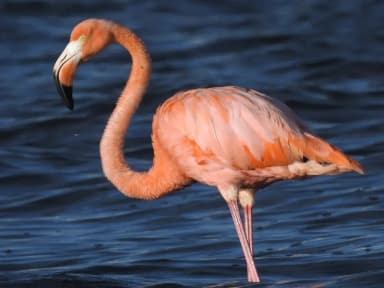
The Main Zoo section includes a sea lion pool with California sea lions, the Southern Bayou with American alligators, and Flamingo Lagoon, home to black-necked swans and American flamingos. The seasonal Lorikeet Interactive Feeding and Observation Aviary houses rainbow and coconut lorikeets. The Predator Building holds African lions, black-footed cats, coyotes, fennec foxes, Pallas's cats, red pandas, and sand cats, while the Primate Building groups South American and Southeast Asian species including black howler monkeys, jaguars, giant anteaters, giant otters, and Sumatran orangutans. A Reptile Building houses snakes, and the axolotl habitat, opened July 22, 2026, displays the aquatic amphibian in a dedicated space donated by Zoo supporter Ann Katholi.
The Junior League of Birmingham–Hugh Kaul Children's Zoo groups several smaller areas: the Alabama Barn with goats, Alabama Wilds with fish, sandhill cranes, North American river otters, and wild turkeys, the Barbara Ingalls Shook Black Bear Trail for American black bears, a butterfly house open seasonally, and a goose patch and contact yard.
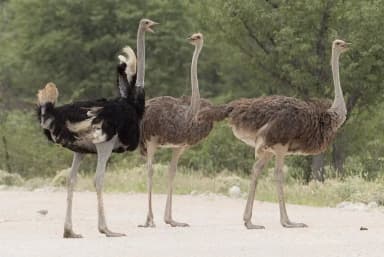
Trails of Africa, opened in 2011 at a cost tied to a 2007-announced expansion, centers on a bachelor herd of African elephants alongside an interactive boma yard, a safari café, and a waterhole exhibit. The adjoining Boma Yard includes the Kiwanis Giraffe Encounter for reticulated giraffes, a rhinoceros habitat currently home to an eastern black rhinoceros, and savannah hoofstock yards for Grant's zebras, ostriches, duikers, and tortoises.
Animal highlights
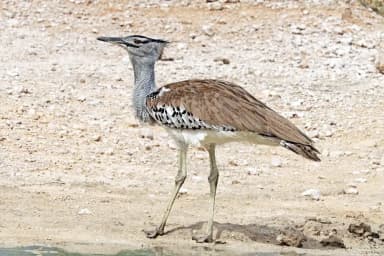
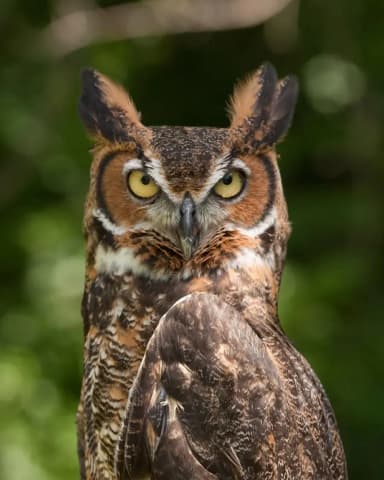
Birmingham Zoo lists at least 17 species on its website's searchable animal directory, a floor rather than a full count; the zoo's overall collection is described as more than 550 animals across 180 species. Species named across the site and its published materials include the African elephant, reticulated giraffe, Grant's zebra, lion, Sumatran orangutan, red panda, sand cat, De Brazza's monkey, black-handed spider monkey, bobcat, American black bear, Aldabra tortoise, American flamingo, ostrich, kori bustard, great horned owl, and rainbow lorikeet. The zoo's giraffe herd can be fed from a dedicated platform, and its axolotl and lorikeet exhibits are among the newer additions to the collection.
Conservation and programs
Birmingham Zoo participates in AZA Species Survival Plans, the cooperative breeding programs that move animals between accredited zoos to maintain genetically healthy populations. Its Trails of Africa elephant program has sent and received bull elephants from zoos including Disney's Animal Kingdom, the Pittsburgh Zoo, the Indianapolis Zoo, Tampa's Lowry Park Zoo, the Kansas City Zoo, and San Diego Zoo Safari Park as part of coordinated breeding recommendations, and its black rhinoceros program has similarly exchanged animals with the Saint Louis Zoo and Pittsburgh Zoo & Aquarium. The zoo's Conservation Circle is an annual giving program that funds animal care and education work in exchange for membership benefits, and the zoo offers behind-the-scenes encounters, a Passion into Conservation Action (PiCA) program, and homeschool and scouting education tracks.
Planning your visit
As listed on the zoo's website, regular hours run Wednesday through Sunday from 9:00 a.m. to 5:00 p.m., with entry into the zoo stopping one hour before closing; a separate page for group reservations lists 9:00 a.m. to 4:00 p.m. Confirm current hours before visiting, since the two sources differ.
Dining options include Nourish 205 Cafe and Wild Burger, both open Wednesday through Sunday and offering vegetarian and gluten-free choices alongside sandwiches, salads, burgers, and hand-breaded chicken tenders. A 3–4% transaction fee applies to card purchases. The zoo also runs seasonal rides including the Birmingham Zoo Express/Red Diamond Express train and a carousel, along with lorikeet feeding.
For accessibility, the zoo's Guest Services staff assist visitors who call ahead at 205-879-0409. Wheelchairs and electric scooters can be brought from home or rented at the main gift shop; scooters, hoverboards, skateboards, and bicycles are not permitted inside. The zoo map marks Quiet Zones, Headphone Zones, a Sensory Room, and family restrooms as part of its Sensory Inclusive Zoo Initiative, and service dogs must check in at Guest Services before entering. A stroller and wheelchair rental area and lost-and-found are located at Visitor Services near the front entrance.
A printable zoo map is available in the gift shop just inside the entrance to help plan a route through the Main Zoo, Children's Zoo, and Trails of Africa sections. Check the zoo's official website for current hours, ticket prices, and any schedule changes before visiting.
What we haven't confirmed
Everything above came from public sources. These specifics we haven't stood behind yet:
- Exact current hours (two official pages list different closing times)
- Ticket prices
- Parking details and cost
- Total acreage
- Time needed for a visit
Birmingham Zoo compared with nearby zoos
How Birmingham Zoo lines up against the closest zoos we have details for — useful if you're deciding between them for the same day out.
| Zoo | Distance | Admission | Hours | Size | AZA |
|---|---|---|---|---|---|
| Birmingham ZooThis zooBirmingham, AL | — | $24 | 9:00am – 4:00pm | — | Yes |
| Montgomery ZooMontgomery, AL | 79 mi | — | — | 40 acres | No |
| Auburn Raptor CenterAuburn, AL | 96 mi | — | Open to the public only by scheduled private appointment/program or during public shows. Football, Fans and Feathers shows are held the Fridays before home football games at 4:00 PM (gates 3:00 PM); 2026 dates: Oct 23, Nov 6, Nov 20. | — | No |
| Tupelo Buffalo Park and ZooTupelo, MS | 127 mi | — | Summer (Apr 1 – Oct 31): Mon–Thu 10 AM – 4 PM, Fri–Sat 10 AM – 5 PM, Sun 11 AM – 4 PM. Winter (Nov 1 – Mar 31): Mon–Sat 10 AM – 4 PM, Sun 11 AM – 4 PM. Closed Christmas Day. | 210 acres | No |
Distances are straight-line. A dash means we haven't confirmed that detail yet, not that the zoo lacks it.
AZAThe Association of Zoos and Aquariums. Accredited members have passed an independent inspection of animal care and welfare, safety, conservation and education, repeated every five years. Many smaller facilities never apply, so “not accredited” isn't a verdict on its own. What accreditation means · How we check this
Birmingham Zoo: common questions
Is Birmingham Zoo AZA accredited?
Yes. It is the only zoo in Alabama accredited by the Association of Zoos and Aquariums, and it participates in AZA Species Survival Plans.
When did Birmingham Zoo open?
It opened April 2, 1955, as the Jimmy Morgan Zoo, and was renamed the Birmingham Zoo in 1960.
How many animals and species does the zoo have?
The zoo lists more than 550 animals across 180 species, though at least 17 species are named individually on its website.
What are some notable animals at the zoo?
Visitors can see African elephants, reticulated giraffes, lions, Sumatran orangutans, red pandas, and an eastern black rhinoceros, among others.
Is the zoo wheelchair and stroller accessible?
Wheelchairs and electric scooters can be rented at the main gift shop, and the zoo publishes an Accessibility Guide and sensory-friendly zone map for visitors with special needs.
Is there food inside the zoo?
Yes. Nourish 205 Cafe and Wild Burger both offer sandwiches, burgers, salads, and vegetarian and gluten-free options.
What organization runs the zoo?
Birmingham Zoo is an independent, not-for-profit 501(c)(3) organization operated as Birmingham Zoo, Inc.
Something wrong here? Tell us — we correct in place, with a dated note.