
Animal behavior
Nocturnal
Also called nocturnality, night-active, nocturnal animal
Definition
A nocturnal animal is one that is active mainly at night and sleeps or rests during the day. Owls, raccoons, opossums, most bats and many desert animals are nocturnal.
On this page
What "nocturnal" means
A nocturnal animal is active mainly at night and sleeps or rests during the day. The behavior is called nocturnality.
Nocturnal is one of several activity patterns biologists use:
- Nocturnal: active at night
- Diurnal: active during the day
- Crepuscular: most active at dawn and dusk
- Cathemeral: active at irregular times, day or night
The lines aren't always sharp. Plenty of animals described as nocturnal are really crepuscular, and many nocturnal species will come out by day when food is easy to get.
Why some animals are active at night
Night activity gives animals several advantages:
- Avoiding predators. Darkness is a form of camouflage.
- Less competition. Hawks and owls can hunt the same meadow for the same rodents because hawks hunt by day and owls by night.
- Catching prey off guard. Many prey animals don't see well in the dark.
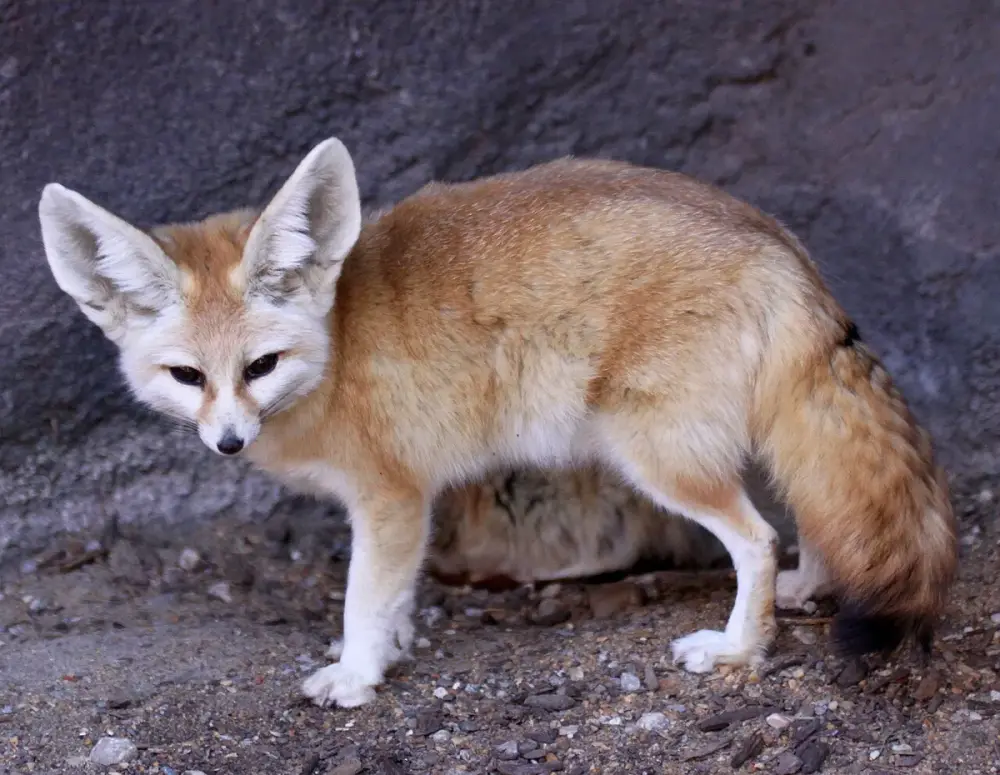
- Beating the heat. In deserts, staying underground by day and coming out at night saves water. The fennec fox is most active during cooler nighttime hours.
How nocturnal animals are built for the dark
Nocturnal species often have heightened hearing and smell and eyes adapted to low light. Owls and tarsiers have very large eyes for their body size. The great horned owl has asymmetrical ear openings that help it pinpoint prey by sound. Many bats use echolocation to find food in the dark.
Nocturnal animals you can see at the zoo
Well-known nocturnal zoo animals include:
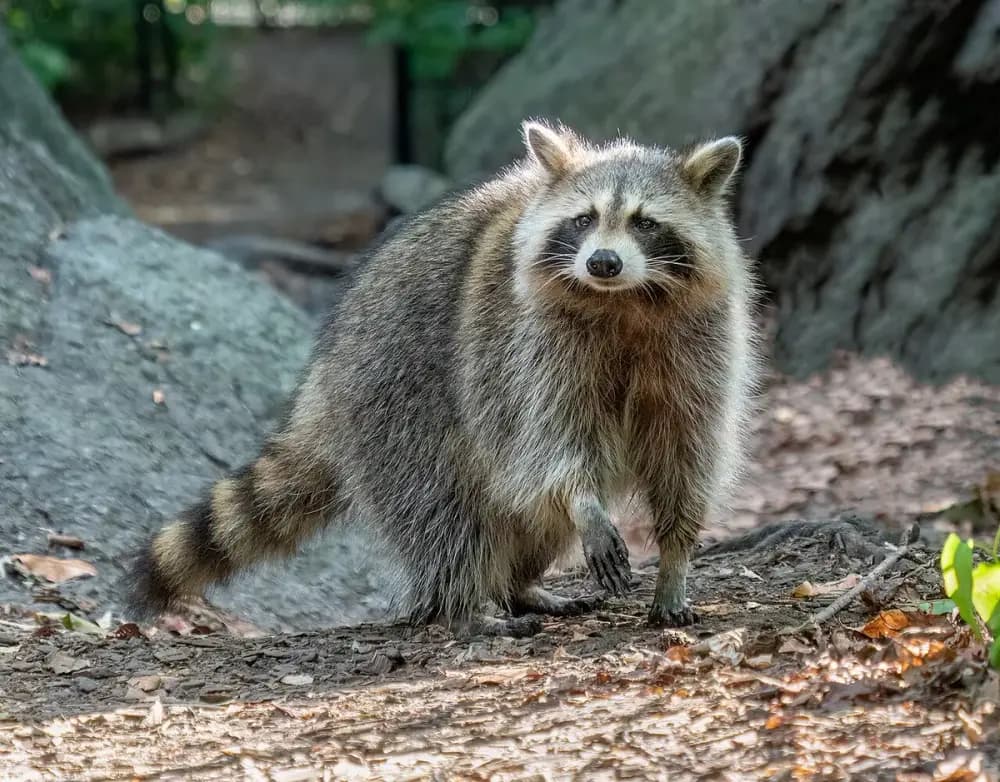
- the raccoon
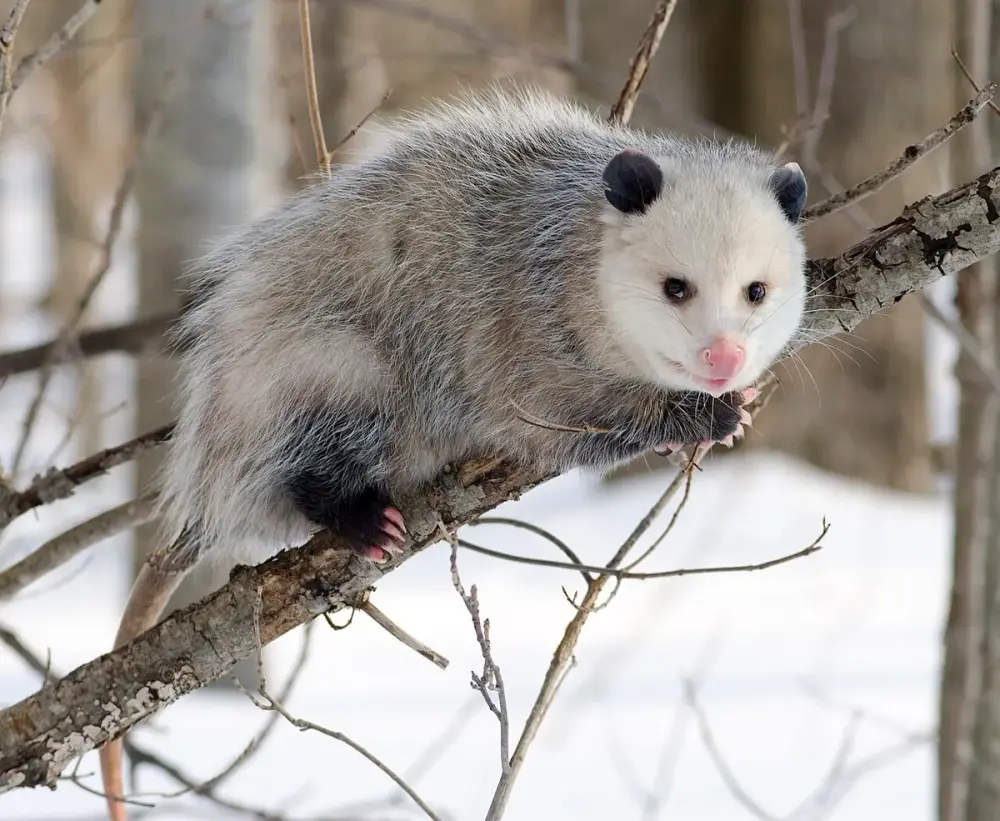
- the Virginia opossum
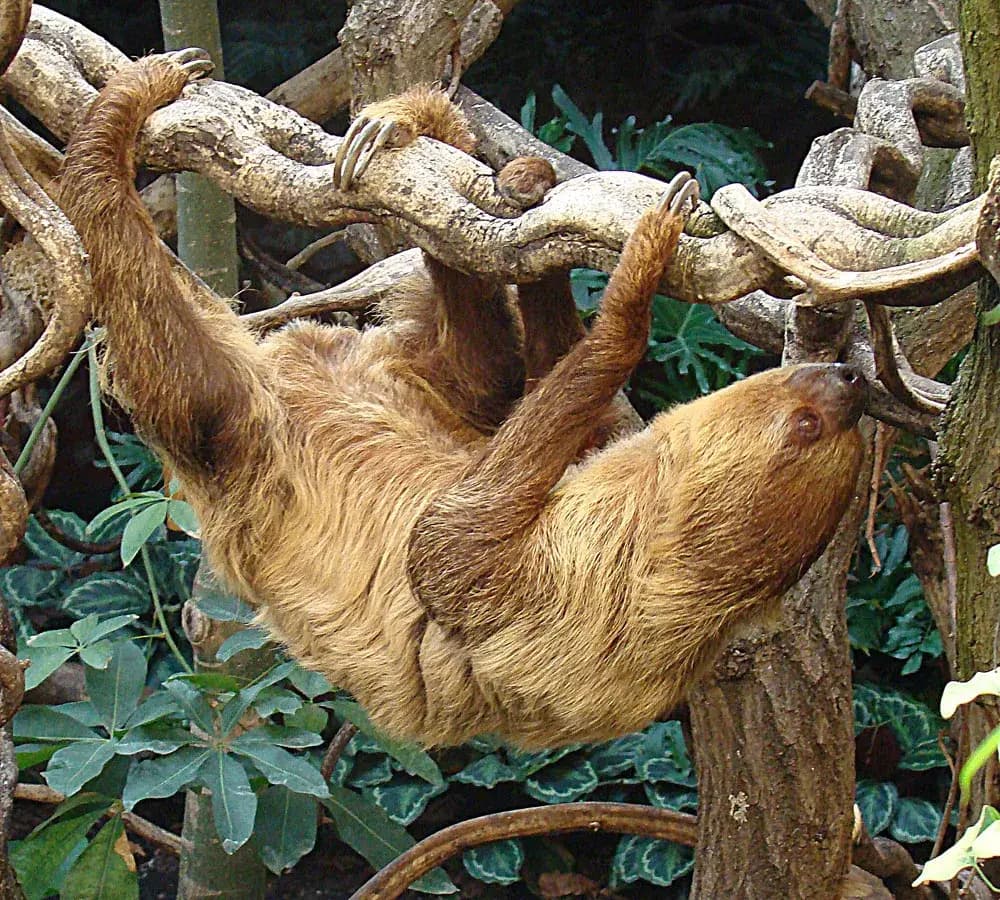
- the two-toed sloth
- the nine-banded armadillo, which often comes out to forage around dusk
- the binturong, which is mostly nocturnal but also active at dawn and dusk
- most bats, owls and kiwi
What it means for your zoo visit
Nocturnal animals are often curled up asleep during normal zoo hours. A few tips:
- Look for a nocturnal house or "night" exhibit. Some zoos keep night-active species in dimly lit buildings, and some reverse the light cycle so the animals are awake while visitors are there.
- Go early or late. Arrive at opening or stay until near closing, when many animals are more likely to be moving.
- Check feeding times and keeper talks. Scheduled feedings and enrichment sessions are a good chance to see a sleepy animal in action.
- Look carefully. A resting animal is often tucked into a nest box, hollow log or the top of a tree.
Find a zoo near you in our zoo directory.
Examples
 Rhododendrites · CC BY-SA 4.0
Raccoon
Procyon lotor
 Cody Pope · CC BY-SA 2.5
Virginia Opossum
Didelphis virginiana
 Greg Hume · CC BY-SA 3.0
Great Horned Owl
Bubo virginianus
 Drew Avery · CC BY 2.0
Fennec Fox
Vulpes zerda
 Dick Culbert from Gibsons, B.C., Canada · CC BY 2.0
Two-toed Sloth
Choloepus didactylus
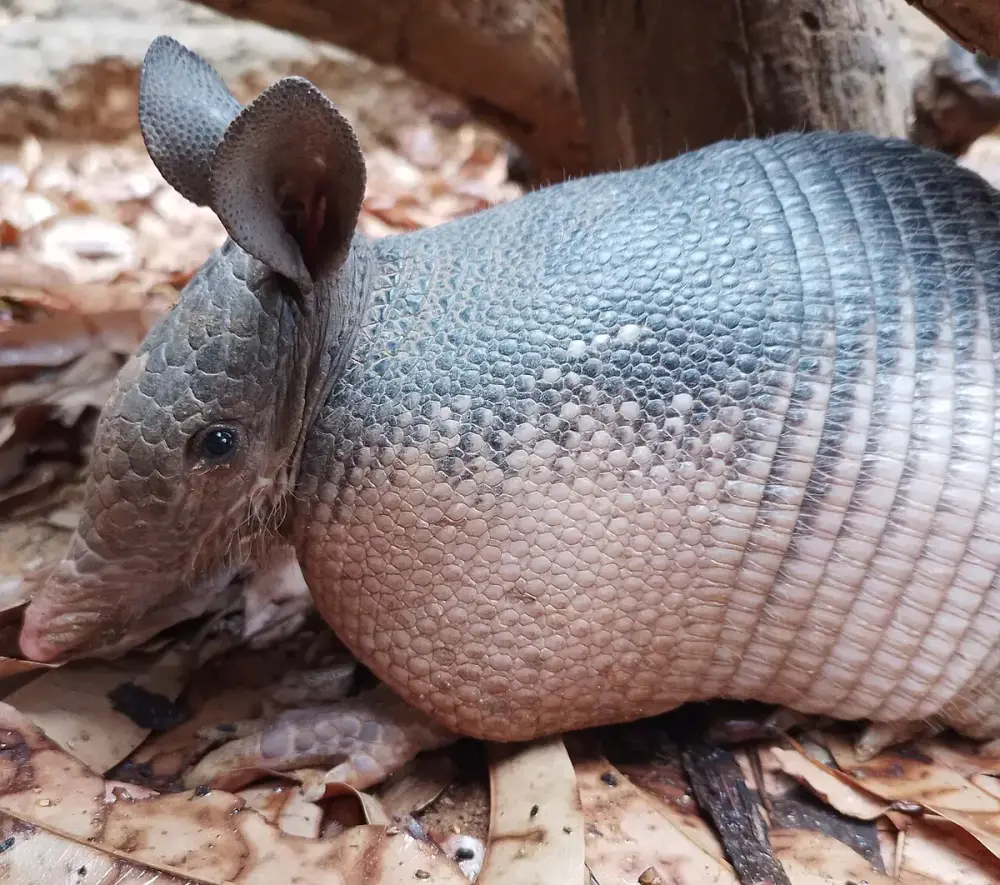 Aramburu Carlos · CC BY 4.0
Nine-banded Armadillo
Dasypus novemcinctus
Common questions
What does nocturnal mean for an animal?
It means the animal is mostly active at night, when it hunts, forages and moves around, and spends the daytime sleeping or resting in a den, burrow, tree hollow or roost.
What is the opposite of nocturnal?
Diurnal, which means active during the day. Animals that are most active at dawn and dusk are called crepuscular, and animals active at irregular times of day and night are called cathemeral.
Can you see nocturnal animals at the zoo?
Yes. Some zoos have nocturnal exhibits with dimmed lighting that make it easier to see night-active animals during the day. Otherwise, try visiting right at opening or near closing, when many nocturnal species are more likely to be stirring.
Why are some animals nocturnal?
Being active at night can help animals avoid predators, avoid competing with daytime species for the same food, hunt prey that can't see well in the dark, and escape daytime heat, which is especially important in deserts.
Related terms
- DiurnalA diurnal animal is one that is active mainly during the day and sleeps or rests at night. Most primates, including humans, are diurnal, as are most birds and many reptiles.
- CrepuscularA crepuscular animal is one that is most active during twilight, around dawn and dusk. Deer, rabbits, bobcats, chinchillas and red pandas are examples, and many animals casually called nocturnal are actually crepuscular.
- Animal enrichmentAnimal enrichment is anything zookeepers add to an animal's surroundings or routine to encourage natural behaviors, such as foraging, exploring and problem-solving. It includes puzzle feeders, new scents, toys, habitat changes and social time, and it is a core part of good animal welfare.
- Animal husbandryIn zoos, animal husbandry is the day-to-day care and management of animals: feeding and nutrition, cleaning and habitat upkeep, health monitoring, record keeping and training. It covers everything keepers and veterinarians do to keep each animal healthy.
Sources
Last reviewed
Get the Feather & Fang newsletter
Zoo news, animal features and what's new in the directory. Occasional, never spammy.