
Animal behavior
Crepuscular
Also called crepuscular animal, twilight-active, matutinal, vespertine
Definition
A crepuscular animal is one that is most active during twilight, around dawn and dusk. Deer, rabbits, bobcats, chinchillas and red pandas are examples, and many animals casually called nocturnal are actually crepuscular.
On this page
What "crepuscular" means
A crepuscular animal is most active during twilight: the dim periods around dawn and dusk. The word comes from the Latin crepusculum, meaning "twilight."
Crepuscular sits between the other main activity patterns:
There are two more specific terms. Matutinal animals are active mainly at dawn, and vespertine animals mainly at dusk. The lines aren't absolute: crepuscular animals may also be active on a bright moonlit night or a dull, overcast day. And many animals people call "nocturnal," such as rabbits, are often better described as crepuscular.
Why some animals are active at twilight
Twilight offers a useful middle ground:
- Safety from predators. Many predators hunt mainly at night, and others hunt at midday and see best in full sun. Twilight can fall between them.
- Beating the heat. In hot climates, dawn and dusk are cool enough to stay active while there's still some light.
- Following prey. Some predators time their hunting to when their prey is out. The bobcat is mostly active during twilight, often from a few hours before sunset until about midnight and again from before dawn until a few hours after sunrise.
Crepuscular animals you can see at the zoo
Familiar crepuscular animals include:
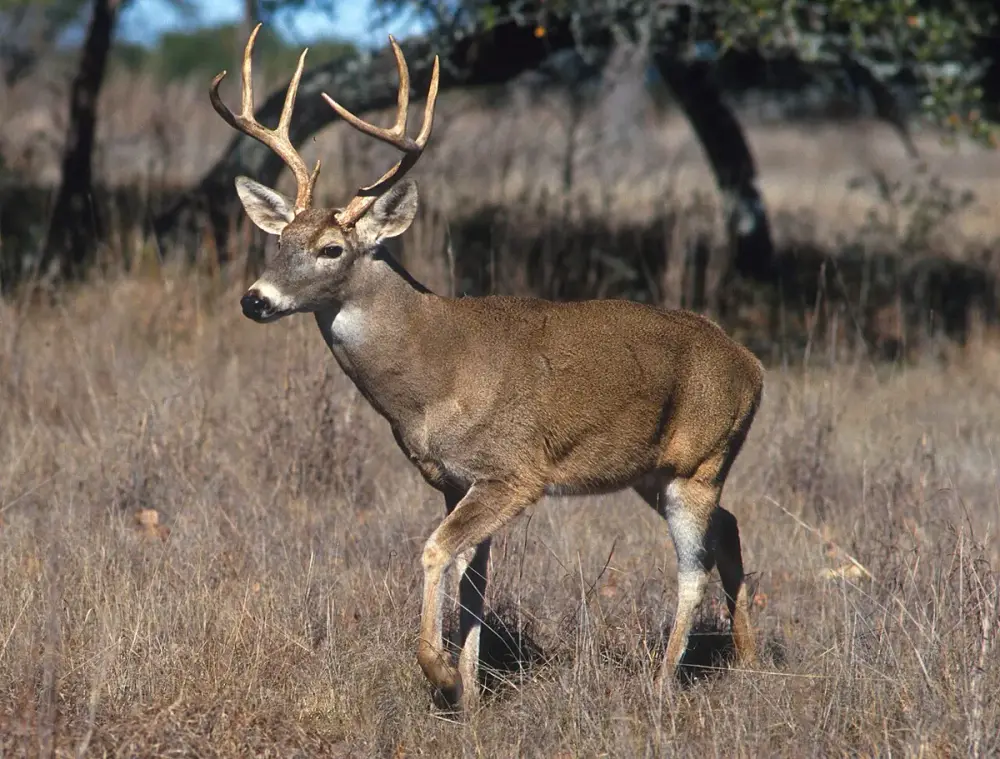
- White-tailed deer, which are most active at dawn and dusk and rest at intervals through the day and night.
- Bobcats, which are mostly active during twilight.
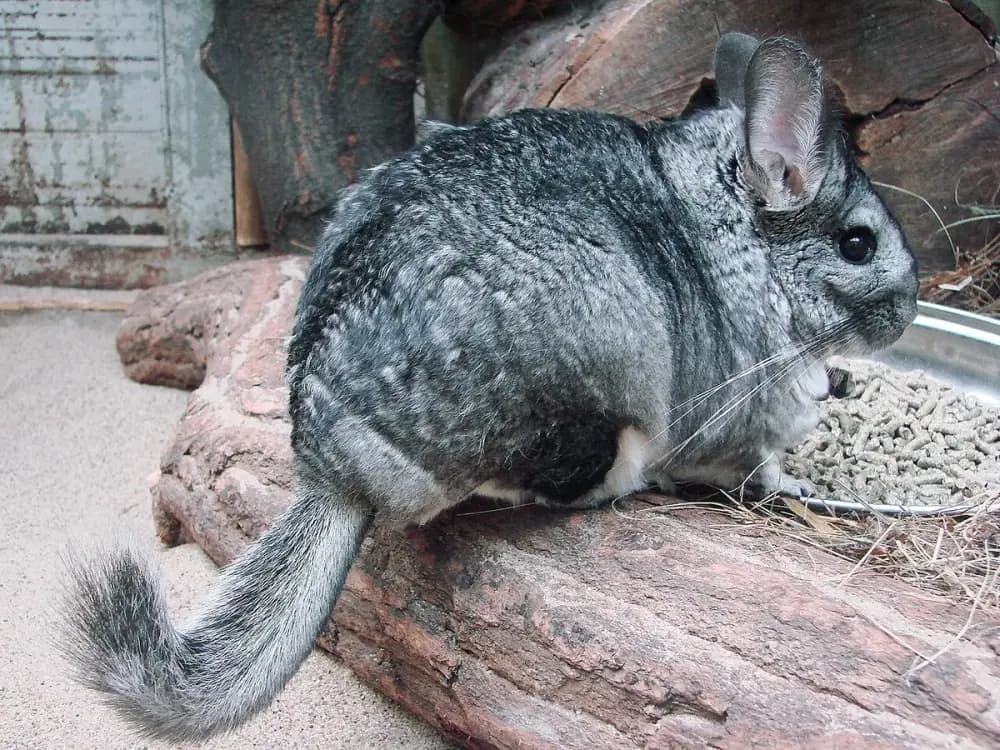
- Chinchillas, crepuscular rodents native to the Andes.
- Red pandas, which are active at twilight and at night.
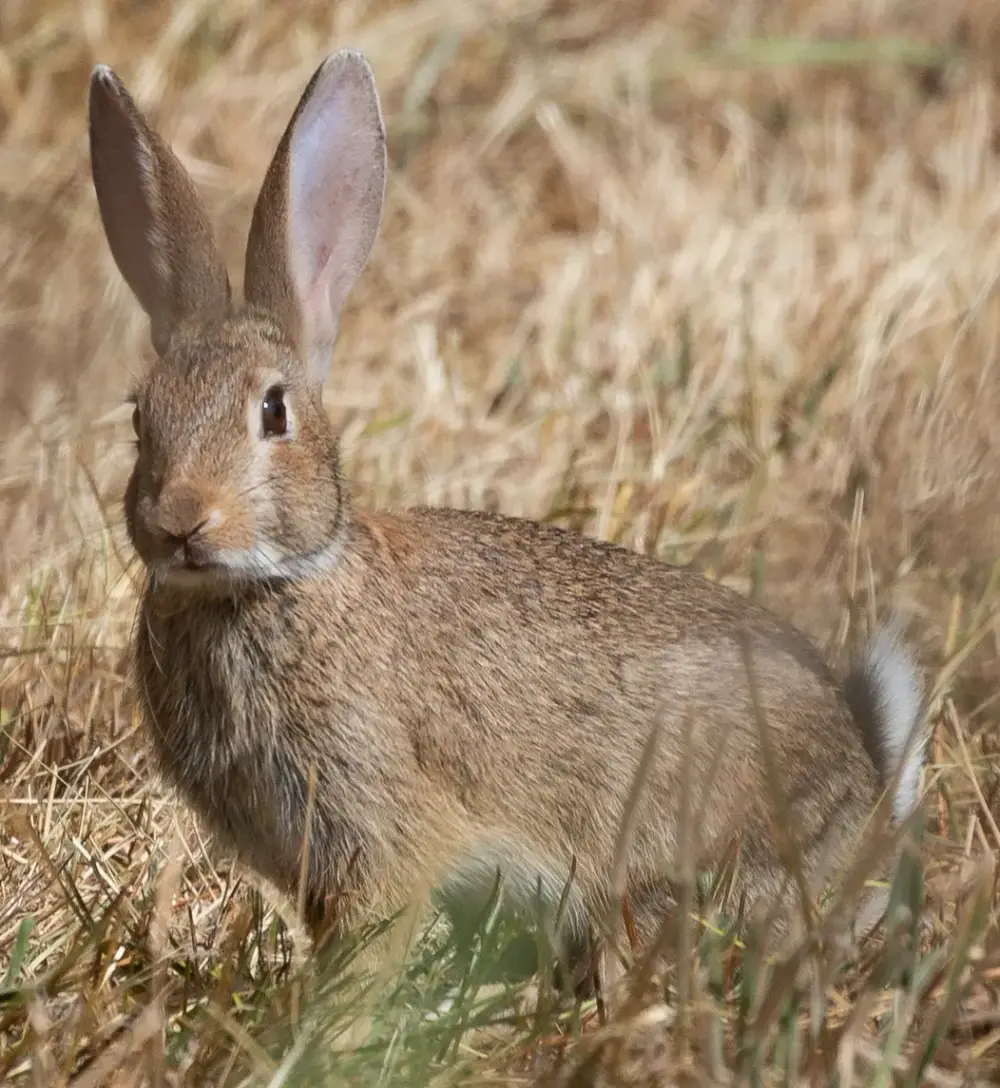
- Rabbits, along with many other small mammals such as hamsters and some squirrels.
Some birds are crepuscular too, including the common nighthawk, the barn owl and the American woodcock.
What it means for your zoo visit
Most zoos open after sunrise and close before dark, so you'll catch only the edges of a crepuscular animal's active time. To improve your odds:
- Be there at opening. The first hour is the closest you'll get to dawn activity.
- Stay late. Many animals start stirring again in the late afternoon, especially in summer.
- Watch for after-hours events. Some zoos host evening or seasonal night events, which can be a great time to see twilight-active species.
- Visit on cool or cloudy days, when crepuscular animals may stay active longer.
Find a zoo near you in our zoo directory.
Examples
 USDA photo by Scott Bauer · Public domain
White-tailed Deer
Odocoileus virginianus
 Becker1999 (Paul and Cathy) · CC BY 2.0
Bobcat
Lynx rufus
 Guérin Nicolas ( messages ) · CC BY-SA 3.0
Chinchilla
Chinchilla lanigera
 Sunuwargr · CC BY-SA 4.0
Red panda
Ailurus fulgens
 euqirneto · CC BY 4.0
Domestic Rabbit
Oryctolagus cuniculus
Common questions
What does crepuscular mean?
Crepuscular means active mainly at twilight, the low-light periods around dawn and dusk. The word comes from the Latin crepusculum, meaning twilight.
Are deer crepuscular or nocturnal?
Deer are crepuscular. White-tailed deer, for example, are most active at dawn and dusk and rest at intervals through the day and night.
What is the difference between crepuscular and nocturnal?
Nocturnal animals are active through the night. Crepuscular animals are most active in the twilight hours around sunrise and sunset, though some also move around on bright moonlit nights or dull, overcast days.
When is the best time to see crepuscular animals at the zoo?
Right at opening and in the last hour or so before closing. Those times are closest to dawn and dusk, when crepuscular animals tend to be most active.
Related terms
- NocturnalA nocturnal animal is one that is active mainly at night and sleeps or rests during the day. Owls, raccoons, opossums, most bats and many desert animals are nocturnal.
- DiurnalA diurnal animal is one that is active mainly during the day and sleeps or rests at night. Most primates, including humans, are diurnal, as are most birds and many reptiles.
- Animal enrichmentAnimal enrichment is anything zookeepers add to an animal's surroundings or routine to encourage natural behaviors, such as foraging, exploring and problem-solving. It includes puzzle feeders, new scents, toys, habitat changes and social time, and it is a core part of good animal welfare.
Sources
Last reviewed
Get the Feather & Fang newsletter
Zoo news, animal features and what's new in the directory. Occasional, never spammy.