
Animal behavior
Diurnal
Also called diurnality, day-active, diurnal animal
Definition
A diurnal animal is one that is active mainly during the day and sleeps or rests at night. Most primates, including humans, are diurnal, as are most birds and many reptiles.
On this page
What "diurnal" means
A diurnal animal is active mainly during the day and sleeps or rests at night. The behavior is called diurnality. It's the opposite of nocturnal.
Biologists sort animals into a few activity patterns:
- Diurnal: active during the day
- Nocturnal: active at night
- Crepuscular: most active at dawn and dusk
- Cathemeral: active at irregular times, day or night, like lions and fossas
Why some animals are active by day
When an animal is active depends on things like temperature, predators, and whether it finds food by sight. Daylight favors animals that rely on vision:
- Most primates are diurnal, including humans. Most monkeys and apes see in full color, a trait that's most useful in daylight.
- Most birds, including hawks, eagles and songbirds, are diurnal.
- Many reptiles are active by day because they warm up by basking in the sun.
Light is the strongest signal for an animal's internal clock, or circadian rhythm, which tells its body when to be awake.
Diurnal animals you can see at the zoo
Popular diurnal zoo animals include:
- Meerkats, which are active by day, mostly in the early morning and late afternoon, and duck into burrows to escape the afternoon heat.
- Ring-tailed lemurs, which are strictly diurnal, unlike many other lemurs.
- Gorillas and orangutans, which build fresh nests to sleep in each night. Orangutans often rest at midday and travel again in the late afternoon.
- Birds of prey such as the bald eagle.
Diurnal doesn't mean busy all day
Even day-active animals take breaks. Many are most active in the cooler morning and late afternoon and rest during the hottest part of the day, especially in summer. A diurnal animal napping at 2 p.m. is perfectly normal.
What it means for your zoo visit
- Arrive early. The first hour or two after opening is often the liveliest time of day, especially on hot days.
- Plan around the weather. On cool or overcast days, animals may stay active longer.
- Catch scheduled activities. Keeper talks, training sessions and enrichment are timed for when visitors can see animals engaged.
- Save indoor exhibits for midday. Reptile houses, aquariums and nocturnal buildings are good stops while outdoor animals rest.
Find a zoo to visit in our zoo directory.
Examples
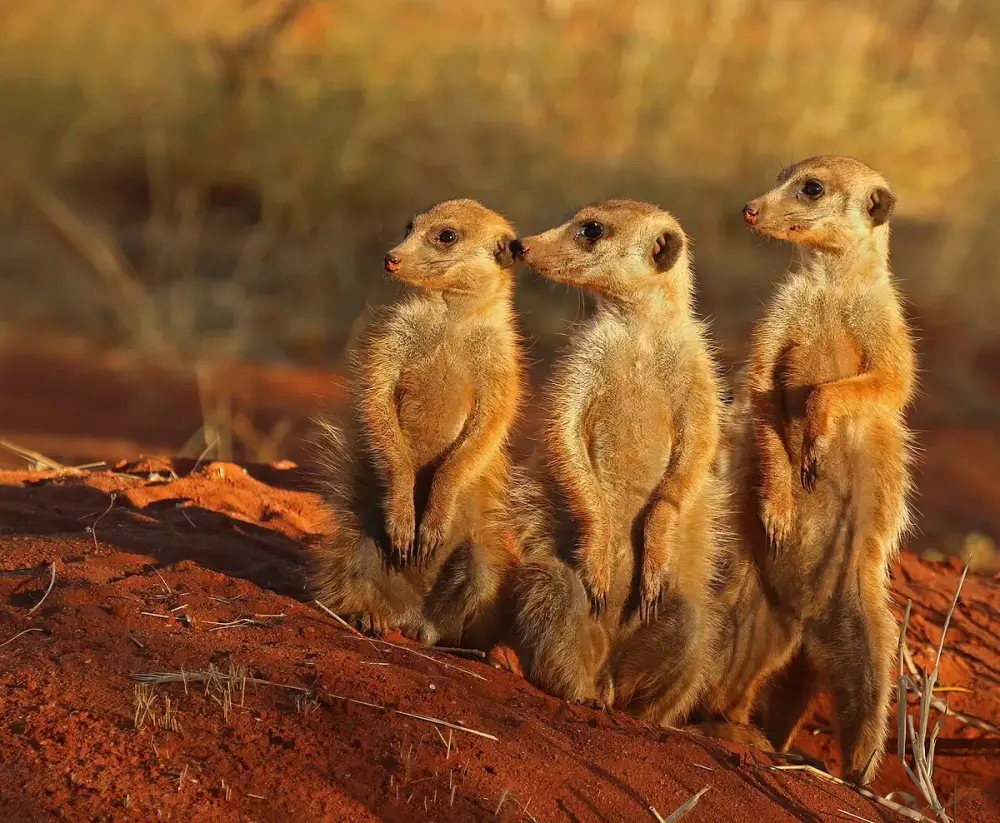 Charles J. Sharp · CC BY-SA 4.0
Meerkat
Suricata suricatta
 Charles J. Sharp · CC BY-SA 4.0
Ring-tailed Lemur
Lemur catta
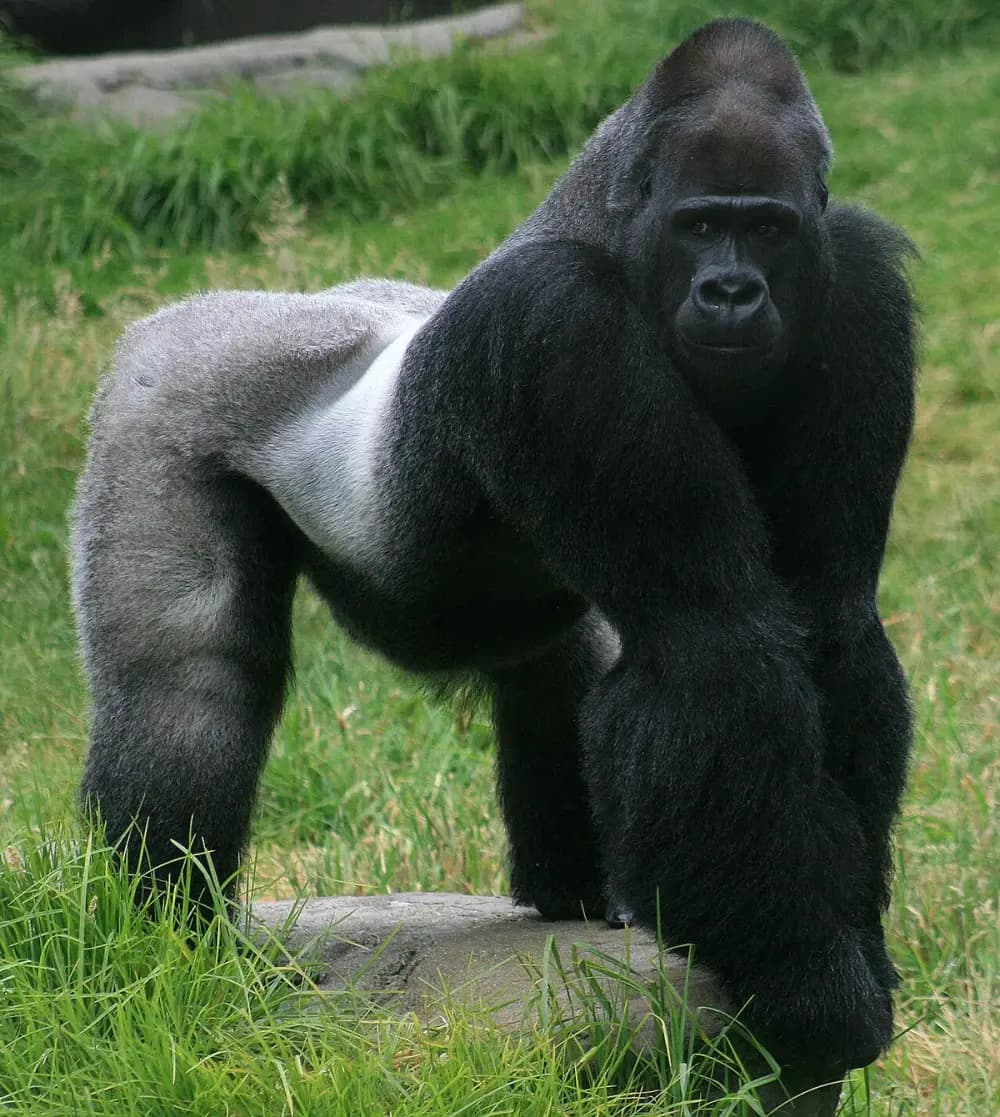 Brocken Inaglory · CC BY-SA 3.0
Gorilla
Gorilla gorilla
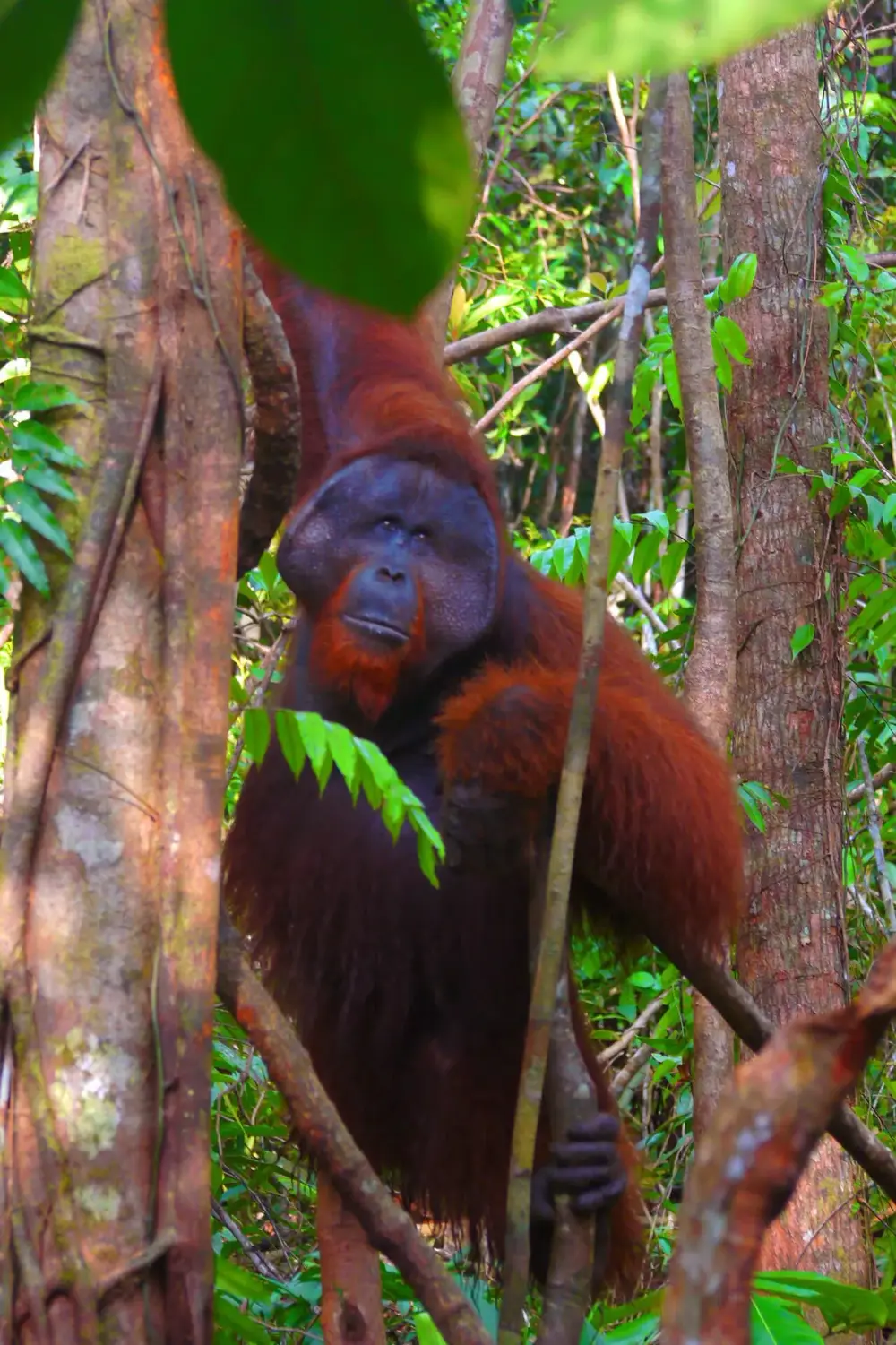 Nanosanchez · CC BY-SA 4.0
Orangutan
Pongo pygmaeus
 Andy Morffew from Itchen Abbas, Hampshire, UK · CC BY 2.0
Bald Eagle
Haliaeetus leucocephalus
Common questions
What does diurnal mean for an animal?
It means the animal is active mainly during daylight hours, when it feeds, travels and socializes, and sleeps or rests at night.
What is the difference between diurnal and nocturnal?
Diurnal animals are active during the day and rest at night. Nocturnal animals do the opposite: they're active at night and rest during the day.
Are humans diurnal?
Yes. Humans, like most primates, are diurnal. We rely heavily on vision and see in color, which works best in daylight.
What is the best time to see diurnal animals at the zoo?
Morning is usually best. Many diurnal animals are most active in the first few hours after sunrise and again in the late afternoon, and tend to rest during the hottest part of the day.
Related terms
- NocturnalA nocturnal animal is one that is active mainly at night and sleeps or rests during the day. Owls, raccoons, opossums, most bats and many desert animals are nocturnal.
- CrepuscularA crepuscular animal is one that is most active during twilight, around dawn and dusk. Deer, rabbits, bobcats, chinchillas and red pandas are examples, and many animals casually called nocturnal are actually crepuscular.
- Animal enrichmentAnimal enrichment is anything zookeepers add to an animal's surroundings or routine to encourage natural behaviors, such as foraging, exploring and problem-solving. It includes puzzle feeders, new scents, toys, habitat changes and social time, and it is a core part of good animal welfare.
- Mixed-species exhibitA mixed-species exhibit is a zoo habitat where two or more species live together, such as giraffes, zebras and antelope on an African savanna, or many bird species in one aviary. Done well, it creates a larger, more natural and more stimulating home for the animals.
Sources
Last reviewed
Get the Feather & Fang newsletter
Zoo news, animal features and what's new in the directory. Occasional, never spammy.