
- Admission
- $24
- Opened
- 1825
- Accreditation
- None listed
not accredited by the Association of Zoos and Aquariums
Everything below is directory information drawn from public sources and the zoo's own site.
Animals at EcoTarium
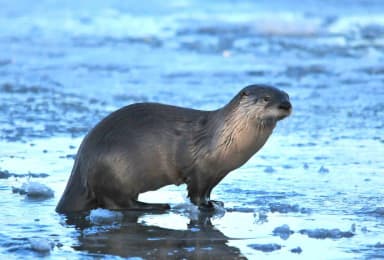
9 confirmedMammals2
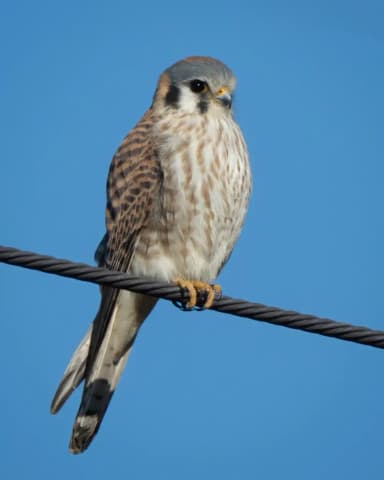
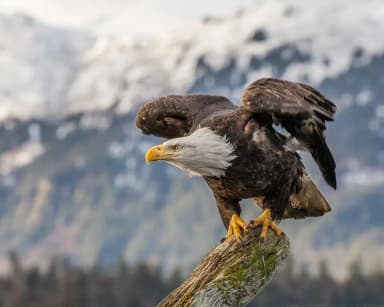
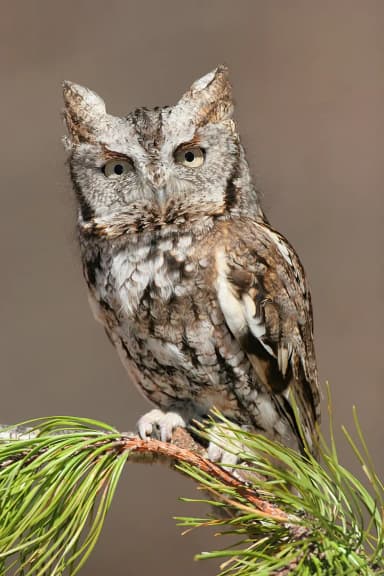
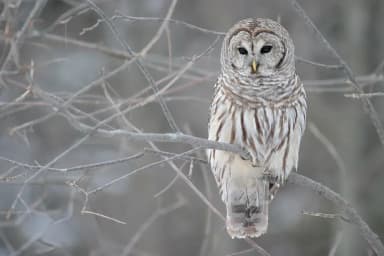
Birds5
Feathers & Fangs from visitors
What people who've been to EcoTarium say
A Feather is something this zoo does well; a Fang is something it gets wrong. Left by people who've been, and read by us before they appear.
Loading…
About EcoTarium
The EcoTarium is a science and nature museum in Worcester, Massachusetts, built around three floors of indoor interactive exhibits, live animal habitats, a digital planetarium, and a 45-plus acre outdoor campus of forest and meadow nature trails. It is not AZA accredited. The institution's roots go back to 1825, making it one of the older natural history organizations in the country, and its permanent home since 1971 has been a building designed by architect Edward Durell Stone on land donated in Worcester.
The EcoTarium blends a traditional science-center model with an outdoor wildlife component. Visitors move between indoor exhibit halls covering topics such as urban science, regional weather and geology, and freshwater habitats, and outdoor areas holding live animals including mountain lions and native bird species. A seasonal narrow-gauge train, the Explorer Express, circles the grounds, and two ponds on the property offer additional space for observing wildlife.
The museum describes its collection as more than 50,000 natural history specimens, drawn on for rotating display alongside its living animals. Its mission, as the organization currently states it, is to inspire a passion for science and nature, and its programming — from an outdoor Nature Explore play area to a monthly astrophysics speaker series in the planetarium — is built to serve a broad family audience rather than a single age group.
History
The EcoTarium's lineage begins with the Worcester Lyceum of Natural History, founded in 1825 by a group of 14 men to foster appreciation and understanding of the natural world. The Worcester Lyceum later combined with the Natural History Department of the Young Men's Library Association to form the Worcester Lyceum and Natural History Society, which in turn became the Worcester Natural History Society. The museum's first dedicated exhibit space, the Natural History Rooms on the third floor of the Worcester Bank Block on Foster Street, drew 250 people to its grand opening.
Through the following century the collection and organization moved several times and changed names repeatedly: to the Old Edwin Conant Mansion in 1891, to the Frederick Daniels House and Rice House in 1954, and finally in 1971 to a new, purpose-built facility on 60 acres of donated land designed by Edward Durell Stone. That 1971 move also brought a new name, the Worcester Science Center, later changed to the New England Science Center in 1986 and to the EcoTarium in 1998, when the museum began a two-year, $18 million expansion and renovation.
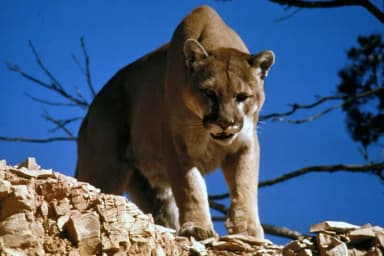
The museum's history includes a long-running polar bear program: Ursa Minor and Ursa Major gave birth to Kenda, the first polar bear born and raised in New England, and Kenda lived at the museum until being euthanized in June 2011 after developing kidney disease. The polar bear habitat was later transformed into Wild Cat Station, home to a brother-and-sister pair of mountain lions rescued as emaciated, orphaned kittens from Half Moon Bay, California, and transported with help from the Oakland Zoo and Massachusetts Division of Fisheries and Wildlife. Their names, Salton and Freyja, came from a charity auction and a public vote respectively. More recently, the museum undertook a multi-year "Third Century Plan," a $9.1 million effort begun in 2016 to fund exhibit and infrastructure improvements, including a new mechanical plant and an upgraded Explorer Express Train, and it closed for roughly a year starting in March due to the Covid-19 pandemic.
Exhibits and habitats
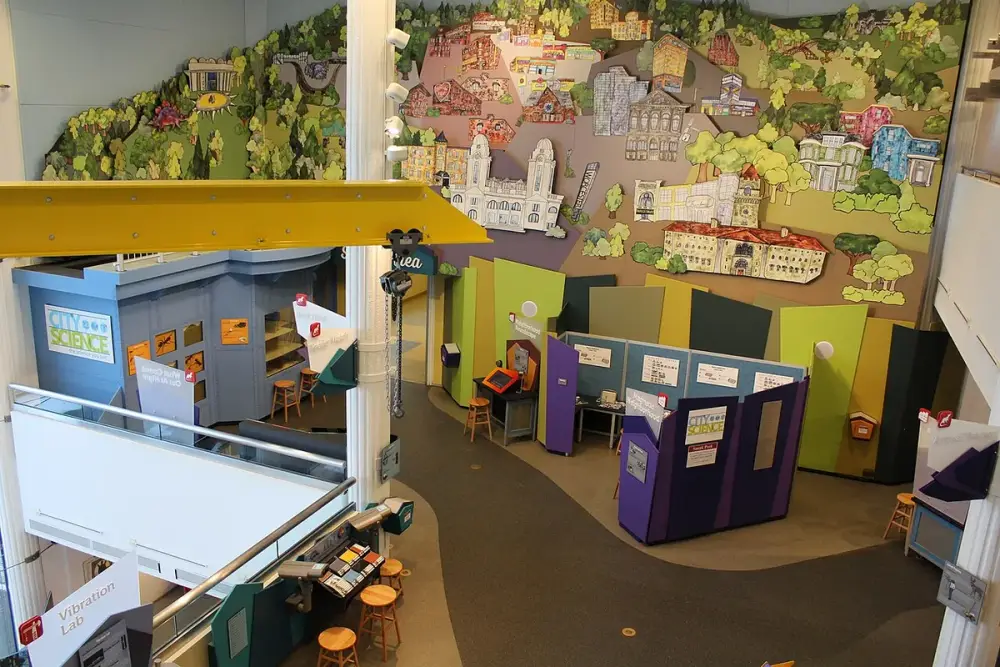
Indoor exhibits at the EcoTarium include The Arctic Next Door: Mount Washington, which explores the extreme weather and geology of the White Mountains; City Science: The Science You Live, an interactive look at the science embedded in everyday urban life; and displays covering New England's freshwater habitats, from woodland streams and bogs to ponds and marshes. The Mineral Dome displays 100 rare crystals and stones beneath hand-painted skylights, and a recreated 1820s natural history curator's office lets visitors handle real seashells, gems, fossils, and bones.
Outdoors, Wild Cat Station is built around the museum's two mountain lions, using grass, trees, and rocky alcoves to let the animals climb, scratch, and jump much as they would in the wild, with multiple visitor viewing angles around the exhibit. The Animal Corner building in the museum's Lower Courtyard houses several native animal species visitors rarely encounter in the wild. Nature Explore is a themed outdoor play area with several distinct zones built around building, digging, nature art, climbing, and music. The seasonal Explorer Express Train, pulled by a replica of an 1863 C.P. Huntington steam locomotive and rebranded in partnership with the Worcester Railers hockey club, takes visitors on a scenic twelve-minute loop of the grounds, typically running from April through December.
Beyond the built exhibits, the property includes scenic trails through meadow, pond, and forest environments, plus two ponds — upper and lower — that the museum highlights as year-round spots for observing wildlife.
Animal highlights
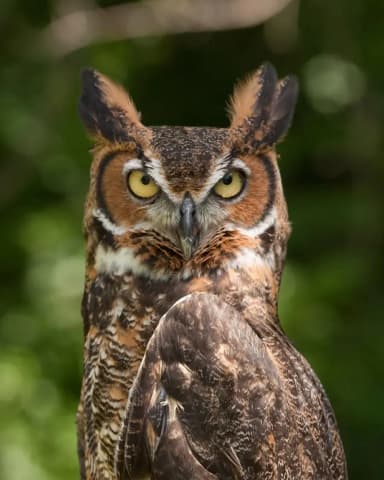
The EcoTarium does not publish a specific species count, so this section relies on what the museum's own materials describe rather than a set figure. Its outdoor living collection centers on two mountain lions at Wild Cat Station, along with several native bird species integrated into that same exhibit, including owls, turtles, and bald eagles mentioned elsewhere on the grounds. The Animal Corner building adds further native species that are typically hard to observe in the wild. Snowy owl and bald eagle aviaries were among the attractions added during an earlier expansion of the museum's outdoor offerings.
Planning your visit
As listed on the EcoTarium's website, general hours run 10:00 am to 5:00 pm, with admission ticket sales closing at 4:00 pm daily; outside grounds close earlier, at 4:00 pm, for safety reasons tied to early sunset in colder months. The museum offers a range of admission discounts, including for EBT and WIC cardholders, Wonderfund cardholders, seniors, students, active-duty military through the Blue Star Museums program, and Bank of America cardholders on the first weekend of each month. Group rates are available for parties of ten or more with advance reservation.
Parking is free and the museum says it is conveniently located near major highway routes, including I-290 and I-90. A prepared-food café operates seasonally, supplemented by a Trailhead Café outdoors in warmer months and vending in the Hirsh Center during colder ones; picnic tables are scattered around the grounds for visitors who bring their own food, though the museum does not serve dinner on site. Same-day re-entry is allowed with an original admission receipt. The museum notes that its property is nature-based with uneven ground, so visitors should watch their step, and hand sanitizer is available throughout the building. The Museum Shop, on the upper level, offers a 10 percent discount to members and is accessible without paying general admission for those who only want to shop.
Because hours, exhibits, and ticket pricing all change over time, confirm current details on the EcoTarium's official website before visiting.
What we haven't confirmed
Everything above came from public sources. These specifics we haven't stood behind yet:
- Ticket prices
- Total number of species and animals in the collection
- AZA accreditation status
- Total acreage
- Annual visitor count
EcoTarium compared with nearby zoos
How EcoTarium lines up against the closest zoos we have details for — useful if you're deciding between them for the same day out.
| Zoo | Distance | Admission | Hours | Size | AZA |
|---|---|---|---|---|---|
| EcoTariumThis zooWorcester, MA | — | $24 | 10:00 am – 5:00 pm | — | No |
| Southwick's ZooMendon, MA | 17 mi | — | — | 300 acres | No |
| Franklin Park ZooBoston, MA | 35 mi | — | October – November 8: daily 9:00 AM – 4:00 PM; last ticket sold one hour before closing. Boston Lights nightly 5:00–10:30 PM (separate event). Closed Thanksgiving Day, Christmas Day. | 72 acres | Yes |
| Museum of ScienceBoston, MA | 36 mi | $33 | 9:00 am – 5:00 pm | — | Yes |
Distances are straight-line. A dash means we haven't confirmed that detail yet, not that the zoo lacks it.
AZAThe Association of Zoos and Aquariums. Accredited members have passed an independent inspection of animal care and welfare, safety, conservation and education, repeated every five years. Many smaller facilities never apply, so “not accredited” isn't a verdict on its own. What accreditation means · How we check this
EcoTarium: common questions
Is the EcoTarium AZA accredited?
No, the EcoTarium is not AZA accredited.
When did the EcoTarium's history begin?
Its roots trace to 1825, when the Worcester Lyceum of Natural History was founded; the organization has changed names and locations several times since.
How big is the outdoor campus?
The museum describes its grounds as a 45-plus acre campus, with an original 1971 building sited on 60 acres of donated land.
What can I see outdoors?
Wild Cat Station's two mountain lions, native bird species, a seasonal train ride, walking trails, and two ponds.
Is there a planetarium?
Yes, the Alden Planetarium offers daily shows and a monthly astrophysics speaker series.
Is parking free?
Yes, parking is free at the EcoTarium.
Is there food available on site?
Yes, a café operates with seasonal hours, alongside vending machines and picnic areas; the museum does not serve dinner.
Something wrong here? Tell us — we correct in place, with a dated note.