
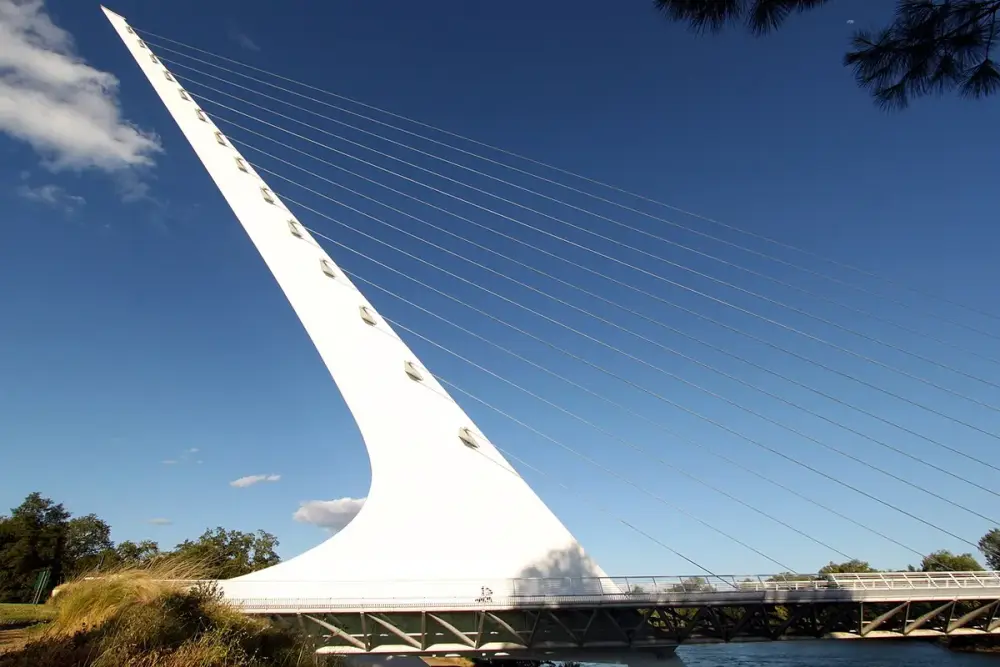
Turtle Bay Exploration Park
Redding, CA
Prayitno / Thank you for (9 millions +) views from Los Angeles, USA · CC BY 2.0
- Admission
- $22
- Size
- 300 acres
- Accreditation
- None listed
not accredited by the Association of Zoos and Aquariums
Everything below is directory information drawn from public sources and the zoo's own site.
Animals at Turtle Bay Exploration Park
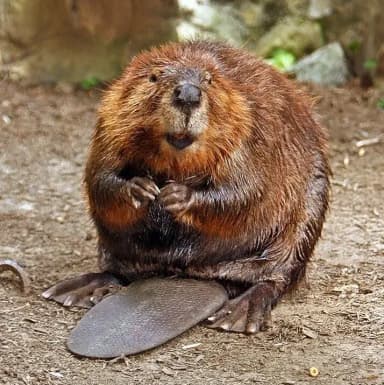
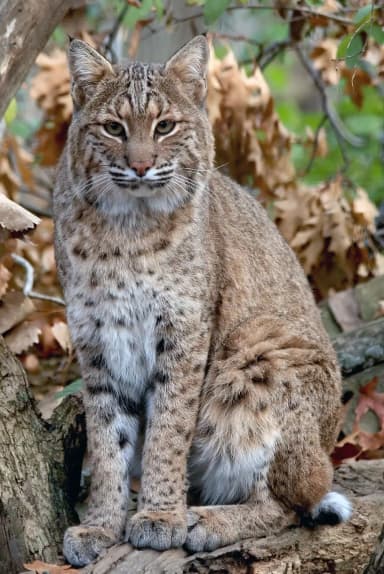
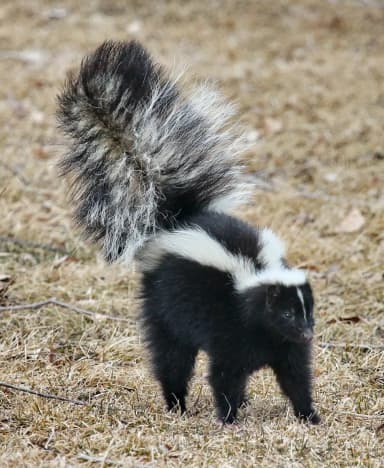
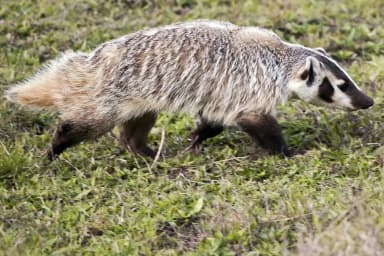
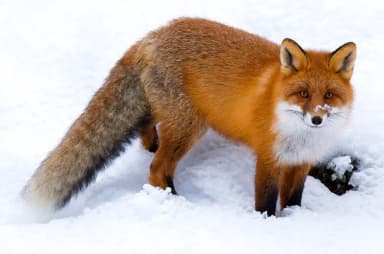
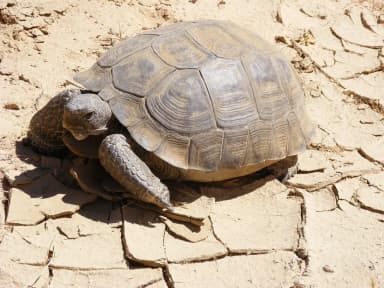
9 confirmedMammals5
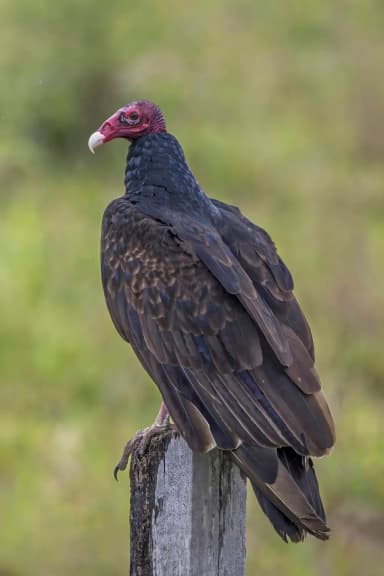
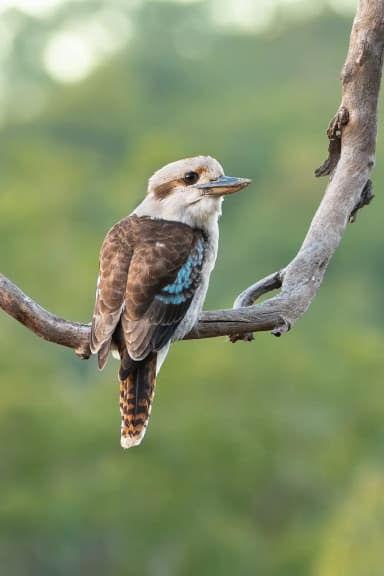
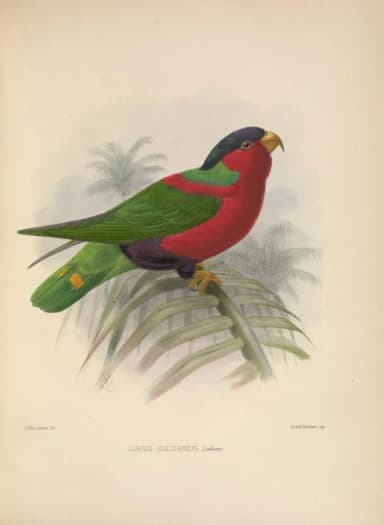
Birds3
Feathers & Fangs from visitors
What people who've been to Turtle Bay Exploration Park say
A Feather is something this zoo does well; a Fang is something it gets wrong. Left by people who've been, and read by us before they appear.
Loading…
About Turtle Bay Exploration Park
Turtle Bay Exploration Park is a nonprofit cultural and natural history park spread across roughly 300 acres along the banks of the Sacramento River in Redding, California. It combines a museum, an arboretum and botanical gardens, and a forestry and wildlife center, connected by the Sundial Bridge — a 700-foot, 23-foot-wide footbridge designed by architect Santiago Calatrava — at the gateway to the Sacramento River Trails. The park is not accredited by the Association of Zoos and Aquariums; its living-animal component sits alongside museum exhibits and gardens rather than functioning as a stand-alone zoo. Turtle Bay is organized as a 501(c)(3) nonprofit, and its stated mission is to inspire wonder, exploration, and appreciation of the natural and cultural world through its museum, gardens, and wildlife exhibits.
Turtle Bay describes itself as featuring more than 50 living animal species alongside roughly 35,000 historical artifacts, with almost 300 acres to explore and nearly 10 miles of pathways and trails across the property. The park is built around three main components: the Turtle Bay Museum, the McConnell Arboretum & Botanical Gardens, and Paul Bunyan's Forest Camp, an outdoor education center focused on Northern California's forests, wildlife, and logging history.
History
The McConnell Arboretum & Botanical Gardens, also known as the Redding Arboretum, opened on May 30, 2005, spanning 300 acres that include 200 acres of undeveloped arboretum and 20 acres of cultivated botanical garden straddling the Sacramento River. Its principal collection, the Mediterranean Climate Gardens, groups plants from five Mediterranean-climate regions of the world — the Mediterranean Basin, South Africa, Chile, southern and western Australia, and California west of the Sierra Nevada — alongside a children's garden, a butterfly garden, and other specialty gardens. Detailed history for the rest of the park, including when the museum and Forest Camp opened, was not available in the material used for this page.
Exhibits and habitats
The Turtle Bay Museum holds permanent and changing exhibits on the area's natural history, cultural history, art, and science, including a tank for viewing fish underwater, a recreation of a Native American bark house tied to the museum's programs on the Wintu people, and hands-on science displays and art installations.
Paul Bunyan's Forest Camp is an outdoor education center modeled on an old-time logging camp. Its Mill Building displays exhibits on Northern California's forests and local wildlife, including live animals, while outdoor sections cover the region's timber and logging industries and its railroads. The Forest Camp also includes outdoor play equipment, a water feature, an amphitheater that hosts a seasonal animal show, and a seasonal aviary and butterfly house.
The McConnell Arboretum & Botanical Gardens contribute the park's plant collections, anchored by the Mediterranean Climate Gardens and rounded out with a children's garden, a butterfly garden, and other specialty plantings across 300 acres of developed and undeveloped grounds. Connecting these areas is the Sundial Bridge, a 700-foot pedestrian bridge designed by Santiago Calatrava that spans the Sacramento River and doubles as a functioning sundial.
Animal highlights
No structured species list is available for Turtle Bay, but the park describes its living collection as more than 50 animal species, housed across indoor exhibits in the museum and the Forest Camp's Mill Building, as well as in a seasonal aviary and butterfly house. The park's materials do not name individual species beyond noting that the surrounding trails and gardens are also home to wild rattlesnakes, deer, and birds of prey, which visitors are asked not to approach or feed. Paul Bunyan's Forest Camp additionally hosts a seasonal amphitheater animal show as part of its programming.
Planning your visit
Turtle Bay Exploration Park sits at 844 Sundial Bridge Drive in Redding. Admission, as listed on the museum's FAQ, runs $22 for adults, $18 for children ages 4 to 15, and $18 for seniors 65 and up, with children ages 0 to 2 admitted free; accessible rate discounts are also available. Because prices and hours can change, confirm current admission on the official website before visiting.
Parking is available near the Sundial Bridge, with overflow lots for RVs, trailers, and school buses; a roundabout near the museum can be used for drop-offs. Complimentary wheelchair and stroller rentals are offered on a first-come, first-served basis during park hours, and all restrooms across the property are wheelchair accessible. Leashed dogs are permitted in the McConnell Arboretum & Botanical Gardens, but only service animals meeting ADA and AZA guidelines are allowed inside the Museum and Paul Bunyan's Forest Camp.
Food is available at the Branch House Riverfront Bistro near the entrance, which serves beverages, sandwiches, salads, pastries, and snacks, along with a nearby full-service restaurant at the adjacent Sheraton hotel; picnics are welcome in the Botanical Gardens and Forest Camp. Redding's summers regularly exceed 100 degrees, and the park suggests visiting outdoor areas like the Forest Camp in the morning and saving the air-conditioned museum for the hottest part of the day. Visitors 15 and younger must be accompanied by an adult. Confirm all current hours, prices, and accessibility details on Turtle Bay's official website before you go.
What we haven't confirmed
Everything above came from public sources. These specifics we haven't stood behind yet:
- Year the park opened
- Total animal count
- Precise species count
- Hours of operation
Turtle Bay Exploration Park compared with nearby zoos
How Turtle Bay Exploration Park lines up against the closest zoos we have details for — useful if you're deciding between them for the same day out.
| Zoo | Distance | Admission | Hours | Size | AZA |
|---|---|---|---|---|---|
| Turtle Bay Exploration ParkThis zooRedding, CA | — | $22 | — | 300 acres | No |
| Sequoia Park ZooEureka, CA | 94 mi | $27 | Winter (Oct–Mar): Tue–Sun 10:00 AM – 5:00 PM, last entry 4:30 PM; closed Mondays. Closed Christmas Day. Early close Sat Oct 10, 2026 (3:00 PM, last entry 2:30 PM) for OktoBEARfest. | 60 acres | Yes |
| Great Cats World ParkCave Junction, OR | 126 mi | $22 | After Labor Day: Mon, Wed–Fri 11:00 AM – 3:00 PM; Sat–Sun 11:00 AM – 4:00 PM; closed Tuesdays. Last guided tour starts about 1:30 PM. | — | No |
| B Bryan PreservePoint Arena, CA | 135 mi | $25 | Open by reservation only, two tour times per day: 10:00 AM (Self-Guided Car Safari, 60 min, or Private Tour, 90 min) and 3:30 PM (Guided Land Rover Safari, 75 min). Giraffe Painting 1:30 PM on the first Saturday of each month. No drop-in visits. | — | No |
Distances are straight-line. A dash means we haven't confirmed that detail yet, not that the zoo lacks it.
AZAThe Association of Zoos and Aquariums. Accredited members have passed an independent inspection of animal care and welfare, safety, conservation and education, repeated every five years. Many smaller facilities never apply, so “not accredited” isn't a verdict on its own. What accreditation means · How we check this
Turtle Bay Exploration Park: common questions
Is Turtle Bay Exploration Park AZA accredited?
No, it is a nonprofit cultural and natural history park rather than an AZA-accredited zoo.
How big is it?
It spans roughly 300 acres along the Sacramento River, with nearly 10 miles of pathways and trails.
What does admission cost?
As listed on the park's FAQ, adult tickets are $22, children ages 4 to 15 and seniors are $18, and children under 2 are free — check the official site for current pricing.
What animals can you see?
The park describes more than 50 living animal species across its museum, Forest Camp, and seasonal aviary and butterfly house.
Is there parking?
Yes, near the Sundial Bridge, with overflow lots for RVs, trailers, and school buses.
Is it stroller and wheelchair accessible?
Complimentary wheelchair and stroller rentals are available first-come, first-served, and all restrooms are wheelchair accessible.
Is there food on-site?
Yes, the Branch House Riverfront Bistro is near the entrance, and a full-service restaurant is available at the adjacent hotel.
Something wrong here? Tell us — we correct in place, with a dated note.