
Wild Hearts African Farm
Lewisburg, OH
- Admission
- $14
- Accreditation
- None listed
not accredited by the Association of Zoos and Aquariums
Everything below is directory information drawn from public sources and the zoo's own site.
Animals at Wild Hearts African Farm
1 confirmed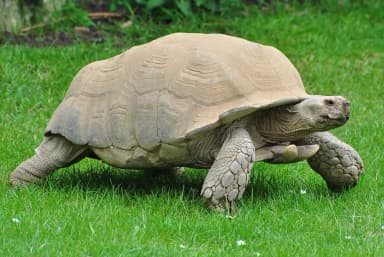
Feathers & Fangs from visitors
What people who've been to Wild Hearts African Farm say
A Feather is something this zoo does well; a Fang is something it gets wrong. Left by people who've been, and read by us before they appear.
Loading…
About Wild Hearts African Farm
Wild Hearts African Farm is a nonprofit zoo, farm, and arboretum in Lewisburg, Ohio, in Preble County. Its visitor entrance is at 7010 Jordan Road. The organization describes itself as a unique farm where visitors learn about animals from all over the world, and its mission statement is to make a positive impact on wildlife conservation both locally and globally through educational experiences. Its website states three focus areas, Conservation, Education, and Community, and says a portion of admission revenue supports conservation of threatened and endangered species and habitats. The legal name is the Wild Hearts Zoological Society, according to its FAQ.
The farm states that it bridges animal conservation with land stewardship and emphasizes the role farmers play in protecting ecosystems. It is operated by volunteers and board members. Amanda Badger is listed as president, founder, and director, and Dr. Chelsea Staab as vice president. The farm is not accredited by the Association of Zoos and Aquariums. It states that it holds USDA licensing and American Humane Certified status, and Amanda Badger has been a professional member of the Zoological Association of America since 2015, according to the FAQ.
History
The farm’s website states that it was founded in 2014. Its origin story page says Amanda Badger, then finishing a master’s degree in zoology, traveled to Namibia in 2015 to study big cat conservation at the Cheetah Conservation Fund, where she met Brian Badger, then the fund’s operations manager. They married in July 2016. The page says Amanda’s vision was to open a wildlife conservation facility in Ohio.
In 2019 the farm became what it describes as the first American Humane Certified zoo in Ohio, with a certification date of November 4, 2019 given on its Humane Certified page. The certification followed an audit by an independent animal expert, and the page says it covered more than 25 species at the time.
On August 7, 2025, the farm was awarded Level I accreditation as an arboretum by ArbNet and The Morton Arboretum, according to its About page. The farm states that it is the first accredited arboretum in Preble County and is listed in the Morton Register of Arboreta. The page describes its tree collection as a museum for trees, some of which predate the organization.
Exhibits and habitats
The farm says it houses more than 85 animals representing more than 35 species. Its FAQ describes domesticated livestock such as cows, donkeys, and Nigerian dwarf goats, native wildlife such as owls, hawks, and an eagle, and exotic animals such as African tortoises, an African sand cat, African black-backed jackals, porcupines, Patagonian maras, hedgehogs, and bearded dragons. The FAQ also names a capybara, a hornbill, emus, and ducks. An African sulcata tortoise named Mortie and a rabbit named Farmer are listed on the adoption page, and the page says Mortie can be seen in the animal nursery during open hours.
According to the FAQ, admission covers three areas of the Education Center’s zoo. The BaseCamp Barn is an indoor area with reptiles, birds, and small mammals. The EcoDome is an indoor area with the sand cat, capybara, porcupine, and hornbill, among others. The Boma is the outdoor area where most of the animals live. The Wildlife Grove is described as home to rescued wildlife including the bald eagle, red-tailed hawks, a turkey vulture, a barred owl, and Patagonian maras, with a pond fish feeding area. Guided Wildlife Grove Hikes, offered for an additional fee, cover a short hike from the Boma to the grove.
The FAQ says the farm does not house and does not plan to house dangerous animals such as lions, tigers, or bears. Visitors are encouraged to feed and touch some animals, though not every animal is touchable; the FAQ lists maras, tortoises, goats, emus, ducks, and lizards among the animals that can be touched. The farm also lists crops it currently produces, including hay, corn, apples, hibiscus flowers, and naturally shed porcupine quills.
Conservation and programs
Brian Badger is listed as Director of Conservation and Outreach for the Cheetah Conservation Fund. His page says he gives conservation lectures around the world on behalf of the fund, at venues including Disney’s Wild Animal Kingdom, Busch Gardens, the Cincinnati Zoo, the Columbus Zoo, and the Dallas Zoo.
The farm runs a Mobile Teaching Zoo that brings animal presentations to outside groups. It lists three programs. Wild About Wildlife is for audiences under 40 people and features five to six live animals in a 50-minute program. Animal Party features six to seven live animals in a 75-minute program. The Assembly Program is for groups larger than 40 and runs 60 minutes with two to three staff, with no touching for seated audiences.
Other programs include field trips, with a school discount listed for Preble County K-12 field trips of 15 or more participants booked in advance with a deposit during the school year, parties at the zoo for up to 25 guests with a covered picnic area, symbolic animal adoptions that include a certificate, internships, and zoo memberships in several tiers named the Keystone Club, the Golden Hearts Club, and the Director’s Club.
Planning your visit
As listed on the farm’s website, walk-in zoo visits are Friday and Saturday from 11 a.m. to 4 p.m., with last admission at 3 p.m., and no advance reservation is needed during those hours. Online booking is also available. Ticket categories on the website include adults, children, and free admission for children two and under; current prices are on the farm’s website.
The FAQ says parking is free. It lists handicap parking spaces, restrooms, and sidewalks around the Education Center, and notes that the farm property has uneven surfaces. Groups can arrange field trips and parties by calling 937-416-5520 or emailing contact@wildheartsafricanfarm.org.
What we haven't confirmed
Everything above came from public sources. These specifics we haven't stood behind yet:
- Current ticket prices
- Seasonal schedule beyond the fall hours listed
- Whether the farm is open on days other than Friday and Saturday outside of tours
Wild Hearts African Farm compared with nearby zoos
How Wild Hearts African Farm lines up against other zoos in the same state. We don't have coordinates for it yet, so these aren't ranked by distance.
| Zoo | Admission | Hours | Size | AZA |
|---|---|---|---|---|
| Wild Hearts African FarmThis zooLewisburg, OH | $14 | Fall walk-in hours: Friday – Saturday 11:00 AM – 4:00 PM; last admission 3:00 PM. | — | No |
| Akron ZooAkron, OH | $11–$21 | 10 am – 5 pm | 77 acres | Yes |
| Boonshoft Museum of DiscoveryDayton, OH | $16 | Mon–Sat 9:00 AM – 5:00 PM; Sun 12:00 PM – 5:00 PM. Closed Easter, Thanksgiving, Christmas Eve, Christmas Day, New Year's Day. | — | Yes |
| Cincinnati Zoo and Botanical GardenCincinnati, OH | $16–$27 | 10:00am – 5:00pm | 64.5 acres | Yes |
Distances are straight-line. A dash means we haven't confirmed that detail yet, not that the zoo lacks it.
AZAThe Association of Zoos and Aquariums. Accredited members have passed an independent inspection of animal care and welfare, safety, conservation and education, repeated every five years. Many smaller facilities never apply, so “not accredited” isn't a verdict on its own. What accreditation means · How we check this
Wild Hearts African Farm: common questions
When can visitors walk in?
As listed on the website, Friday and Saturday, 11 a.m. to 4 p.m., with last admission at 3 p.m.
Is Wild Hearts African Farm AZA accredited?
No. It is not accredited by the Association of Zoos and Aquariums. The farm states that it is Humane Certified by American Humane and USDA licensed.
Can visitors touch the animals?
Some, according to the FAQ. Touchable animals include maras, tortoises, goats, emus, ducks, and lizards, and not every animal is touchable.
Does the farm keep big cats or bears?
The FAQ states that it does not and does not plan to house animals such as lions, tigers, or bears.
Is parking free?
The farm’s FAQ states that parking is free.
Is Wild Hearts a nonprofit?
Yes. The FAQ states that it is a nonprofit and gives its legal name as the Wild Hearts Zoological Society.
Something wrong here? Tell us — we correct in place, with a dated note.