
- Admission
- —
- Opened
- 1996
- Accreditation
- None listed
not accredited by the Association of Zoos and Aquariums
Everything below is directory information drawn from public sources and the zoo's own site.
Animals at Lemur Conservation Foundation
14 confirmed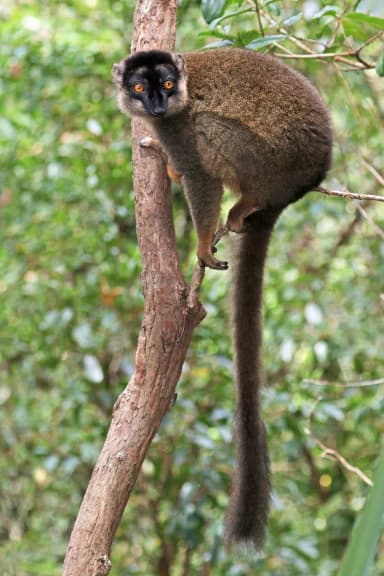
Feathers & Fangs from visitors
What people who've been to Lemur Conservation Foundation say
A Feather is something this zoo does well; a Fang is something it gets wrong. Left by people who've been, and read by us before they appear.
Loading…
About Lemur Conservation Foundation
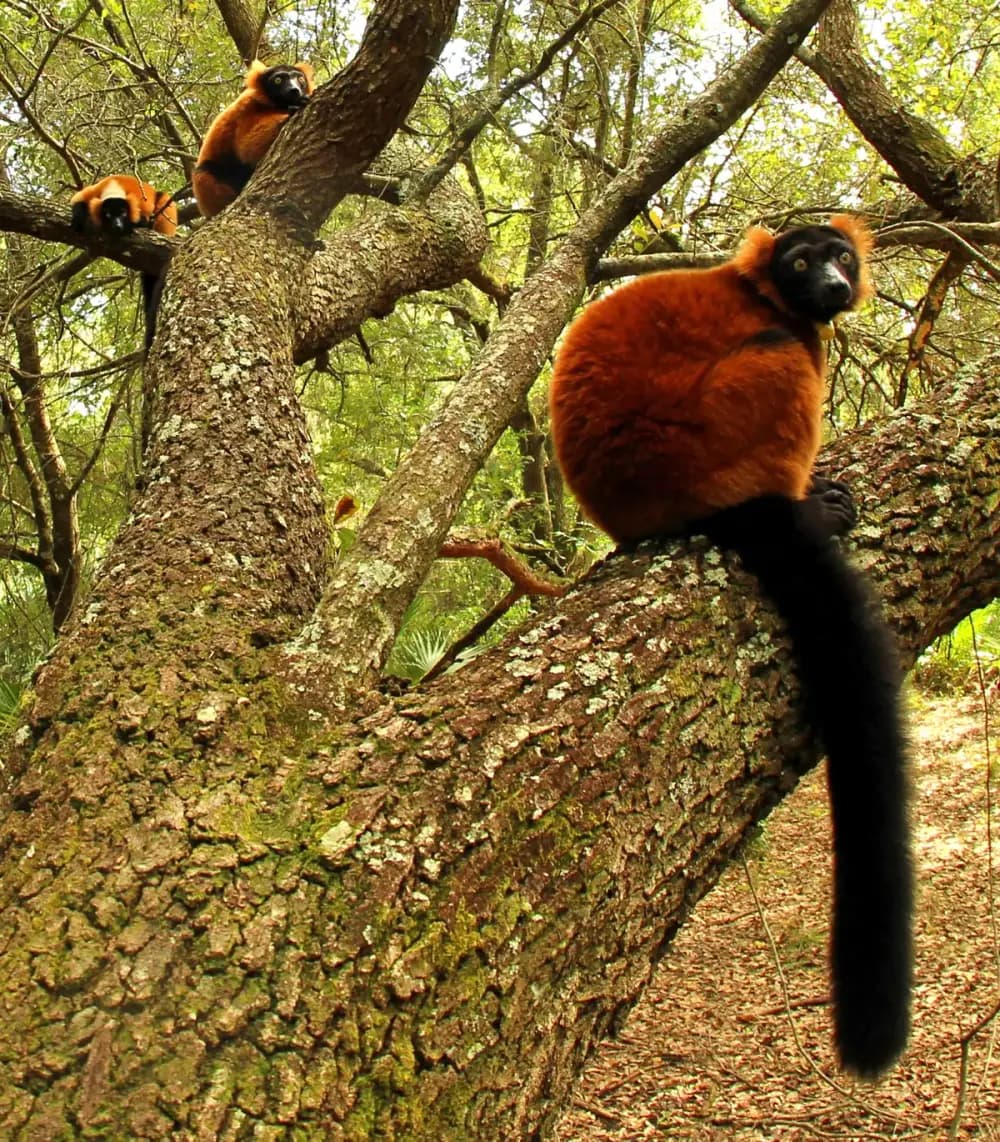
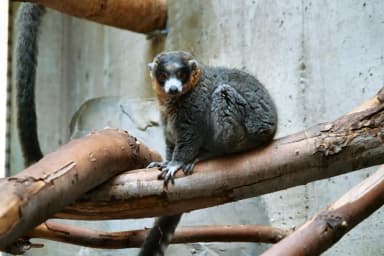
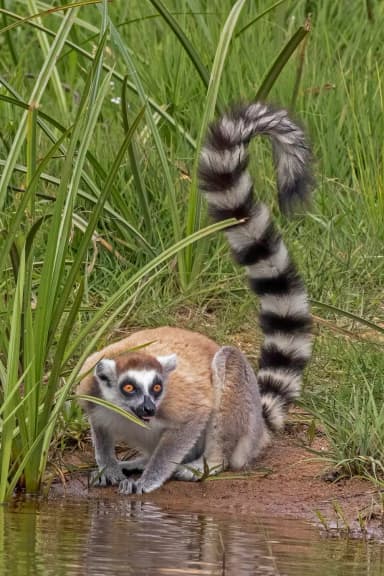
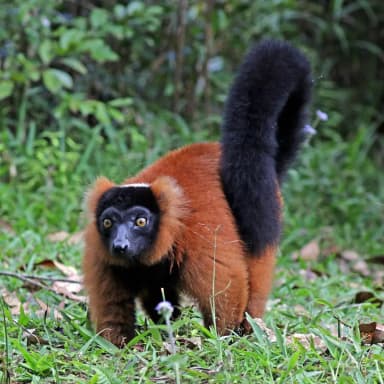
The Lemur Conservation Foundation (LCF) is a non-profit organization dedicated to the preservation and conservation of the primates of Madagascar through managed breeding, scientific research, education, and art. It was founded in 1996 by Penelope Bodry-Sanders, a museum educator at the American Museum of Natural History, under the advisement of paleoanthropologist Ian Tattersall. Its reserve sits in Myakka City, Florida, and is home to more than 50 lemurs across several species, most of which are critically endangered or endangered, including ring-tailed lemurs, red ruffed lemurs, mongoose lemurs, collared brown lemurs, common brown lemurs, and Sanford's lemurs.
LCF is certified by the Association of Zoos and Aquariums as a related facility, a distinct status from full AZA accreditation. As of 2016, the foundation owned more than 120 acres, including two free-range forest habitats of roughly 8 and 13 acres each, with the remaining land serving as native wildlife habitat or a buffer zone around the reserve. The organization also maintains an active office in northeastern Madagascar, where it supports community-based conservation programs focused on habitat protection around the Anjanaharibe-Sud Reserve and Marojejy National Park, and it offers internship opportunities in primate husbandry and research.
The foundation describes its mission as combining a U.S.-based breeding program that serves as a safety net for native lemur populations with direct support for conservation programs in Madagascar, pairing science and education with an ongoing art collection housed on-site.
History
Penelope Bodry-Sanders founded the organization in 1996 as the Lower Primate Conservation Foundation, after being alerted to the lemurs' population decline by her American Museum of Natural History colleague, paleoanthropologist Ian Tattersall. She purchased land in Myakka City, Florida using a $35,000 inheritance and set up camp there in 1997, initially on 30 to 40 acres. After contacting the Duke Lemur Center and receiving assurances that lemurs would be provided to populate a U.S. reserve, the first 11 lemurs arrived from Duke in 1999, and the Myakka City facility held its opening ceremony in 2000. In 2001, the organization was renamed the Lemur Conservation Foundation. The reserve's first birth came in 2002, a mongoose lemur named Alejandro.
By 2005 the reserve had grown into an established conservation and research institution housing about 20 lemurs in a chain-link-fenced section, already used by the University of Miami and New College of Florida for training and research; that summer the reserve completed a larger second enclosure. Separately, in 2001, the foundation partnered with a University of Miami anthropologist to host its first field-school program for college students, and by the end of its first decade LCF had earned its AZA certification as a related facility. Bodry-Sanders served as executive director for LCF's first 14 years, retiring from the role in 2010; she was succeeded by Lee Nesler and Alison Grand, and then by Deborah Robbins Millman, who has led the organization since 2020.
Exhibits and habitats
The heart of activity at the Myakka City reserve is the Mianatra Center for Lemur Studies — "mianatra" is Malagasy for "learning" — which combines office and meeting space with the Anne and Walter Bladstrom Library, giving visiting students and researchers access to books and scientific journals, alongside pieces from LCF's permanent art collection on display. Husbandry staff, interns, and visiting students and scientists can stay in residences on the reserve.
The reserve's lemur forest habitats are each nearly 10 acres, surrounded by a 13-foot fence that lets many resident lemurs range freely among plantings of mango, passion fruit, guava, grapes, banana, persimmon, and bamboo, which supplement the site's indigenous vegetation. This setup is meant to encourage natural behavior, improving breeding success and supporting research and field training. The Reed and Barbara Toomey Lemur Pavilion, inside one of the forests, provides space for food preparation and shelter for lemurs during periods of physical or environmental stress such as hurricanes, with the Marilyn K. North Lemur Lodge serving a similar function and including a dedicated veterinary room. Outside the forests, the Michael & Jean Martin Quarantine Shelter allows the foundation to isolate newcomers and breeding transfers.
The reserve's wetlands feed directly into the headwaters of the Myakka River, and LCF has worked with the Army Corps of Engineers and the Southwest Florida Water Management District to ensure construction on the reserve does not damage the surrounding wetland system. Beyond its lemur population, the property supports a variety of native wildlife, including river otters, indigo snakes, gopher tortoises, and great horned owls.
Animal highlights
At least 16 lemur species are listed on the foundation's website, and the reserve is home to more than 50 lemurs overall, most of them critically endangered or endangered in the wild. Species include the aye-aye, indri, silky sifaka, ring-tailed lemur, red ruffed lemur, mongoose lemur, collared lemur and collared brown lemur, common brown lemur, Sanford's brown lemur, white-fronted brown lemur, red-bellied lemur, eastern woolly lemur, northern bamboo lemur, and Seal's sportive lemur. Bodry-Sanders' original goal was expanding the reserve's population toward 50 lemurs, a target the organization has since surpassed.
Conservation and programs
In Madagascar, LCF operates several community-based conservation initiatives, including support for the Anjanaharibe-Sud Special Reserve, a 108-square-mile area that is 90% primary forest and home to 11 species of lemurs. One program, Camp Indri, is an ecotourism project offering educational lessons to children, youth, and adults on environmental conservation. LCF also partners with nurses from Marie Stopes Madagascar, a healthcare non-profit, to provide sustainable agriculture training, promote fuel-efficient stoves, and support ecotourism and environmental education; in Marojejy National Park, LCF brings in young students to teach them about endangered species and habitat threats. The foundation has run more than a dozen community-based conservation programs in total, including several research projects focused on the silky sifaka, and it planted 6,000 trees in Madagascar in 2016 as part of its deforestation-focused work.
On the U.S. side, LCF's Ako Project, launched with the publication of a series of children's books in Malagasy and English written by the late Dr. Alison Jolly and illustrated by Deborah Ross, became the cornerstone of the foundation's conservation education programs in both the United States and Madagascar. The foundation has also run multiple fundraising drives, including one that raised more than $1.7 million in the early 2000s and a $3 million campaign launched in January 2005 aimed at expanding the lemur population, supplementing the endowment, expanding Madagascar reserve support, and adding an educational center at Myakka City; board members pledged more than half of that goal at the outset. As of 2018, supporters were more than halfway toward a further $2.2 million fundraising goal, and LCF hosts an annual fundraising gala in nearby Sarasota, Florida.
Planning your visit
The Lemur Conservation Foundation operates primarily as a research and conservation reserve rather than a zoo open for general daily visits; available materials do not list public hours, ticket prices, or a standard admission process. Access documented in the sources runs mainly through internships in primate husbandry and research, field-school and university training programs, and the annual fundraising gala held in Sarasota. Confirm current visiting options, including any scheduled tours or open events, on the foundation's official website before planning a trip.
What we haven't confirmed
Everything above came from public sources. These specifics we haven't stood behind yet:
- Public visiting hours
- Ticket or admission pricing
- Parking
- Current total acreage
- Phone number
- Accessibility details
Lemur Conservation Foundation compared with nearby zoos
How Lemur Conservation Foundation lines up against other zoos in the same state. We don't have coordinates for it yet, so these aren't ranked by distance.
| Zoo | Admission | Hours | Size | AZA |
|---|---|---|---|---|
| Lemur Conservation FoundationThis zooMyakka City, FL | — | Not open to the general public (private reserve); virtual 360° tour only. | — | No |
| Amazing Animals IncSaint Cloud, FL | — | Open 7 days a week, 365 days a year for private guided tours by appointment only at 10:00 AM, 12:00 PM and 2:00 PM daily. | — | No |
| BF Petting FarmThonotosassa, FL | $8 | Thu–Sun 10:00 AM – 4:00 PM. | — | No |
| Boyett’s Grove & Citrus AttractionBrooksville, FL | — | Daily 10:00 AM – 5:00 PM; 5 PM is last admission to Wildlife Park. | — | No |
Distances are straight-line. A dash means we haven't confirmed that detail yet, not that the zoo lacks it.
AZAThe Association of Zoos and Aquariums. Accredited members have passed an independent inspection of animal care and welfare, safety, conservation and education, repeated every five years. Many smaller facilities never apply, so “not accredited” isn't a verdict on its own. What accreditation means · How we check this
Lemur Conservation Foundation: common questions
Is the Lemur Conservation Foundation AZA accredited?
It holds AZA certification as a related facility, a separate status from full AZA accreditation.
When was the foundation founded?
It was founded in 1996 by Penelope Bodry-Sanders.
How many lemurs live at the reserve?
More than 50 lemurs live at the Myakka City reserve, across at least 16 species listed on the foundation's website.
Where is the reserve located?
In Myakka City, Florida, on more than 120 acres as of 2016.
Can the public visit?
The foundation is primarily a research and breeding reserve; documented visitor access runs through internships, university field programs, and its annual Sarasota gala rather than daily public hours.
Does the foundation work in Madagascar?
Yes, it maintains an office there and supports community-based conservation programs around the Anjanaharibe-Sud Reserve and Marojejy National Park.
Something wrong here? Tell us — we correct in place, with a dated note.