
- Admission
- —
- Opened
- 1971
- Accreditation
- None listed
not accredited by the Association of Zoos and Aquariums
Everything below is directory information drawn from public sources and the zoo's own site.
Animals at Endangered Wolf Center
7 confirmed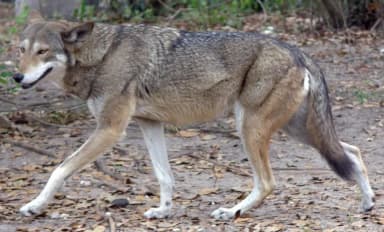
Feathers & Fangs from visitors
What people who've been to Endangered Wolf Center say
A Feather is something this zoo does well; a Fang is something it gets wrong. Left by people who've been, and read by us before they appear.
Loading…
About Endangered Wolf Center
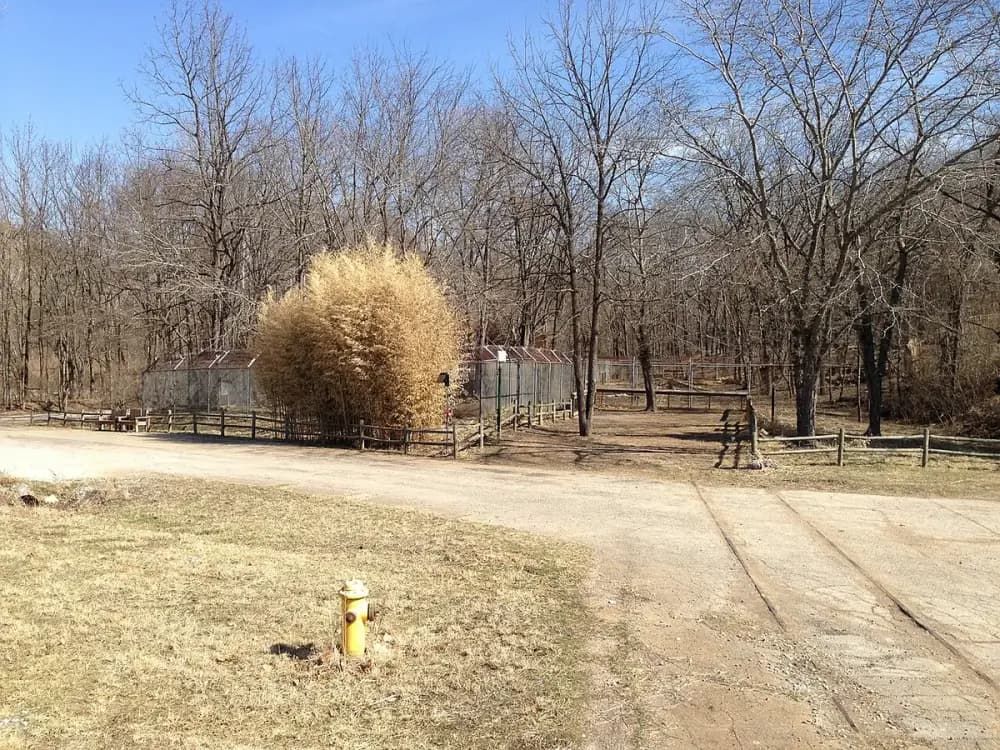
The Endangered Wolf Center is a nonprofit wildlife facility dedicated to preserving and reintroducing critically endangered wolves and other wild canid species. It is located near St. Louis, on property owned by Washington University's Tyson Research Center, roughly 20 miles southwest of the city and about 7 miles west of Interstate 270 off Interstate 44. It is not currently AZA accredited, though it was historically the first wolf facility in the world to hold that certification.
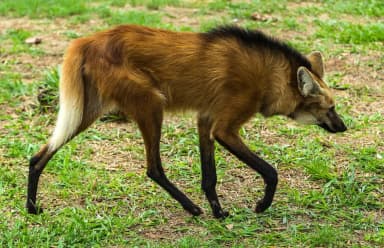
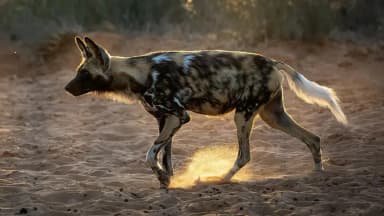
Founded in 1971, the center's mission is to preserve and protect Mexican wolves, red wolves, and other wild canid species through carefully managed breeding, reintroduction, and education programs. As of August 2026 it maintained six species of endangered canids: Mexican wolves, red wolves, maned wolves, African painted dogs, fennec foxes, and swift foxes. It is an independent 501(c)(3) organization that receives no federal or state funding, relying instead on members, donors, and visitors. Visitors can only see the animals by reservation, through guided daytime tours or evening wolf howls.
History
The Endangered Wolf Center was founded in 1971 by naturalist Marlin Perkins, the original celebrity wildlife host known for hosting "Mutual of Omaha's Wild Kingdom," and his wife Carol, after the couple recognized that wolf species around the world were headed toward extinction. It was originally named the Wild Canid Survival and Research Center before adopting its current name. The center was the first wolf facility in the world to be certified by the Association of Zoos and Aquariums and the first institution to participate in both the U.S. Fish and Wildlife Service's Red Wolf and Mexican Wolf managed breeding programs.
Over more than five decades, the center has contributed one of the first red wolves reintroduced to the wild in North Carolina and was one of the first two U.S. facilities selected to breed swift foxes for release. In 2014 it conducted the first-ever pup fostering of Mexican wolf pups into a wild den. The center describes itself as the cornerstone of Mexican wolf recovery in the United States, noting that every Mexican wolf living in the wild today can trace its ancestry back to the center's breeding program. It is a founding member of the AZA's Mexican Wolf and Red Wolf Species Survival Plans and serves as a key partner in the U.S. Fish and Wildlife Service's program to preserve and reintroduce Mexican wolves.
Exhibits and habitats
The Endangered Wolf Center is organized around animal habitats for its six resident canid species rather than a conventional exhibit hall layout, and it does not offer general walk-in access to those habitats — all viewing happens through scheduled, guided tours. The standard walking tour runs about an hour and a half and combines an educational classroom session with a full tour of the animal habitats, covering roughly a mile on foot with a guide throughout. A private, two-hour VIP tour offers an exclusive look at additional wolf habitats not included on the public tour, along with a chance to meet animal ambassadors including African painted dogs, maned wolves, and the center's swift fox. A Keeper for the Day experience lets visitors follow along on the center's daily animal-care routines, including behind-the-scenes training methods used to prepare wolves for eventual life in the wild.
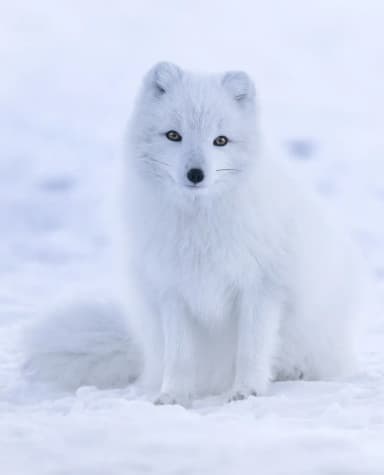
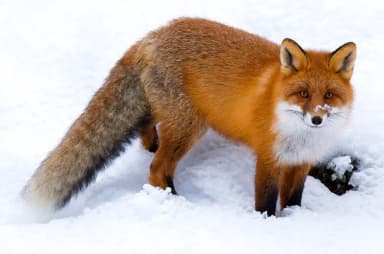
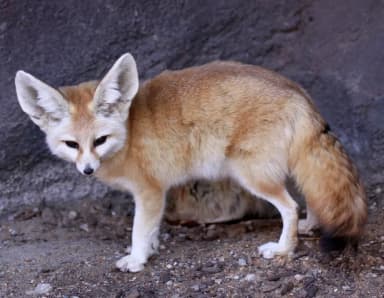
The center's evening programming centers on its wolf howls: after a classroom session on wolf communication, guests walk out toward the wolf habitats for a chance to hear the center's wolves howl, and sometimes howl back. A separate photography tour, guided by education staff and bookable for one to five hours, gives professional and novice photographers time to work in different locations and lighting conditions around the property. A fox encounter program, offered seasonally from June to mid-January, focuses on the center's fennec fox, Arctic fox, and melanistic red fox ambassadors, all of which are non-releasable animals used to educate visitors about the exotic pet trade and the fur trade.
Animal highlights
As of August 2026, the center listed six species of endangered canids in its care: Mexican wolves, red wolves, maned wolves, African painted dogs, fennec foxes, and swift foxes. It houses more than 20 Mexican gray wolves, a larger number than any other managed breeding facility, at a time when only 286 Mexican wolves were known to exist in the wild. The center's research focuses on the reproductive, behavioral, and nutritional needs of the species in its care, supporting its role as a managed breeding population for some of North America's most endangered predators.
Conservation and programs
Conservation work sits at the core of the center's mission. It is a founding member of the AZA's Mexican Wolf and Red Wolf Species Survival Plans, coordinated breeding programs designed to sustain genetically healthy populations of both species across accredited facilities. Animals bred at the center have been reintroduced into the wild in North Carolina, for red wolves, and in Arizona and New Mexico, for Mexican wolves. The center's 2014 pup-fostering effort, placing captive-born Mexican wolf pups into a wild den, was a first for the species and remains a technique used in ongoing recovery efforts.
The center also hosts more than 13,000 visitors annually, nearly 75 percent of them children, reflecting a strong emphasis on youth education alongside its breeding and reintroduction work. Its location on Washington University's Tyson Research Center connects the site to broader environmental research and education programs for university students and faculty.
Planning your visit
All visits to the Endangered Wolf Center require a reservation; there is no general walk-in admission. As listed on the center's website, tour hours run from about 9 am to 2 pm, though listed schedules for tours and field trips vary by season, and a separate posting shows the center itself open 9 AM to 4 PM with tours Monday, Wednesday, Thursday, and Friday from 11 AM to 2:30 PM. The center is closed on Thanksgiving, Christmas Eve, Christmas Day, and New Year's Day. A small processing fee is added to all bookings, and reservations can be made by calling the center directly.
The center is reached from Interstate 44 via Exit 269, the Beaumont-Antire Road exit, turning right onto Tyson Valley Road; it sits on the north side of I-44. Field trips for school groups run every day except Tuesday, from 9 am to 2 pm. Private events, including campfire wolf howls for up to 50 people, are also bookable by reservation. Because tour times, formats, and pricing can change by season, confirm current details on the center's official website before visiting.
What we haven't confirmed
Everything above came from public sources. These specifics we haven't stood behind yet:
- Ticket prices
- Total acreage
- Parking details
- Wheelchair and stroller accessibility
- Current tour schedule by season
Endangered Wolf Center compared with nearby zoos
How Endangered Wolf Center lines up against the closest zoos we have details for — useful if you're deciding between them for the same day out.
| Zoo | Distance | Admission | Hours | Size | AZA |
|---|---|---|---|---|---|
| Endangered Wolf CenterThis zooEllisville, MO | — | — | Guided tours by reservation, 9:00 AM – 4:00 PM; closed Tuesdays. Closed Thanksgiving, Christmas Eve, Christmas Day, New Year's Day. | — | No |
| Saint Louis ZooSt. Louis, MO | 16 mi | Free | 9 am – 5 pm | — | Yes |
| Henson Robinson ZooSpringfield, IL | 99 mi | $7.50 | April 11 – October 31: open daily 10:00 AM – 5:00 PM (last admission 4:30 PM). November 1 – 20: Saturdays & Sundays 10:00 AM – 4:00 PM (last admission 3:30 PM). | — | No |
| Scovill ZooDecatur, IL | 127 mi | $10 | Fall hours (Aug 10 – Oct 12): Mon–Fri 9:30 AM – 4:00 PM; Sat–Sun 9:30 AM – 5:00 PM. Grounds close one hour after last admission. Closed early (3 PM) on Sept 19. | — | Yes |
Distances are straight-line. A dash means we haven't confirmed that detail yet, not that the zoo lacks it.
AZAThe Association of Zoos and Aquariums. Accredited members have passed an independent inspection of animal care and welfare, safety, conservation and education, repeated every five years. Many smaller facilities never apply, so “not accredited” isn't a verdict on its own. What accreditation means · How we check this
Endangered Wolf Center: common questions
Is the Endangered Wolf Center AZA accredited?
It is not currently AZA accredited, though it was historically the first wolf facility in the world to hold that certification.
When did the center open?
It was founded in 1971 by Marlin and Carol Perkins.
Can I just walk in and see the wolves?
No, all visits require a reservation for a guided tour, field trip, or wolf howl program.
How many species does the center have?
It maintains six species of endangered canids: Mexican wolves, red wolves, maned wolves, African painted dogs, fennec foxes, and swift foxes.
How long is a typical tour?
The standard tour runs about an hour and a half, including a classroom session and roughly a mile of walking.
Is there parking on site?
The center is accessible from Interstate 44 via the Beaumont-Antire Road exit, though specific parking details are not listed in available materials.
Does the center do conservation work beyond the site?
Yes, animals bred at the center have been reintroduced to the wild in North Carolina, Arizona, and New Mexico as part of federal recovery programs.
Something wrong here? Tell us — we correct in place, with a dated note.