
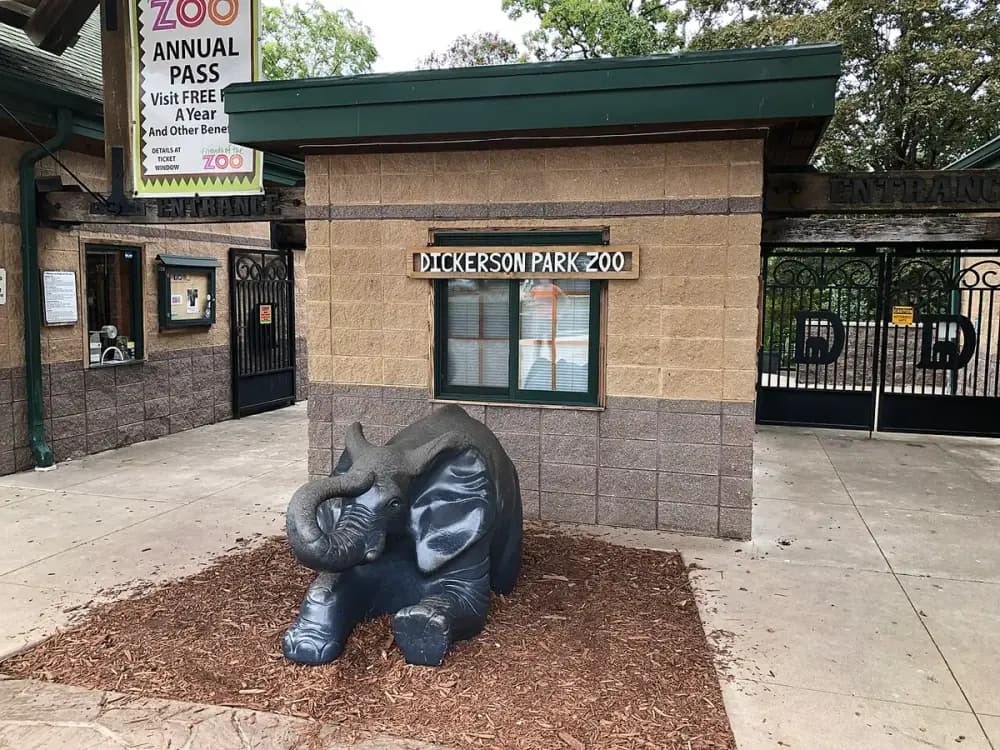
- Admission
- $19
- Animals
- 500
- Opened
- 1922
- Accreditation
- AZA
Association of Zoos and Aquariums
Everything below is directory information drawn from public sources and the zoo's own site.
Animals at Dickerson Park Zoo
13 of the ~160 species this zoo listsThis is a partial list — we only show species we've confirmed against the zoo's own pages, and their full collection is considerably larger.
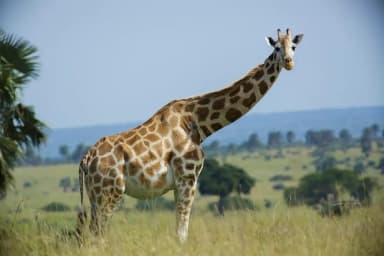
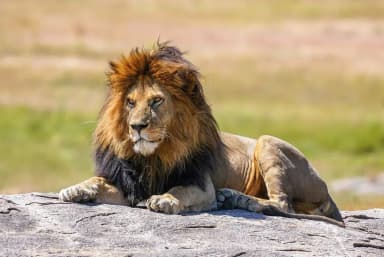
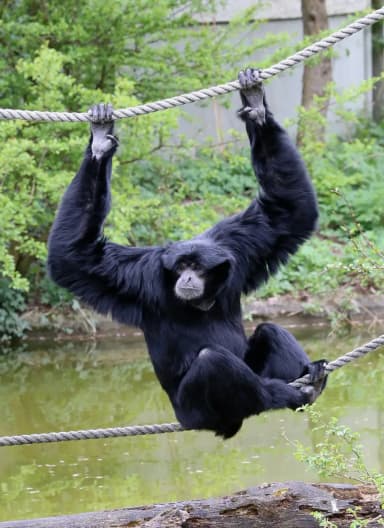
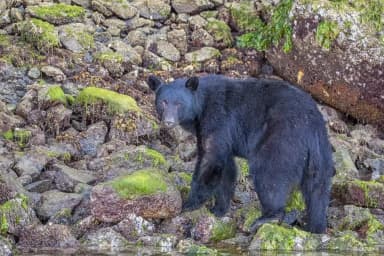
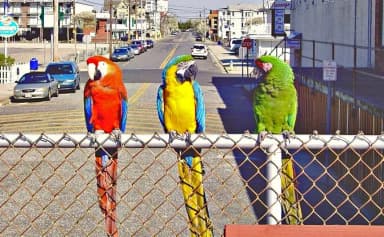
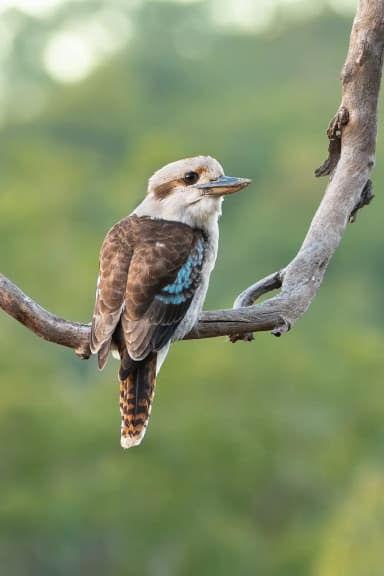
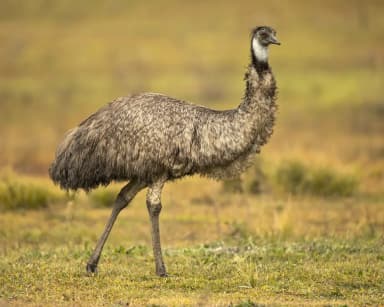
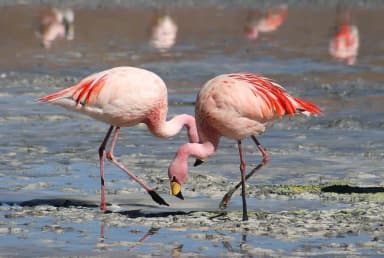
Feathers & Fangs from visitors
What people who've been to Dickerson Park Zoo say
A Feather is something this zoo does well; a Fang is something it gets wrong. Left by people who've been, and read by us before they appear.
Loading…
About Dickerson Park Zoo
Dickerson Park Zoo is a zoological park in Springfield, Missouri, with more than 500 animals representing 160 species. It is a division of the Springfield-Greene County Park Board and has been an accredited member of the Association of Zoos and Aquariums since 1986. The land was purchased from the estate of Jerome Dickerson, Sr., and the zoo marked its 100th anniversary in the early 2020s.
The nonprofit Friends of the Zoo of Springfield, Missouri, Inc., a 501(c)(3) organization, works alongside the zoo with the mission of helping make Dickerson Park Zoo a first-class facility. Friends of the Zoo generates revenue for zoo projects and programs through its own operations and fundraising, with the conservation education department and the zoo's field conservation support named as two of the most important beneficiaries.
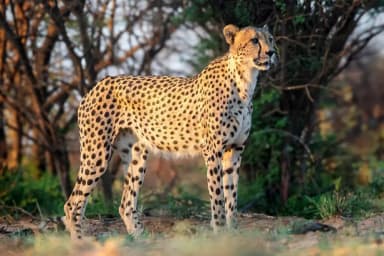
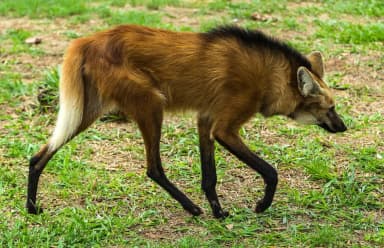
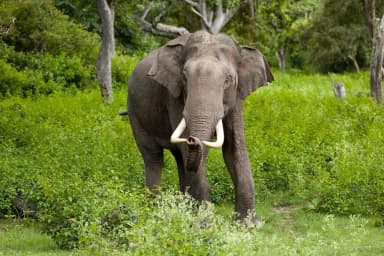
The zoo's stated mission centers on connecting people with animals to create curiosity, encourage discovery and inspire conservation action, and it has particularly invested in Species Survival Plan work for Asian elephants, maned wolves and cheetahs.
History
The Springfield Park Board established Dickerson Park in 1922, and it was developed with the aid of Works Progress Administration labor and funds during the 1930s. From then until the mid-1970s, the zoo saw little development or support, and by 1975 it had become rundown enough to face possible closure. A commitment from the City of Springfield, paired with the creation of the Friends of the Zoo support group, kept the zoo open and began its restoration.
Friends of the Zoo built a membership base, launched education programs and secured donor support for new projects, while the City of Springfield committed budget dollars and introduced an admission fee to help cover costs. A master plan adopted in 1985 laid out a vision for a redeveloped zoo organized around geographic themes, with phased construction. Around this period, the zoo became involved in Species Survival Plans, most notably for Asian elephants, maned wolves and cheetahs, alongside in-house and outreach education programs. An updated master plan followed in 1996, and the zoo reached its 100th anniversary in the early 2020s.
The zoo's history includes a difficult period in October 2013: the zoo euthanized its elephant matriarch, a 41-year-old female named Connie, who had been suffering from kidney disease. Days later, another elephant, Patience, made a sudden movement that killed the zoo's head elephant keeper, John Bradford, who had worked at the zoo since 1990. City officials said no disciplinary action would be taken against Patience.
Exhibits and habitats
Zoo materials point to a handful of named visitor features rather than a full exhibit list. The giraffe feeding deck lets visitors interact with the zoo's giraffes at height, and the Outback Corral serves as a petting zoo. The Titus Express Miniature Train carries visitors around zoo grounds, and the Jumping Jewels water feature operates weather permitting as a seasonal draw for younger visitors.
Beyond these named attractions, the available material does not detail individual habitat names or exhibit histories, so this section stays limited to what the zoo's own site highlights as visitor favorites.
Animal highlights
Dickerson Park Zoo lists at least 13 species on its website, part of a broader collection the zoo describes as more than 500 animals representing 160 species overall — a floor, not a full count. Species named in zoo materials include black bears, cheetahs, elephants, emus, flamingos, giraffes, kookaburras, lions, macaws, Malayan tigers, maned wolves, red kangaroos and siamangs, reflecting the zoo's mix of African, Asian, Australian and North American wildlife.
The zoo's Species Survival Plan work is concentrated in a few of these species in particular: Asian elephants, maned wolves and cheetahs are all named as SSP priorities, and the zoo has supported research on kangaroos, lionesses, North American river otters and elephant health and welfare in partnership with Missouri State University.
Conservation and programs
Conservation and protection of animals worldwide is described by the zoo as the primary focus of accredited zoos and aquariums, and Dickerson Park Zoo participates in AZA SAFE (Saving Animals From Extinction) programs and the Species Survival Plan. Support of field conservation is described as a required element of AZA accreditation, with daily visitors and Friends of the Zoo members named as vital partners in that work.
The zoo and Friends of the Zoo support a wide range of outside conservation and research organizations, including the Zoo Conservation Outreach Group, a Flamingo Conservation Program, the Andean Condor Conservation Program, the Madagascar Fauna & Flora Group, the El Valle Amphibian Conservation Center, the Tiger Conservation Campaign, the Dong Phayayen-Khao Yai Carnivore Conservation Project, the International Crane Foundation, the Conservation Breeding Specialist Group, the Turtle Survival Alliance, Proyecto Tití for cotton-top tamarins, and the Giraffe Conservation Foundation.
The zoo has a long research relationship with Missouri State University, dating back to the late 1970s and early 1980s, covering bald eagle reproduction, embryo transfer in antelopes and artificial insemination in elephants. A biology department professor currently serves as the zoo's research coordinator, reviewing research proposals that come mostly from university graduate students.
Planning your visit
As listed on the zoo's website, Dickerson Park Zoo is open daily, weather permitting, though the zoo advises following its social media for up-to-date hours, events and any closures. Hours checked for this page were 9:00 a.m. to 5:00 p.m. As listed, admission runs roughly $14 for adults and $9 for children, though these figures should be confirmed on the official site before your visit, since online sources can lag behind actual gate pricing.
Zoo education classes take place in the Gaska Family Education Wing, a short drive from the front gate rather than at the main entrance, and online registration is required in advance for those programs. The zoo also hosts corporate and organizational events among the animal habitats, bookable by calling the zoo directly.
Confirm current hours, admission prices, parking details and accessibility accommodations on the official Dickerson Park Zoo website before planning your trip.
What we haven't confirmed
Everything above came from public sources. These specifics we haven't stood behind yet:
- Current hours and any seasonal changes
- Current ticket prices
- Acreage
- Parking details
- Stroller and wheelchair accessibility specifics
- Time needed for a typical visit
- Phone number
Dickerson Park Zoo compared with nearby zoos
How Dickerson Park Zoo lines up against the closest zoos we have details for — useful if you're deciding between them for the same day out.
| Zoo | Distance | Admission | Hours | Size | AZA |
|---|---|---|---|---|---|
| Dickerson Park ZooThis zooSpringfield, MO | — | $19 | 9:00 AM – 5:00 PM | — | Yes |
| Branson's Wild WorldBranson, MO | 43 mi | $24.95 | Open 10:00 AM – 5:00 PM (last ticket sold 4:00 PM). Closed Christmas Day. | — | No |
| Kansas City ZooKansas City, MO | 138 mi | $22–$24 | 9:30 am – 4 pm | 202 acres | Yes |
| Tulsa Zoo and Living MuseumTulsa, OK | 162 mi | $22.99 | 9 am – 5 pm | 84 acres | Yes |
Distances are straight-line. A dash means we haven't confirmed that detail yet, not that the zoo lacks it.
AZAThe Association of Zoos and Aquariums. Accredited members have passed an independent inspection of animal care and welfare, safety, conservation and education, repeated every five years. Many smaller facilities never apply, so “not accredited” isn't a verdict on its own. What accreditation means · How we check this
Dickerson Park Zoo: common questions
Is Dickerson Park Zoo AZA accredited?
Yes, it has been accredited by the Association of Zoos and Aquariums since 1986.
When did Dickerson Park Zoo open?
It was established in 1922 on land purchased from the estate of Jerome Dickerson, Sr.
How many animals and species does the zoo have?
The zoo lists at least 13 species on its website, part of a broader collection of more than 500 animals representing 160 species.
What are the giraffe feeding deck and Outback Corral?
The giraffe feeding deck lets visitors interact with the zoo's giraffes, and the Outback Corral is the zoo's petting zoo area.
Does the zoo participate in Species Survival Plans?
Yes, notably for Asian elephants, maned wolves and cheetahs.
Is there a train ride at the zoo?
Yes, the Titus Express Miniature Train carries visitors around zoo grounds.
Something wrong here? Tell us — we correct in place, with a dated note.