
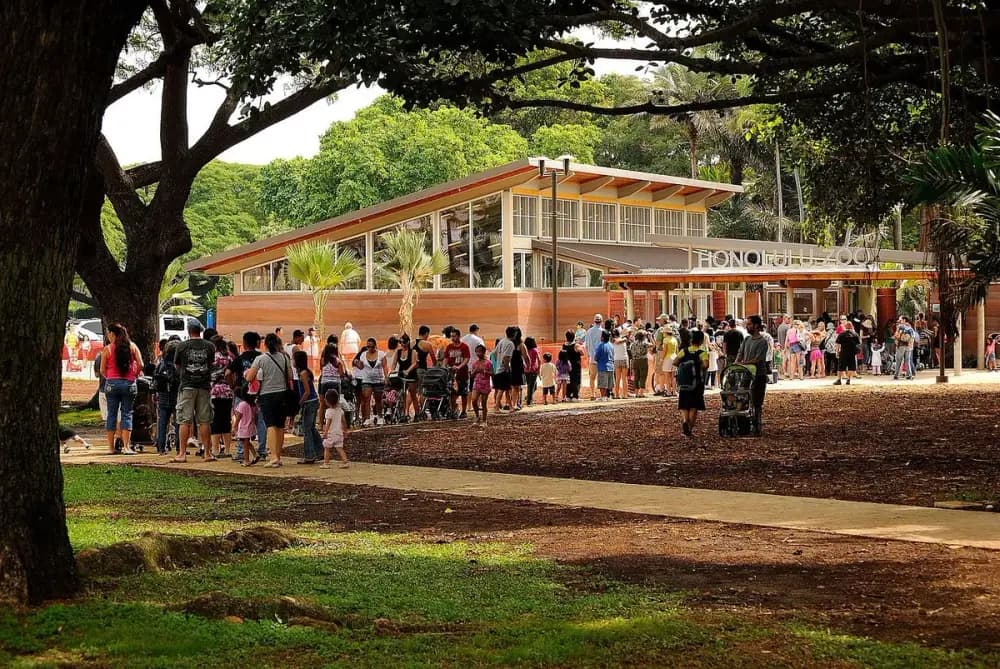
- Admission
- $21
- Size
- 42 acres
- Animals
- 1,230
- Opened
- 1910
- Accreditation
- AZA
Association of Zoos and Aquariums
Everything below is directory information drawn from public sources and the zoo's own site.
Animals at Honolulu Zoo
9 confirmed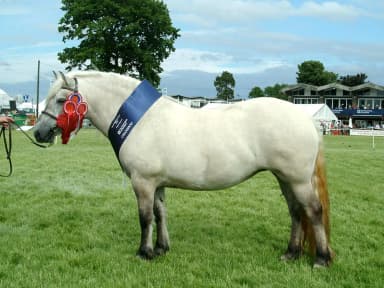
Reptiles4
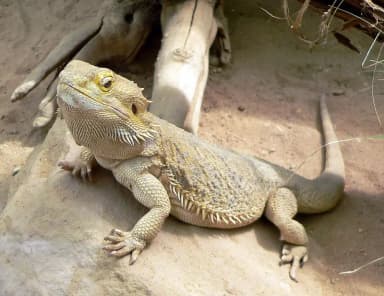
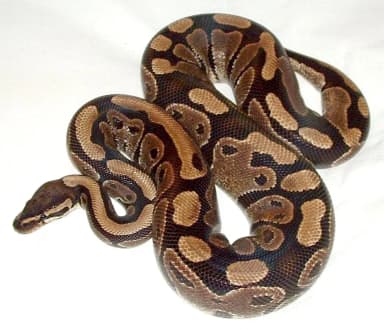
Amphibians2
Feathers & Fangs from visitors
What people who've been to Honolulu Zoo say
A Feather is something this zoo does well; a Fang is something it gets wrong. Left by people who've been, and read by us before they appear.
Loading…
About Honolulu Zoo
Honolulu Zoo covers 42 acres inside Queen Kapiolani Park in Honolulu, Hawaii, at the corner of Kapahulu and Kalakaua Avenues, between the slopes of Diamond Head and Waikiki. It is administered by the City & County of Honolulu through its Department of Enterprise Services, with the nonprofit Honolulu Zoo Society providing program support. The zoo dates its opening to 1910 and describes itself as the only zoo in the United States established through grants of land from a sovereign monarch — part of a larger 300-acre royal park. It is accredited by the Association of Zoos and Aquariums, though that accreditation was dropped in 2016 and reinstated in 2020. The zoo's website lists 9 species and reports roughly 1,230 animals on the grounds, with more than 750,000 visitors a year.
The zoo is organized loosely around geographic and taxonomic groupings that trace back to a 1984 master plan for a "Tropical Zoological Garden," dividing exhibits into the African Savanna, Asian and American Tropical Forests, and Pacific Islands. Its grounds also carry more than a decade of public art, from metal and fiberglass animal sculptures to a mural depicting the geologic history of the Hawaiian Islands.
History
Honolulu Zoo's history begins with Queen Kapiolani Park itself. In 1876, King David Kalakaua made royal lands near the slopes of Le'ahi available for a public park, and lands that had been marshland, ponds, and lagoons were developed and opened in 1877 as Kapiolani Park, named for the king's consort. Kalakaua kept a personal collection of exotic birds and horses there even after it became a public space.
In 1914, the City & County of Honolulu took over the park, and its first Park Director, Ben Hollinger, began collecting animals — starting with a monkey, a bear, and an elephant "for the children of Hawai'i." A bird collection grew into three aviary complexes by 1938, known as the Kapiolani Bird Park, developed with the help of an ornithologist brought in from Santa Catalina Island, California. In 1947, 42.5 acres of the park were formally designated as the Honolulu Zoo, and its first director, Paul Breese, wrote its first master plan.
The zoo shifted toward taxonomic groupings of bird, reptile, and mammal exhibits in 1952 under a plan developed with the help of a new master plan, and staff grew to twenty-eight under second director Jack Throp. Jerome S. Marr became the third director in 1979.
The zoo nearly closed during the Great Depression for lack of money, but expanded its collection anyway in 1949 with the purchase of an elephant, a Bactrian camel, sea lions, several bird species, spider monkeys, and a tortoise. A 1974 wave of donations brought a camel, an elephant, chimpanzees, and deer, renewing enthusiasm for the zoo and leading the city to approve the master plan that fixed the boundaries of today's 42-acre site. The zoo experienced a further revival in the 1990s, when staff redesigned exhibits to give animals more natural settings. Staffing grew to between 80 and 85 employees under Ken Redman, director from 1993 until his retirement in 2008. The zoo launched a new online ticketing system in November 2025.
Exhibits and habitats
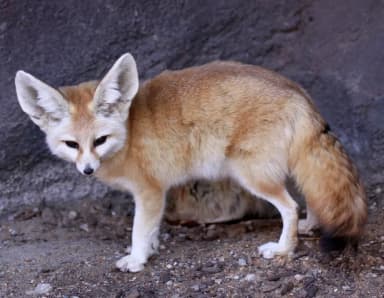
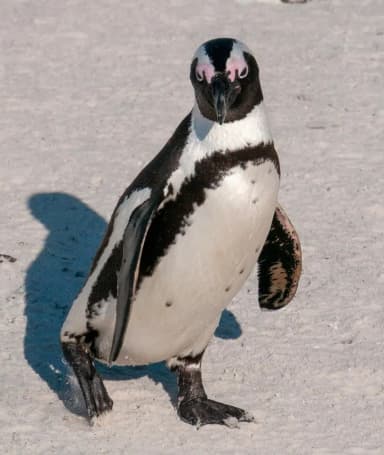
Honolulu Zoo groups its animals into the African Savanna, Asian and American Tropical Forests, and Pacific Islands zones set out in its 1984 master plan, alongside its historic bird collection dating back to the Kapiolani Bird Park era. Species named on the zoo's website today include the African penguin, fennec fox, and crocodile monitor, along with reptiles and amphibians such as the Fiji iguana, inland bearded dragon, ball python, African dwarf clawed frog, and the introduced coqui frog.
Scattered through the grounds is a body of zoo-commissioned art, including a 1959 metal Giraffe sculpture and a 1998 fiberglass Giraffe sculpture, a 1976 fiberglass-and-coral Hawaiian Porpoises piece, a 1988 bronze Elephant's Child, a pair of 1998 Whooping Cranes sculptures, and a 1991 metal mural titled The Evolution of an Island. An earlier metal Ostrich sculpture from 1960 no longer exists.
Animal highlights
The zoo's website lists at least 9 species by name, including the African penguin, fennec fox, crocodile monitor, Fiji iguana, and ball python, while its own figures put the total collection at around 1,230 animals across the grounds. Species featured through the zoo's conservation work include the Kamehameha butterfly, birds-of-paradise, and the nene, Hawaii's state bird, alongside African wild dogs and sloths.
Conservation and programs
Honolulu Zoo takes part in Species Survival Plans, cooperative programs meant to maintain viable captive populations of a species and prevent extinction in the wild, both for animals housed at the zoo and for Honolulu Zoo animals living elsewhere. It reports data to the International Species Inventory System, a worldwide database of captive animals, and participates in regional collection planning that prioritizes species for coordinated breeding programs across zoos.
The zoo's conservation record includes work with native Hawaiian species: when only one Amastra cylindrica snail, a native tree snail, was found in the wild in 2015, the zoo helped bring the population back up and reintroduced more than 140 snails into the wild. As a federally regulated exhibitor, the zoo is inspected annually under the Animal Welfare Act by the U.S. Department of Agriculture, which also inspects its international animal shipments.
Planning your visit
As listed on the zoo's website, Honolulu Zoo is open daily from 10:00 a.m. to 3:00 p.m., with entry allowed anytime in that window; guests are asked to exit the grounds by 4:00 p.m. Reservations are not required. The zoo's parking lot entrance, on Kapahulu Avenue, charges $1.50 per hour, while the Waikiki Shell parking lot across the street on Monsarrat Avenue is free. Guests with disability parking placards must still pay the meter unless they hold a Disability Paid Parking Exemption Permit.
A long list of items is barred from the grounds, including balloons, bicycles, frisbees, kites, skateboards, roller blades, and pets, and visitors are asked not to feed, tease, or otherwise disturb the animals. A 24-hour visitor information hotline is available, along with separate numbers for business hours and weekends. Because prices, hours, and rules change, confirm current details on the zoo's official website before visiting.
What we haven't confirmed
Everything above came from public sources. These specifics we haven't stood behind yet:
- Ticket prices
- Total species count
- Acreage's exact developed footprint versus the surrounding park
- Time needed for a full visit
- Accessibility details for strollers and wheelchairs
- Phone number for general visitor questions
Honolulu Zoo: common questions
Is Honolulu Zoo AZA accredited?
Yes, though its accreditation lapsed between 2016 and 2020 before being reinstated.
How big is Honolulu Zoo?
It covers 42 acres inside the larger, 300-acre Queen Kapiolani Park.
When did Honolulu Zoo open?
The zoo dates its founding to 1910, growing out of a royal park established by King Kalakaua in 1876.
How many animals live at the zoo?
The zoo's own figures put the collection at around 1,230 animals.
Is there parking at the zoo?
Yes. The zoo's own lot on Kapahulu Avenue charges $1.50 per hour; the Waikiki Shell lot across the street is free.
Can I bring my pet?
No. Pets are on the zoo's list of prohibited items.
What are the zoo's hours?
As listed on the zoo's website, the zoo admits guests from 10:00 a.m. to 3:00 p.m. daily, with the grounds closing at 4:00 p.m.
Something wrong here? Tell us — we correct in place, with a dated note.