
Arizona-Sonora Desert Museum
Tucson, AZ
- Admission
- $29.95
- Size
- 98 acres
- Opened
- 1952
- Accreditation
- AZA
Association of Zoos and Aquariums
Everything below is directory information drawn from public sources and the zoo's own site.
Animals at Arizona-Sonora Desert Museum
8 of the ~230 species this zoo listsThis is a partial list — we only show species we've confirmed against the zoo's own pages, and their full collection is considerably larger.
Mammals7
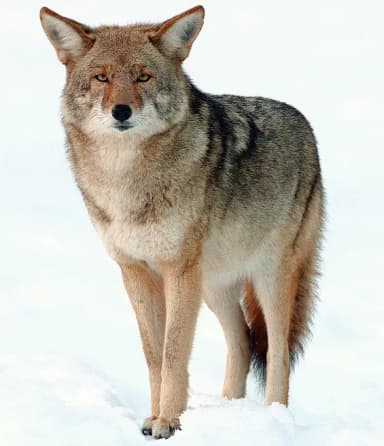 Yathin S Krishnappa · CC BY-SA 3.0
Coyote
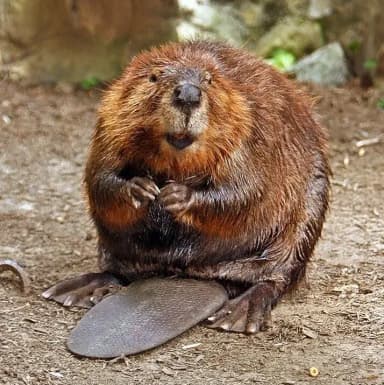 Steve from Washington, DC, USA · CC BY-SA 2.0
American Beaver
 Joe Ravi · CC BY-SA 3.0
Prairie Dog
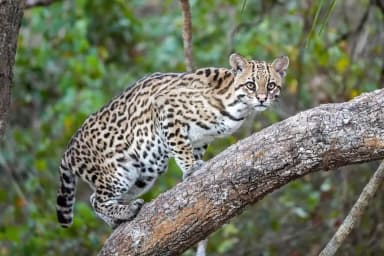 Giles Laurent · CC BY-SA 4.0
Ocelot
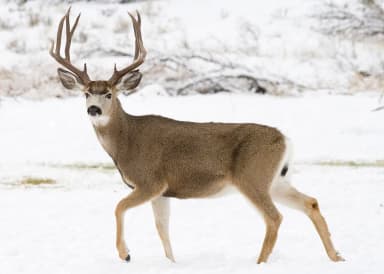 Oregon Department of Fish & Wildlife · CC BY-SA 2.0
Mule Deer
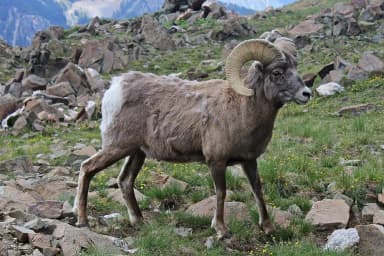 Jwanamaker · CC BY-SA 3.0
Bighorn Sheep
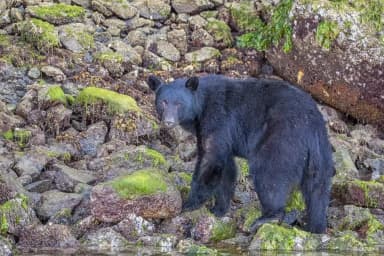 Charles J. Sharp · CC BY-SA 4.0
American Black Bear
Feathers & Fangs from visitors
What people who've been to Arizona-Sonora Desert Museum say
A Feather is something this zoo does well; a Fang is something it gets wrong. Left by people who've been, and read by us before they appear.
Loading…
About Arizona-Sonora Desert Museum
The Arizona-Sonora Desert Museum sits on 98 acres at 2021 N. Kinney Rd. on the west side of Tucson, Arizona, in the Tucson Mountains. It opened in 1952 and is accredited by the Association of Zoos and Aquariums. The museum describes itself as a fusion of a zoo, botanical garden, art gallery, natural history museum, and aquarium, all built around the Sonoran Desert region, and its own history page lists over 230 animal species and 1,200 varieties of plants on the grounds, along with a range of botanical gardens, four aviaries, an aquarium, and an art gallery.
About 85 percent of the museum is outdoors and is primarily a walking experience, laid out along two miles of accessible paved pathways. The site sits on the ancestral homelands of the Tohono O'odham and near the multi-millennial presence of the Pasqua Yaqui, and the museum's programming reflects both the natural history and the human cultures of the Sonoran Desert. Nearly 400,000 guests visit each year, according to the museum, exploring animal enclosures embedded in the landscape, specialized gardens, cave and mineral displays, and river and marine life exhibits.
The museum is organized around docent-led interpretive demonstrations and daily animal keeper presentations at the Warden Oasis Theater, along with interactive experiences such as fossil digging, stingray encounters, and streamside conservation-themed play, aimed at guests of all ages.
History
William H. Carr founded the Arizona-Sonora Desert Museum with financial backing from conservationist Arthur Newton Pack, intending to interpret the natural history of the Sonoran Desert through integrated exhibits of native plants and animals. Several buildings erected on the site in the 1930s by the Civilian Conservation Corps were adapted for use as the museum's early exhibition spaces, offices, and gift shop.
Over the decades that followed, the museum grew steadily: a locally produced television series called Desert Trails brought desert stories to a wider public; the museum became the site of the first litter of Mexican gray wolf pups born in human care; and it helped establish protections for nesting birds on Isla Rasa in the Gulf of California. Its exhibit collection expanded with the Beaver-Otter-Sheep exhibit, the Cat Canyon exhibit for small cats and mammals, the Cave and Earth Sciences exhibits, the Mountain Woodland exhibit, the Hummingbird Aviary, and the Life Underground exhibit, among others. A Docent Program that began with a small group of volunteers guiding school tours has since grown to serve all museum guests.
Later milestones include the museum's excavation of the Sonorasaurus, a dinosaur species eventually named Arizona's state dinosaur; the launch of Raptor Free Flight, now one of the museum's most popular programs; the opening of the Ironwood Gallery and the Art Institute; the founding of ASDM Press (now Desert Museum Press), which has published more than 40 books and guides on the Sonoran Desert; and the opening of newer exhibits including Ancient Arizona, Stingray Touch, the Warden Aquarium, the Labyrinth Garden developed in consultation with the Tohono O'odham Nation, Packrat Playhouse, Spadefoot Splash, and the Mexican Gray Wolf exhibit. The museum's research has also supported the creation of Ironwood Forest National Monument and the Monte Mojino Reserve in Sonora, Mexico.
Exhibits and habitats
The museum's grounds include a Desert Grassland exhibit of soap tree yuccas, desert grasses, prairie dogs, and Great Blue Herons; a Cat Canyon exhibit for small cats and other small mammals; and areas for javelinas, coyotes, and lizards set among agave plants and native palo verde trees. The Mountain Woodland exhibit is a Mexican pine-oak woodland habitat featuring mule deer, Mexican gray wolves, and a black bear, while a river otter, beavers, bighorn sheep, fish, and aquatic invertebrates appear in a dedicated riparian habitat.
The Hummingbird Aviary showcases multiple hummingbird species, and the museum notes the birds seem to pose for photos as they move through the space. A Birds of the Sonoran Desert free-flight aviary features species native to the region, and the seasonal Raptor Free Flight program lets guests observe birds of prey flying completely untethered over the desert habitat. A Reptile, Amphibian & Invertebrate Hall presents the region's biodiversity in a climate-controlled gallery, and the Cave and Earth Sciences exhibits include a replica limestone cave with minerals from the museum's collection.
Interactive experiences round out the grounds: Ancient Arizona lets guests dig for fossils and learn about the museum's own dinosaur discovery, Sonorasaurus; Stingray Touch allows guests to interact directly with cownose stingrays; and a climate-controlled indoor climbing and exploration space lets children climb through prickly pear cactus pads and slide down cholla-skeleton ribs. The museum's aquarium comprises two galleries of fresh and salt water species, including those from the Gulf of California, and two art galleries host a regular schedule of classes and workshops.
Animal highlights
The museum lists at least 230 animal species on its website. Species named across its exhibits include river otter, beaver, bighorn sheep, mule deer, Mexican gray wolf, black bear, prairie dog, javelina, coyote, and multiple hummingbird species, along with fish and aquatic invertebrates in its aquarium galleries and cownose stingrays in its Stingray Touch exhibit. The museum also maintains reptile, amphibian, and invertebrate collections in its climate-controlled hall.
The museum participates in Species Survival Plans for several endangered species tied to the Sonoran Desert region, including the Mexican gray wolf, ocelot, black-tailed prairie dog, and San Esteban chuckwalla, and it was the site of the first litter of Mexican gray wolf pups born in human care.
Conservation and programs
The Arizona-Sonora Desert Museum describes conservation as central to its identity from its founding, working with partners throughout southern Arizona and Sonora to restore habitats and safeguard biodiversity. Its research has spanned pollinators and desert food plants, invasive species management, and marine biodiversity in the Gulf of California, and the museum runs the Migratory Pollinators Program, originally called the Forgotten Pollinators Campaign, to study declines in native pollinators.
The museum's Save Our Saguaros program focuses on the science and management of invasive buffelgrass, aiming to sustainably support biodiversity while reducing wildfire risk to plants, wildlife, and people. It has also worked with the University of Arizona and Pima Community College to catalog an estimated 1,000 bee species in the region, one of the most bee-diverse areas in the world, and it maintains an ethnobotanical research program studying and conserving the wild relatives of modern crops. Museum research helped establish Ironwood Forest National Monument, informed Pima County's Sonoran Desert Conservation Plan, and supported the founding of the Monte Mojino Reserve near Alamos, Sonora. The museum also helped establish protections for nesting birds on Isla Rasa in the Gulf of California.
Planning your visit
The museum is open 365 days a year, with hours listed on its website as 7:30am to 4:00pm, though grounds close later and hours shift seasonally, including separate summer hours; always confirm current times before visiting. General admission for ages 13–64 is listed at $17, as listed on the museum's website, with additional discounts available at the gate: $2 off for seniors 65 and up with ID, $2 off for active-duty and retired military with ID, $5 off for Arizona and Sonora residents with proof of residency, and a discount for holders of a valid state-issued EBT, WIC, or SNAP card (plus up to three additional guests at the discounted rate). Native Americans with a Tribal ID or CIB receive free admission. Children age 2 and under are free, and museum members are also admitted at no charge.
Most guests spend two to three hours touring the museum, and arriving before mid-afternoon is recommended to make the most of a visit. Manual wheelchairs, strollers, and motorized scooters are available to rent on site. Outside food and drinks are not allowed inside, but a picnic ramada sits near the front entrance and the Ironwood Terraces Restaurant and Phoebe's Café are open daily; traditional water fountains and touchless refill stations are available throughout the grounds. Pets are not permitted except for service animals. Guests may leave and re-enter during the same day by checking in at Guest Services before exiting, and grounds close promptly at 5:00 p.m. Because hours, pricing, and seasonal programming can change, always check the official Arizona-Sonora Desert Museum website before planning a visit.
What we haven't confirmed
Everything above came from public sources. These specifics we haven't stood behind yet:
- Exact acreage devoted to animal habitats versus gardens
- Current parking cost and availability
- Full published general admission price (site references both $17 and $29 rates)
- Exact founding-era timeline dates for individual historic exhibits
- Total animal count (species count only was available)
Arizona-Sonora Desert Museum compared with nearby zoos
How Arizona-Sonora Desert Museum lines up against the closest zoos we have details for — useful if you're deciding between them for the same day out.
| Zoo | Distance | Admission | Hours | Size | AZA |
|---|---|---|---|---|---|
| Arizona-Sonora Desert MuseumThis zooTucson, AZ | — | $29.95 | 7:30 am – 4:00 pm | 98 acres | Yes |
| Reid Park ZooTucson, AZ | 15 mi | — | — | 24 acres | Yes |
| Phoenix ZooPhoenix, AZ | 95 mi | $44.95 | 8 am – 1 pm | 125 acres | Yes |
| Wildlife World ZooLitchfield Park, AZ | 116 mi | $43–$49 | 9:00 am – 6:00 pm | 215 acres | No |
Distances are straight-line. A dash means we haven't confirmed that detail yet, not that the zoo lacks it.
AZAThe Association of Zoos and Aquariums. Accredited members have passed an independent inspection of animal care and welfare, safety, conservation and education, repeated every five years. Many smaller facilities never apply, so “not accredited” isn't a verdict on its own. What accreditation means · How we check this
Arizona-Sonora Desert Museum: common questions
Is the Arizona-Sonora Desert Museum AZA accredited?
Yes. It is accredited by the Association of Zoos and Aquariums.
When did the museum open?
It opened in 1952, founded by William H. Carr with backing from Arthur Newton Pack.
How big is the museum?
It covers 98 acres and includes two miles of accessible paved pathways.
How many species can you see?
The museum lists at least 230 animal species, plus 1,200 varieties of plants.
How long does a visit take?
Most guests spend two to three hours, though the museum says a full day is possible given the amount to see.
Are wheelchairs and strollers available?
Yes. Manual wheelchairs, strollers, and motorized scooters are available to rent on site.
Is there food available at the museum?
Yes. The Ironwood Terraces Restaurant and Phoebe's Café are open daily, and a picnic ramada is available near the entrance.
Something wrong here? Tell us — we correct in place, with a dated note.