
- Admission
- $35
- Size
- 27 acres
- Opened
- 1994
- Accreditation
- AZA
Association of Zoos and Aquariums
Everything below is directory information drawn from public sources and the zoo's own site.
Animals at The Wilds
19 confirmedMammals18
 AfricanConservation · CC BY-SA 4.0
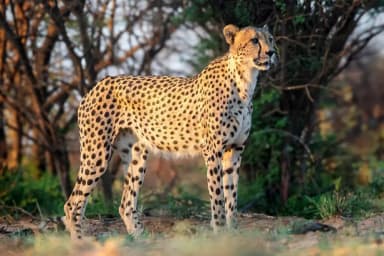
Cheetah
 Jack Dykinga · Public domain
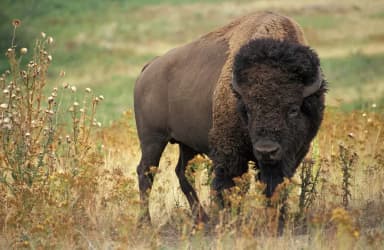
American Bison
 Christian Ursilva from Copenhagen, Denmark · CC BY-SA 4.0
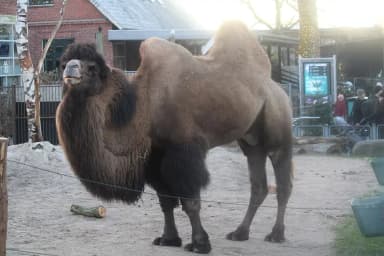
Bactrian Camel
 Lilly M · CC BY-SA 3.0
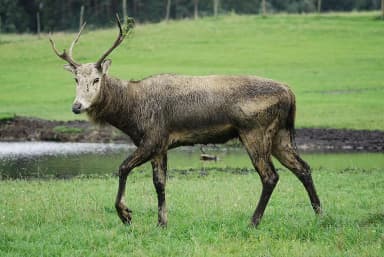
Père David's Deer
 Claudia Feh · CC BY-SA 4.0
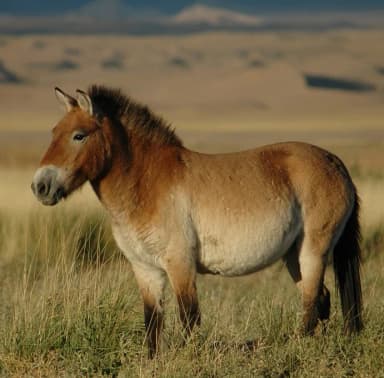
Przewalski's Horse
 Thomas Fuhrmann · CC BY-SA 4.0
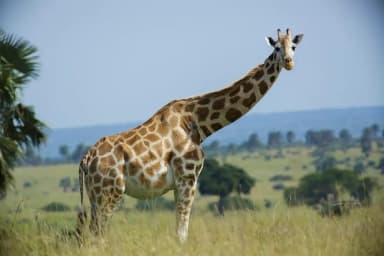
Giraffe
 AfricanConservation · CC BY-SA 4.0
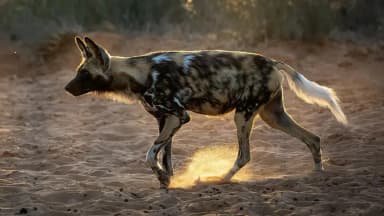
African Wild Dog
 Albinfo · CC BY-SA 3.0
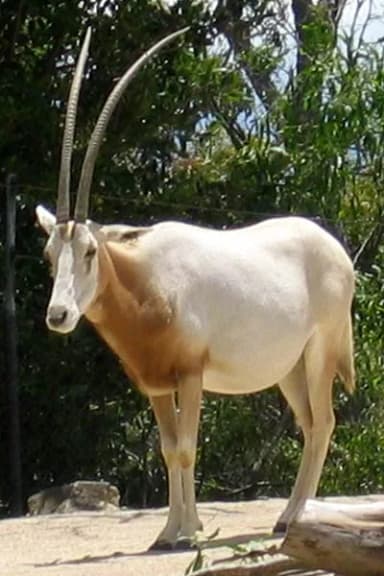
Scimitar-horned Oryx
 Mayank1704 · CC BY-SA 4.0
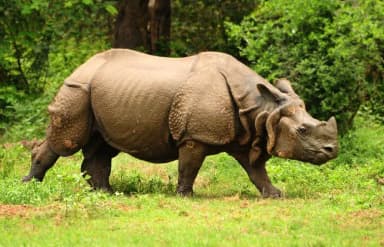
Greater One-horned Rhinoceros
 Yathin S Krishnappa · CC BY-SA 4.0
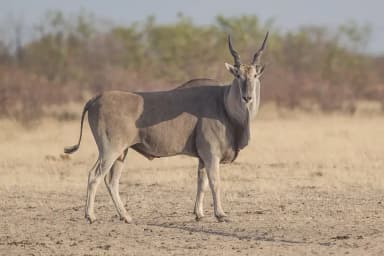
Common Eland
Feathers & Fangs from visitors
What people who've been to The Wilds say
A Feather is something this zoo does well; a Fang is something it gets wrong. Left by people who've been, and read by us before they appear.
Loading…
About The Wilds
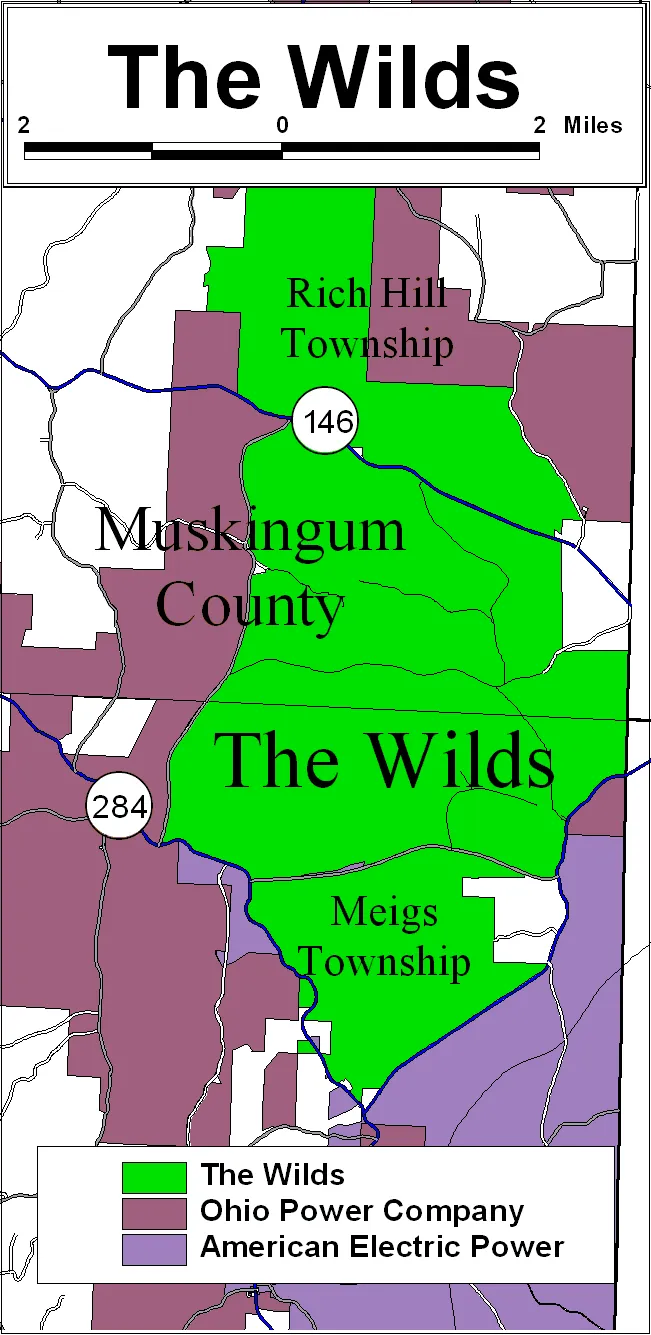
The Wilds is a private, non-profit safari park and conservation center in southeastern Muskingum County, Ohio, just west of Cumberland. It opened to the public in 1994 and today spans nearly 10,000 acres of former surface-mined land, making it one of the largest conservation centers in North America. According to the organization, more than 600 animals representing over 25 species live on the property, roaming across open pastures rather than in traditional exhibit enclosures. The Wilds is accredited by the Association of Zoos and Aquariums and the Zoological Association of America, and it is also certified by the World Association of Zoos and Aquariums.
The property includes about 3.1 square miles of pastures and a 27-acre Carnivore Conservation Center, along with more than 15 miles of mountain bike and hiking trails and roughly 150 lakes. The Wilds is designated an Audubon Important Bird Area, and its grounds include a birding station with a covered lookout and a butterfly habitat. Close to 100,000 visitors come each year, making it a year-round travel destination built around open-air safari tours rather than a walk-through zoo layout.
The organization is structured around what it calls strategic centers, covering animal management, science and research, conservation education and professional training, land stewardship and habitat management, personal guest experience, institutional partnerships, and resource development. Visitors move through the property aboard open-air safari vehicles, with additional options including ziplining, horseback tours, and fishing, rather than walking a conventional zoo path.
History
The Wilds traces its origin to the late 1970s, when the Ohio Departments of Natural Resources and Development, Ohio's zoos, and private industry began imagining what reclaimed strip-mined land in southeastern Ohio might become. In 1984, that vision was incorporated as a non-profit under the name The International Center for the Preservation of Wild Animals, Inc., and that same year the organization received a gift of approximately 9,154 acres from the Central Ohio Coal Company, a subsidiary of American Electric Power.
Development followed steadily through the following decade. The Johnson Visitor Center, built with a geothermal heating and cooling system, was completed in 1989. Fencing and animal management facilities came together through 1990, and the first animals, Przewalski's horses, arrived in 1992. The Wilds officially opened to the public for tours in 1994, offering an experience unlike a traditional zoo: guests traveled by vehicle through thousands of acres of open pasture rather than from exhibit to exhibit. The organization earned AZA accreditation in 1996.
Growth continued through the 2000s and 2010s. A partnership with the Columbus Zoo and Aquarium began in 2001, and The Wilds completed its first long-term Strategic Vision Plan in 2005. The Carnivore Conservation Center opened in 2007, and overnight accommodations at Nomad Ridge, featuring yurts overlooking the pastures, opened in 2009 alongside the birth of the first recorded fourth-generation southern white rhino born in human care. The 2010s brought the Conservation Science Training Center in 2010, the first wild equids ever produced through artificial insemination (Persian onagers) that same year, zipline and horseback tours starting in 2011, the Hellbender Conservation Center in 2013, and what The Wilds describes as the world's largest rhino herd barn in 2016. By 2019, annual attendance had set a new record of more than 121,800 guests.
Exhibits and habitats
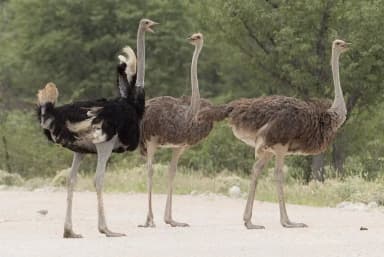
Rather than discrete exhibits, The Wilds is organized around large open-range pastures where herds of hoofstock and other species roam together across the reclaimed landscape. Species recorded there include African wild dogs, Bactrian camels, banteng, American bison, cheetahs, common eland, dholes, fringe-eared oryx, giraffes, greater one-horned rhinoceroses, Grevy's zebras, ostriches, Persian onagers, Przewalski's horses, Père David's deer, scimitar-horned oryx, Sichuan takin, and southern white rhinoceroses. The dedicated 27-acre Carnivore Conservation Center gives species such as cheetahs, dholes, and African painted dogs their own managed habitats within the broader property.
The grounds also include the Hellbender Conservation Center, focused on one of Ohio's native amphibians, and the American Burying Beetle Facility, both reflecting a mission that extends beyond the safari animals to local Ohio wildlife. Visitors reach these areas through several tour formats: standard open-air daytime safaris, sunset safaris, zipline adventures, horseback tours, and fishing excursions across the property's approximately 150 lakes. Overnight guests can stay at The Lodge, which opened in 2002, or in the Nomad Ridge yurts overlooking the pastures.
Animal highlights
The Wilds' own materials describe more than 600 animals representing over 25 species living on the property, with at least 19 species listed on the organization's website. Species named there include African wild dogs, bison, cheetahs, giraffes, greater one-horned rhinoceroses, Grevy's zebras, Przewalski's horses, scimitar-horned oryx, southern white rhinoceroses, and Sichuan takin, among others. Many of these are threatened or endangered species managed as part of coordinated breeding programs, and the open pastures are designed to let them behave more like wild herds than zoo-enclosure residents. Recent conservation successes cited by The Wilds include births of southern white rhinos, Masai giraffes, and Grevy's zebras, alongside the birth of a banteng calf produced through artificial insemination.
Conservation and programs
Conservation runs through nearly every part of The Wilds' operation. Beyond breeding programs for large mammals, the organization runs conservation medicine projects assessing water quality and its effects on marine life, comparing animal health across different habitats, and evaluating fresh water mussels for disease, parasites, and toxins. Native Ohio wildlife receives dedicated attention as well: in 2025 alone, the organization says its teams released 116 eastern hellbenders into native streams and transferred more than 100 American bison born and raised on the property to Tribal lands, supporting both species restoration and cultural significance for Indigenous communities.
Education is also part of the mission. The Wilds operates day and overnight camps, a veterinary residency partnership with The Ohio State University and the Columbus Zoo, and an annual Conservation Science Symposium hosted with Muskingum University. In 2025, the organization reports delivering 316 education programs connecting learners with conservation through field trips, camps, and hands-on experiences.
Planning your visit
The Wilds is built around guided safari tours rather than a self-guided walking visit, so most guests will want to plan around a specific tour time, such as the Open-Air Safari or the Wildside Safari, both of which are described as accessible with wheelchair-accessible vehicles available on advance request. All visitor areas are described as ADA-friendly, and lodging on site is also ADA-accessible. Guests with sensory needs should expect vehicle, animal, and outdoor noise, natural animal odors, and bright sunlight during tours, and headphones or sunglasses are welcome.
Dining options include the Overlook Café and the Terrace Grill, the latter positioned partway through the safari route near the cheetah, painted dog, and dhole habitats, along with food service near the Lodge offering pizza, burgers, salads, and desserts. Two gift shop locations sell conservation-themed merchandise, with proceeds supporting the organization's work. Because service animals are not permitted on some tours due to the presence of free-roaming endangered species, guests who use a service animal should confirm which tours can accommodate them before arriving. As with any zoo or safari park, hours, tour schedules, and pricing should be confirmed on the official website before a visit.
What we haven't confirmed
Everything above came from public sources. These specifics we haven't stood behind yet:
- Hours
- Ticket prices
- Parking details
- Animal count (species count of at least 19 is a floor from the website)
- Time needed for a visit
- Phone number
The Wilds compared with nearby zoos
How The Wilds lines up against the closest zoos we have details for — useful if you're deciding between them for the same day out.
| Zoo | Distance | Admission | Hours | Size | AZA |
|---|---|---|---|---|---|
| The WildsThis zooCumberland, OH | — | $35 | Open-Air Safari tours depart daily between 8:45 AM and 4:00 PM (May 1 – Oct 31). | 27 acres | Yes |
| The Farm at Walnut CreekSugarcreek, OH | 48 mi | $15 | April – October: Monday – Saturday 8:30 AM – 6:00 PM; closed Sundays. November – March: closed (FAQ: by appointment only; call). Always closed Sundays. | — | No |
| Oglebay Good ZooWheeling, WV | 59 mi | $17 | Daily 10:00 AM – 4:00 PM. | 1650 acres | Yes |
| Akron ZooAkron, OH | 87 mi | $11–$21 | 10 am – 5 pm | 77 acres | Yes |
Distances are straight-line. A dash means we haven't confirmed that detail yet, not that the zoo lacks it.
AZAThe Association of Zoos and Aquariums. Accredited members have passed an independent inspection of animal care and welfare, safety, conservation and education, repeated every five years. Many smaller facilities never apply, so “not accredited” isn't a verdict on its own. What accreditation means · How we check this
The Wilds: common questions
Is The Wilds AZA accredited?
Yes. The Wilds is accredited by the Association of Zoos and Aquariums and the Zoological Association of America, and it is certified by the World Association of Zoos and Aquariums.
How big is The Wilds?
The property spans nearly 10,000 acres of reclaimed coal-mine land, including a 27-acre Carnivore Conservation Center and roughly 150 lakes.
When did The Wilds open?
The organization was incorporated in 1984 and opened to the public for tours in 1994.
What animals can you see at The Wilds?
At least 19 species are listed on the organization's website, including African wild dogs, cheetahs, giraffes, bison, Grevy's zebras, and both greater one-horned and southern white rhinoceroses.
Is The Wilds wheelchair accessible?
Yes. All visitor areas are described as ADA-friendly, and wheelchair-accessible safari vehicles are available with advance request.
Can I stay overnight at The Wilds?
Yes. Overnight options include The Lodge and the Nomad Ridge yurts, which overlook the conservation pastures.
Something wrong here? Tell us — we correct in place, with a dated note.