
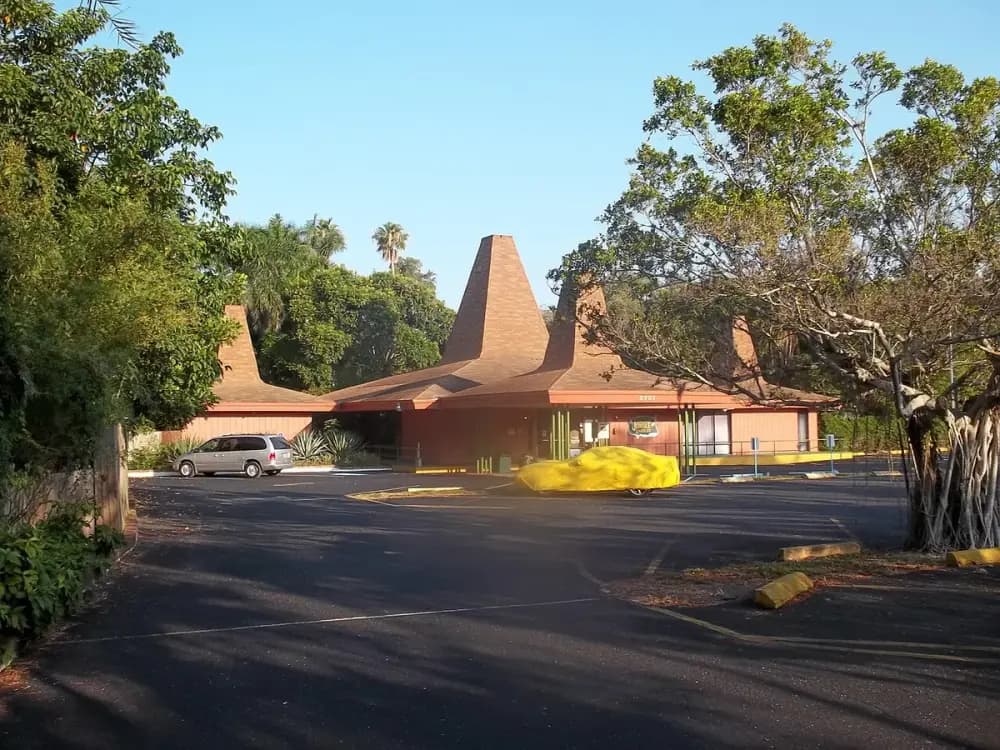
- Admission
- $24.99
- Size
- 10 acres
- Opened
- 1939
- Accreditation
- None listed
not accredited by the Association of Zoos and Aquariums
Everything below is directory information drawn from public sources and the zoo's own site.
Animals at Sarasota Jungle Gardens
6 confirmedMammals2
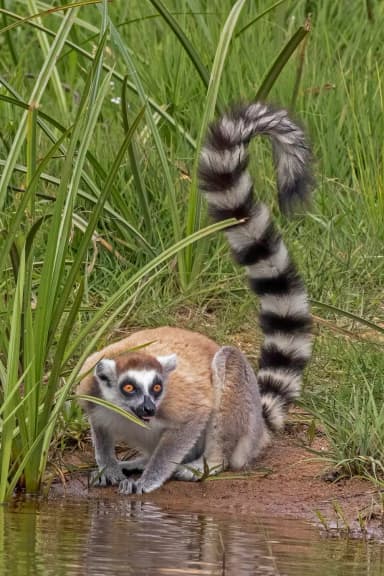
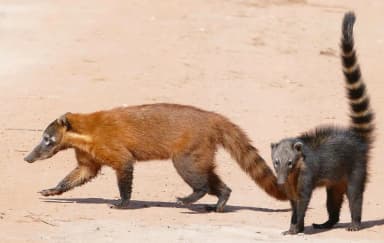
Feathers & Fangs from visitors
What people who've been to Sarasota Jungle Gardens say
A Feather is something this zoo does well; a Fang is something it gets wrong. Left by people who've been, and read by us before they appear.
Loading…
About Sarasota Jungle Gardens
Sarasota Jungle Gardens is a family-owned attraction in Sarasota, Florida, combining botanical gardens with bird, reptile, and mammal exhibits across 10 acres of tropical landscaping and winding jungle trails. It has operated continuously since 1939, making it one of Florida's oldest attractions still in business, and it has been guided by the Allyn-Lavick family since 1971. The gardens charge a per-visit admission fee and also sell annual membership passes.
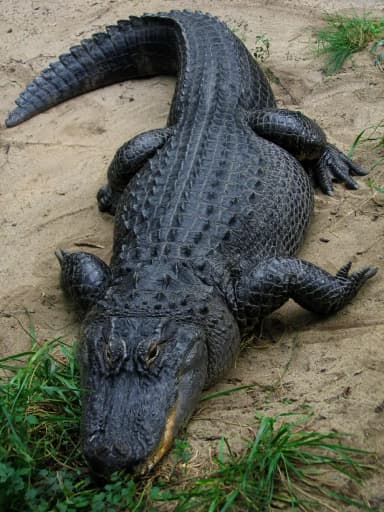
The property is home to more than 200 native and exotic animals, including many that were rescued or donated rather than acquired for display — birds of prey, parrots, macaws, flamingos, primates, goats, snakes, lizards, iguanas, alligators, and crocodiles among them. The grounds include roughly 1.2 miles of walking trails through the gardens, plus a cafe and gift shop.
The Gardens are organized around a mix of free-roaming animal encounters, most famously its flamingos, and scheduled bird and reptile shows presented by the animal-care staff throughout the day, with meet-the-keeper sessions afterward. The site also carries an official history designation from the city of Sarasota: on March 5, 2024, Mayor Liz Alpert proclaimed the date Sarasota Jungle Gardens Day in recognition of the attraction's decades of community connection, conservation work, and education.
History
The land that became Sarasota Jungle Gardens was a swampy banana grove in the 1920s, described in city records at the time as an impenetrable swamp. In the early 1930s, local newspaperman David Breed Lindsay bought the roughly 10 acres of untouched subtropical land west of U.S. 41 and began developing it into botanical gardens with his neighbor, horticulturist Pearson Conrad. Their plan added winding streams, lakes, and plantings sourced from around the world to the existing Florida landscape.
Admission fees began in 1936, and the gardens opened to the public in essentially their current form in 1939 and 1940. In the 1970s, the site was sold to the Allyn family, later known as the Allyn-Lavick family, who have continued to manage the gardens since 1971. In that decade the gardens also introduced their first exotic bird show, an offering that continues today and now includes birds that have lived more than 90 years. Two features on the property carry over from an earlier private residence on the land: the building that now houses the Flamingo Cafe was once a home, and the current koi pond began as that home's swimming pool.
Exhibits and habitats
The gardens' plantings include a mix of native Florida species — red maples, oaks, and bald cypress — alongside exotic trees gathered from around the world, among them an Australian nut tree, a bunya-bunya tree, and one of the largest Norfolk Island pines in the state, plus strangler figs, royal palms, Philodendron selloum, banana trees, Peruvian apple cactus, and staghorn ferns. Guests move between these plantings on the jungle trails that give the gardens their name.
Animal encounters are built around three recurring shows, each roughly 20 minutes and included with admission: an exotic bird show featuring trained parrots and other birds performing tricks such as roller-skating and bicycling; a reptile show covering snakes, alligators, and other reptiles, with a chance to hold an animal or take a photo afterward; and a wildlife-focused show covering species such as red-tailed hawks, kookaburras, owls, skunks, and hissing cockroaches, with a rotating cast of animals. A separate petting zoo lets visitors pet and feed animals directly, and a koi pond offers hand feeding as well.
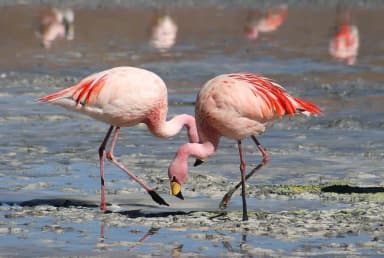
The gardens' best-known feature is their free-roaming flock of flamingos, which visitors can walk among and hand-feed rather than viewing from behind a barrier. For younger visitors, the grounds also include a renovated playground and a wooden "choo choo" train ride.
Animal highlights
Sarasota Jungle Gardens is home to more than 200 native and exotic animals, a figure that functions as a floor on the collection rather than an exact count. Species mentioned across the gardens' own materials include birds of prey, parrots, macaws, flamingos, primates, goats, snakes, lizards, iguanas, alligators, and crocodiles, along with butterflies and other small mammals featured in up-close encounters. Most of the animals at the gardens have been rescued by state or federal agencies or donated by private individuals, and the gardens describe the property as a sanctuary where these animals live out the rest of their lives.
The flamingos remain the gardens' signature residents, given their free-roaming access and reputation for approaching guests directly. The gardens also note that some of their exotic birds have lived for more than 90 years, a detail highlighted in connection with their long-running bird show.
Planning your visit
Sarasota Jungle Gardens is open year-round from 10 a.m. to 4 p.m., closed only on Thanksgiving and Christmas Days, as listed on the gardens' website — confirm current hours before visiting since they can change. A one-day adult pass was listed at $24.99 and a child pass (ages 4 to 12) at $14.99, with children 3 and under admitted free; annual passes and a family annual pass covering two adults and two children were also listed, along with a summer family pass valid June through August. Group rates are available with advance booking for parties of 12 or more.
Most visitors should plan for roughly 2 to 4 hours to explore the 10-acre grounds and 1.2 miles of walking trails and to catch the scheduled shows. The gardens are reachable from Interstate 75 via the University Parkway West exit, continuing south on U.S. 41 to Myrtle Street and then north on Bay Shore Road. Paved walkways and benches run throughout the property, and wheelchairs ($10) and single or double strollers ($7.50–$10) can be rented on a first-come, first-served basis. The Flamingo Cafe serves sandwiches, hot dogs, snacks, candy, and ice cream, with both indoor and outdoor seating, and free Wi-Fi is available in the cafe and across most of the grounds. Outside picnics are allowed only at tables in the parking lot, not inside the gardens, and outside food and coolers are otherwise restricted. As always, check the official website for current hours, pricing, and any schedule changes before your visit.
What we haven't confirmed
Everything above came from public sources. These specifics we haven't stood behind yet:
- Parking cost, if any
- Exact animal and species count
- Phone number confirmation for current hours
Sarasota Jungle Gardens compared with nearby zoos
How Sarasota Jungle Gardens lines up against the closest zoos we have details for — useful if you're deciding between them for the same day out.
| Zoo | Distance | Admission | Hours | Size | AZA |
|---|---|---|---|---|---|
| Sarasota Jungle GardensThis zooSarasota, FL | — | $24.99 | 10:00 am – 4:00 pm | 10 acres | No |
| ZooTampa at Lowry ParkTampa, FL | 45 mi | — | 9:30 AM – 5:00 PM | 63 acres | Yes |
| Busch Gardens Tampa BayTampa, FL | 47 mi | from $61.99 | Hours vary by date. Typical October 2026: Thu–Sun 10:00 AM – 6:00 PM; Mon–Wed 10:00 AM – 5:00 PM (some dates differ, e.g., Mon Oct 12 until 7 PM, Tue–Wed Oct 27–28 until 6 PM). Separate-ticket Howl-O-Scream nights run 7 PM – midnight/1 AM on select dates. | 335 acres | Yes |
| Croc EncountersTampa, FL | 47 mi | $27 | Guided tours 7 days a week at select times; reserve online or by phone. Booking office 8:00 AM – 8:00 PM. | — | No |
Distances are straight-line. A dash means we haven't confirmed that detail yet, not that the zoo lacks it.
AZAThe Association of Zoos and Aquariums. Accredited members have passed an independent inspection of animal care and welfare, safety, conservation and education, repeated every five years. Many smaller facilities never apply, so “not accredited” isn't a verdict on its own. What accreditation means · How we check this
Sarasota Jungle Gardens: common questions
Is Sarasota Jungle Gardens a zoo?
Yes. It describes itself as home to more than 200 native and exotic animals, including birds of prey, parrots, flamingos, primates, and reptiles, alongside its botanical gardens.
How big is Sarasota Jungle Gardens?
The gardens cover 10 acres, with about 1.2 miles of walking trails.
When did it open?
The site opened to the public in 1939 and 1940, after admission fees began in 1936.
How long does a visit take?
Most guests take approximately 2 to 4 hours to see the grounds and shows.
Can you feed the flamingos?
Yes. The flamingos roam freely through the gardens, and guests can hand-feed them.
Is it wheelchair and stroller accessible?
Yes, the gardens have paved walkways and benches, and wheelchairs and strollers are available to rent on-site.
Is there food available inside?
Yes, the Flamingo Cafe offers sandwiches, snacks, and ice cream with indoor and outdoor seating.
Something wrong here? Tell us — we correct in place, with a dated note.