
Save the Chimps
Fort Pierce, FL
- Admission
- —
- Size
- 150 acres
- Opened
- 1997
- Accreditation
- None listed
not accredited by the Association of Zoos and Aquariums
Everything below is directory information drawn from public sources and the zoo's own site.
Animals at Save the Chimps
1 confirmed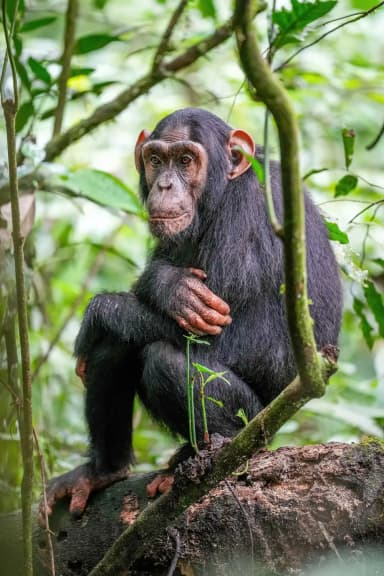
Feathers & Fangs from visitors
What people who've been to Save the Chimps say
A Feather is something this zoo does well; a Fang is something it gets wrong. Left by people who've been, and read by us before they appear.
Loading…
About Save the Chimps
Save the Chimps is a 501(c)(3) nonprofit sanctuary in Fort Pierce, Florida, dedicated entirely to the care of chimpanzees. It was founded in 1997 by Carole C. Noon, with support from Jon Stryker of the Arcus Foundation. The sanctuary is accredited by the Global Federation of Animal Sanctuaries and is a founding member of the North American Primate Sanctuary Alliance. Its stated mission is to provide sanctuary and exemplary care to chimpanzees in need, and since opening it has been home to more than 300 chimpanzees.
The sanctuary sits on 150 acres in a rural stretch of Fort Pierce, on Florida's Atlantic coast about an hour north of West Palm Beach. Most of its chimpanzees live in large social groups spread across 12 separate three-acre islands built within those 150 acres, giving the animals room to roam and make choices that had been denied them in their earlier lives. Unlike a traditional zoo, Save the Chimps is not open to the public; as a GFAS sanctuary, its purpose is retirement and care rather than public exhibition, though it holds occasional events for its members.
Save the Chimps describes itself as one of the largest chimpanzee sanctuaries in the world. It is entirely funded through donations from individuals and private foundations and receives no government funding.
History
Carole Noon founded Save the Chimps in 1997 after the U.S. Air Force announced it would end its chimpanzee research program and put the animals up for auction. Outraged at the conditions the chimps had endured, Noon sued the Air Force and, after losing an initial bid to the Coulston Foundation, a biomedical research lab, eventually settled out of court for custody of 21 of the 140 chimps in question. She and co-founder Jon Stryker then purchased 150 acres in Fort Pierce and built the sanctuary's first island home, complete with hills, shelters, and climbing structures.
Three months after the first rescued chimpanzees arrived, the Coulston Foundation went bankrupt after repeated violations of the Animal Welfare Act and lost its NIH funding. Coulston offered to sell its laboratory land and buildings and donate its remaining 266 chimpanzees to Save the Chimps — at the time, the single largest rescue of chimpanzees in history. Save the Chimps took over the Coulston facility, converted it into a more humane environment, and spent nine years moving the 266 chimps to new island homes in Florida in what it calls the Great Chimpanzee Migration, completed on December 14, 2011, when the last group was released onto its island.
More recently, Save the Chimps was featured in the 2024 HBO documentary series Chimp Crazy, as the new home of Tonka, a chimpanzee who had previously been rented out for Hollywood films and used to breed chimps as pets. Tonka arrived at the sanctuary in 2022.
Exhibits and habitats
Save the Chimps has no exhibits in the zoo sense; its residents live on 12 separate three-acre islands spread across the sanctuary's 150 acres in Fort Pierce. Each island was built with hills, shelter, and climbing structures so that resident chimp families can move between indoor and outdoor space and make their own choices about where to spend the day, something denied to them in the laboratories, pet homes, or entertainment settings they came from. Chimps cannot swim, so the lakes surrounding each island serve as a natural barrier, letting the sanctuary house its residents without bars or cages.
Animal highlights
Save the Chimps is a single-species sanctuary: it is home only to chimpanzees, more than 300 of whom have lived there since it opened, most rescued from biomedical research laboratories, the pet trade, or the entertainment industry. The chimps typically live 40 to 60 years, and the sanctuary does not deliberately breed them, treating each arrival as a lifelong commitment.
Among current residents, the sanctuary highlights Tonka, who now lives with a family group known as Doug's Family and has access to his own three-acre island, where he can move freely between indoor and outdoor space. The sanctuary employs three full-time veterinarians, three full-time certified veterinary technicians, and two full-time veterinary or pharmacy assistants to care for its residents, who are fed three meals of fresh fruits and vegetables a day plus a nutritionally complete "monkey chow," along with food-based enrichment scattered across the islands.
Conservation and programs
Save the Chimps does not participate in reintroduction programs, and it explains why on its own site: captive-born chimpanzees in the United States have never learned to find food, avoid predators, or otherwise survive independently, and releasing them could also spread disease or disrupt the genetics of wild populations across Africa's distinct subspecies. Instead, the sanctuary's program is built entirely around long-term, non-breeding care — birth control is standard practice, and the last accidental birth at the sanctuary, caused by a failed vasectomy, was in 2007.
Staff also plan for Florida's hurricane season as part of the sanctuary's operating model: the chimps' indoor housing was built to withstand storms, supplies are stocked in advance, and caregivers remain on-site with the chimps, separated by steel caging, for the duration of any storm. Chimps are never handled directly by staff except under anesthesia during a physical exam, because an adult chimpanzee is many times stronger than an adult human; even so, staff say they know each resident individually.
Planning your visit
Save the Chimps is not a walk-in attraction. The sanctuary is closed to the general public so that its chimpanzee residents can live out a peaceful retirement, and it does not sell day tickets or offer drop-in tours. Access is limited to members of its Caregiver Society, who are invited to an annual event or a prearranged appointment, a limited number of ticketed public events held some years, and tours by invitation only.
People interested in visiting are directed to sign up for the sanctuary's newsletter, which lists upcoming events and any opportunities to visit, and to check the giving-levels page for what different membership tiers include. Undergraduate internships are currently limited to students at Indian River State College in Fort Pierce, and veterinary externships are open to enrolled veterinary students; no on-site or complimentary housing is available for either. Anyone hoping to support the sanctuary without visiting can donate online or send care packages to the sanctuary's Fort Pierce address. Confirm current event dates, membership details, and any visiting opportunities on the official website before planning a trip.
What we haven't confirmed
Everything above came from public sources. These specifics we haven't stood behind yet:
- Public event dates and ticket details
- Membership pricing and tiers
- Parking
- Accessibility information
- Phone number
Save the Chimps compared with nearby zoos
How Save the Chimps lines up against the closest zoos we have details for — useful if you're deciding between them for the same day out.
| Zoo | Distance | Admission | Hours | Size | AZA |
|---|---|---|---|---|---|
| Save the ChimpsThis zooFort Pierce, FL | — | — | Closed to the public. Open only for Member Days, the annual Caregiver Society event, a few ticketed public events, and invitation-only tours. | 150 acres | No |
| The National Elephant CenterFellsmere, FL | 21 mi | — | — | 225 acres | No |
| Brevard ZooMelbourne, FL | 53 mi | $34.95–$36.95 | 9:30 AM – 5:00 PM | 75 acres | Yes |
| Palm Beach ZooWest Palm Beach, FL | 64 mi | from $29.95 | 9 am – 5 pm | 23 acres | Yes |
Distances are straight-line. A dash means we haven't confirmed that detail yet, not that the zoo lacks it.
AZAThe Association of Zoos and Aquariums. Accredited members have passed an independent inspection of animal care and welfare, safety, conservation and education, repeated every five years. Many smaller facilities never apply, so “not accredited” isn't a verdict on its own. What accreditation means · How we check this
Save the Chimps: common questions
Can you visit Save the Chimps?
No. It is closed to the general public; access is limited to Caregiver Society members, occasional ticketed public events, and invitation-only tours.
When was Save the Chimps founded?
It was founded in 1997 by Carole C. Noon, with support from Jon Stryker of the Arcus Foundation.
How big is the sanctuary?
It covers 150 acres in Fort Pierce, Florida, including 12 separate three-acre chimpanzee islands.
How many chimpanzees has the sanctuary cared for?
More than 300 chimpanzees have lived at Save the Chimps since it opened.
Does Save the Chimps breed its chimpanzees?
No. The sanctuary does not deliberately breed chimps; its last accidental birth, from a failed vasectomy, was in 2007.
Is Save the Chimps government funded?
No. It is funded entirely through donations from individuals and private foundations.
Where is Save the Chimps located?
In Fort Pierce, Florida, on the Atlantic coast about an hour north of West Palm Beach.
Something wrong here? Tell us — we correct in place, with a dated note.