
Performing Animal Welfare Society
Galt, CA
- Admission
- —
- Size
- 2300 acres
- Opened
- 1984
- Accreditation
- None listed
not accredited by the Association of Zoos and Aquariums
Everything below is directory information drawn from public sources and the zoo's own site.
Animals at Performing Animal Welfare Society
5 confirmed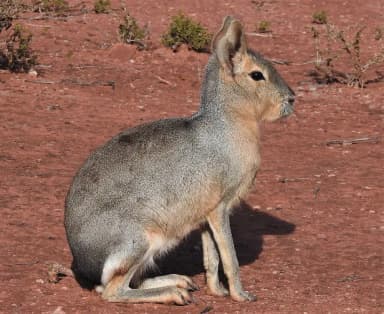
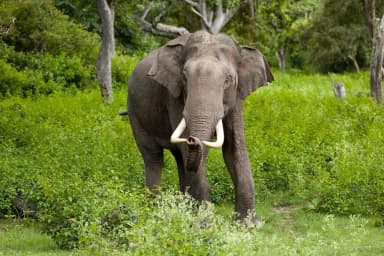
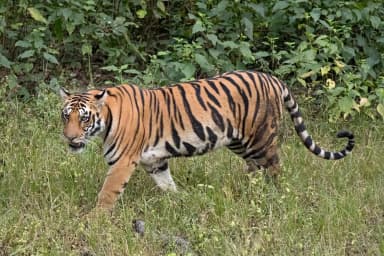
Feathers & Fangs from visitors
What people who've been to Performing Animal Welfare Society say
A Feather is something this zoo does well; a Fang is something it gets wrong. Left by people who've been, and read by us before they appear.
Loading…
About Performing Animal Welfare Society
The Performing Animal Welfare Society, known as PAWS, is a nonprofit sanctuary organization based in Galt, California, founded in 1984 by former Hollywood animal trainer Pat Derby and her partner Ed Stewart. Unlike a traditional zoo, PAWS describes itself as a true sanctuary: it does not breed, buy, sell, or trade animals, and it does not allow the public to come into contact with them. Its mission centers on providing lifetime sanctuary for abused, abandoned, and retired captive wildlife, alongside advocacy work on behalf of captive wild animals and public education about the issues surrounding them.
PAWS's main facility, ARK 2000, covers 2,300 acres in California's Gold Country and provides refuge for elephants, tigers, bears, and other animals rescued from zoos, circuses, and the exotic pet trade. The sanctuary is accredited by the Global Federation of Animal Sanctuaries (GFAS), which requires member organizations to meet standards for animal care, financial stability, and governance. Because the sanctuary prioritizes giving its residents the most intrusion-free lives possible, it is not open to the public except for a limited number of educational events each year.
History
Pat Derby and Ed Stewart founded PAWS in 1984, opening its first sanctuary in Galt, California, in 1985. Early in its history, PAWS worked with California State Assemblyman Sam Farr to pass a bill establishing humane standards for the care of captive wildlife in the state. PAWS became the first elephant sanctuary in the United States when "71," a sickly baby African elephant, arrived from a private facility. Following the beating of African elephant Dunda at the San Diego Wild Animal Park, PAWS worked with State Senator Dan McCorquodale to pass further elephant protection regulations, and its investigations into California's canned hunt industry led to a state ban on shooting captive wild animals at close range.
PAWS later opened the Amanda Blake Memorial Wildlife Refuge in Herald, California, a sanctuary for exotic hoof stock named for the actress and longtime PAWS benefactor known for her role in the television series "Gunsmoke"; that facility closed in 2023 once its animals were relocated to ARK 2000. ARK 2000 itself, the 2,300-acre sanctuary set in California's Gold Country, opened to provide lifetime care for rescued and retired elephants, big cats, bears, and other wild animals in more spacious, naturalistic surroundings. PAWS went on to conduct what it describes as the largest tiger rescue in U.S. history at the time, saving 39 abused and neglected tigers from a pseudo-sanctuary in Colton, California, and building a dedicated 10-acre facility at ARK 2000 to house them.
In subsequent years PAWS became the first U.S. sanctuary to care for a male elephant, Nicholas, who had previously trained and been leased to circuses; opened the Bob Barker Bear Habitat at ARK 2000; and helped pass bans on elephant bullhooks in Los Angeles and Oakland before co-sponsoring a statewide California ban alongside the Humane Society of the United States and the Oakland Zoo. PAWS later opened the Pat Derby Animal Wellness Center, an on-site veterinary clinic at ARK 2000, and helped pass a Los Angeles ordinance banning wild animal acts and the use of captive wildlife for entertainment at private parties. Most recently, PAWS collaborated with other animal protection groups to help pass the federal Big Cat Public Safety Act, which prohibits private ownership of big cats and ended cub petting operations nationwide. PAWS marked 40 years of rescue, sanctuary, education, and advocacy.
Exhibits and habitats
Rather than public-facing exhibits, PAWS designs its enclosures as naturalistic habitats meant for the animals themselves rather than for viewing. These environments include grassy areas, broad oak trees, native shrubs, and pools and lakes, giving residents room to forage, swim, climb, socialize, or bask much as they would in the wild. The 10-acre facility built for PAWS's rescue of 39 tigers from a pseudo-sanctuary is one example of this purpose-built approach, as is the Bob Barker Bear Habitat, funded by the Bob Barker/DJ&T Foundation, which gives rescued bears a spacious, natural setting at ARK 2000.
An on-site facility, the Pat Derby Animal Wellness Center, provides diagnosis and treatment for the sanctuary's animals, equipped by PAWS with modern diagnostic equipment and a fully equipped surgical suite. Caregivers interact with the animals under a "protected contact" system, working through a barrier rather than sharing open space with them, with all training done voluntarily through food rewards and verbal praise.
Animal highlights
PAWS cares for elephants, tigers, bears, and nonhuman primates, along with other rescued wild animals, all housed at the ARK 2000 sanctuary. The animals arrive from a range of backgrounds: some are retired from zoos and circuses, others were confiscated by law enforcement after being illegally kept as pets, and some come to PAWS as a result of legal action by state or federal authorities. Because PAWS does not breed its animals, its population changes only through rescue, and residents typically stay for the rest of their lives; the sanctuary notes that elephants can live into their 50s or 60s in its care, while big cats, bears, and primates can live 20 years or more.
Care costs vary widely by species: PAWS estimates that a healthy elephant costs roughly $80,000 a year to feed and care for, rising past $100,000 for an aged or unhealthy elephant, while a healthy bear or big cat costs around $18,000 to $20,000 annually, and a smaller cat such as a bobcat or a monkey costs about $10,000 a year.
Conservation and programs
PAWS's work is built around what it calls "protected contact" animal management, in which caregivers interact with animals through a protective barrier rather than sharing unrestricted space with them; animals are trained using food rewards and verbal praise on a strictly voluntary basis, with no punishment or physical discipline used. An on-site veterinary clinic at ARK 2000 provides daily monitoring, routine exams, weight tracking, and prompt medical treatment, alongside a fully equipped surgical suite.
Beyond direct animal care, PAWS has shaped state and federal policy on captive wildlife, including California's canned hunt ban, elephant protection regulations, statewide and municipal bullhook bans, a Los Angeles ordinance against wild animal acts, and the federal Big Cat Public Safety Act. The organization also hosts an annual PAWS International Captive Wildlife Conference, describing it as the world's longest-running international conference examining the realities of captive wildlife, and it publishes regular newsletters covering sanctuary milestones and new arrivals. PAWS relies entirely on individual donors for its rescues, advocacy, and lifetime animal care, and does not receive government funding even when it assists a government agency with a rescue.
Planning your visit
ARK 2000, the PAWS sanctuary in Galt, California, is not open to the public on a regular basis. To keep the lives of its residents as natural and intrusion-free as possible, PAWS opens the site only for a limited number of educational events each year, such as its International Captive Wildlife Conference, which has included a sanctuary visit as part of its schedule. There are no general admission hours, ticket prices, or walk-in visiting options to report.
Anyone interested in supporting the animals without an on-site visit can do so through donations, corporate giving and matching programs, an online wish list of items the animals need, or by symbolically "adopting" an elephant, tiger, or other resident. The zoo's newsletters and social channels also offer a way to see the animals and follow sanctuary updates without visiting in person. For current information on any scheduled educational events open to the public, check the official PAWS website directly.
What we haven't confirmed
Everything above came from public sources. These specifics we haven't stood behind yet:
- Total number of animals currently in residence
- Full published species count
- Details of any public event dates or tours
- Phone number for general inquiries
Performing Animal Welfare Society compared with nearby zoos
How Performing Animal Welfare Society lines up against other zoos in the same state. We don't have coordinates for it yet, so these aren't ranked by distance.
| Zoo | Admission | Hours | Size | AZA |
|---|---|---|---|---|
| Performing Animal Welfare SocietyThis zooGalt, CA | — | Not open to the public except a few ticketed fundraising events per year at ARK 2000 (San Andreas). | 2300 acres | No |
| Applegate Park ZooMerced, CA | $4 | Thu–Sun 10:00 AM – 4:00 PM; closed Mon–Wed. Closed Thanksgiving, Christmas, New Year's Day. | — | No |
| Avian Behavior ConservancyEscondido, CA | — | Open by appointment only; no walk-ins. Visits are booked bird experiences (owl, falconry/raptor, parrot, family-friendly and specialty programs). | — | No |
| B Bryan PreservePoint Arena, CA | $25 | Open by reservation only, two tour times per day: 10:00 AM (Self-Guided Car Safari, 60 min, or Private Tour, 90 min) and 3:30 PM (Guided Land Rover Safari, 75 min). Giraffe Painting 1:30 PM on the first Saturday of each month. No drop-in visits. | — | No |
Distances are straight-line. A dash means we haven't confirmed that detail yet, not that the zoo lacks it.
AZAThe Association of Zoos and Aquariums. Accredited members have passed an independent inspection of animal care and welfare, safety, conservation and education, repeated every five years. Many smaller facilities never apply, so “not accredited” isn't a verdict on its own. What accreditation means · How we check this
Performing Animal Welfare Society: common questions
Can I visit the PAWS sanctuary?
Generally, no. ARK 2000 is not open to the public except for a limited number of educational events each year, to keep the animals' lives as intrusion-free as possible.
Is PAWS accredited?
Yes, by the Global Federation of Animal Sanctuaries (GFAS), which sets standards for animal care, financial stability, and governance; it is not AZA accredited, since it operates as a sanctuary rather than a zoo.
How big is the sanctuary?
The ARK 2000 sanctuary covers 2,300 acres in California's Gold Country.
When was PAWS founded?
Pat Derby and Ed Stewart founded PAWS in 1984, opening its first Galt sanctuary in 1985.
Does PAWS breed its animals?
No. PAWS does not breed, buy, sell, or trade animals; its population changes only through rescue.
What kinds of animals live at PAWS?
Elephants, tigers and other big cats, bears, and nonhuman primates, among other rescued wild animals.
How can I support the animals without visiting?
Through donations, wish-list purchases, corporate giving, or symbolic animal "adoptions," all detailed on the PAWS website.
Something wrong here? Tell us — we correct in place, with a dated note.