
Central Florida Animal Reserve
Saint Cloud, FL
- Admission
- $25
- Accreditation
- None listed
not accredited by the Association of Zoos and Aquariums
Everything below is directory information drawn from public sources and the zoo's own site.
Animals at Central Florida Animal Reserve
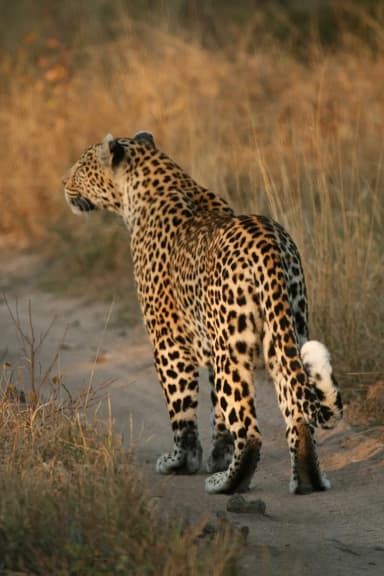
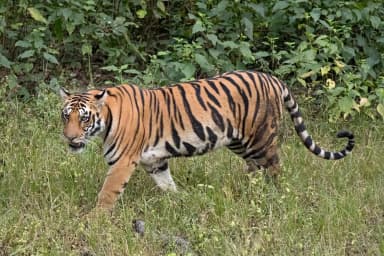
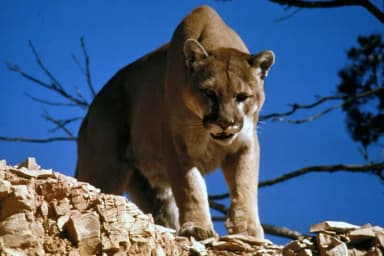
4 confirmed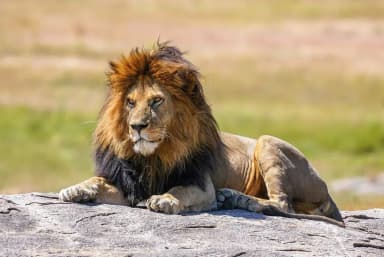
Feathers & Fangs from visitors
What people who've been to Central Florida Animal Reserve say
A Feather is something this zoo does well; a Fang is something it gets wrong. Left by people who've been, and read by us before they appear.
Loading…
About Central Florida Animal Reserve
The Central Florida Animal Reserve, abbreviated CFAR, is a nonprofit big cat reserve at 500 Broussard Road in St. Cloud, Florida. Its website describes its work as meaningful coexistence, thoughtful education and long-term care for big cats, organized around three pillars: compassion, conservation and commitment. The reserve is a registered 501(c)(3) organization.
Its website lists lions, tigers, leopards and cougars as the animals in its care, and species pages cover cougars, leopards, lions, servals and tigers with information on characteristics, behavior and conservation status. The reserve says it provides permanent homes for animals that cannot return to the wild. The reserve is a sanctuary and describes all visitation as guided and scheduled for safety and learning, so it does not operate as a walk-in zoo.
History
According to the reserve's about page, CFAR traces its beginnings to 1996 in Palm Bay. In its early years it took part in preservation efforts that included breeding programs, at a time when, the page says, experts were forecasting the extinction of tigers in the wild. In 2007 the organization reincorporated, ended its breeding initiatives and began concentrating solely on providing a sanctuary.
The about page says a four-year fundraising campaign preceded a move in 2017, when CFAR relocated 25 big cats nearly 60 miles to its current home in Osceola County. Since that move, the page says, the reserve has rehomed 15 additional cats. The reserve states its mission as creating a platform to address the challenge of big cats for the future and to provide value to society today.
Exhibits and habitats
Visits are guided tours of the sanctuary, during which, according to the website, staff share how the animals are cared for, their individual stories and the importance of conservation. A Welcome Center is mentioned in connection with the reserve's brick program, in which personalized bricks are placed at the center.
The species named on the website are lions, tigers, leopards and cougars, with educational pages also covering servals. The reserve describes a longer-term plan it calls the 3Vs. The Visitor Center initiative is described as improving the reserve's ability to host guests through better visitor amenities. Under the Veterinary initiative, CFAR says it seeks to develop an on-site veterinary hospital. The Viability initiative covers connectivity, storage, emergency power, staffing and administrative support.
Conservation and programs
The reserve lists several ways to take part beyond a standard tour:
- Group sales.
- Wild Resilience, a leadership program developed with Sunshine Coaching Group.
- Community events, themed programs, education days and fundraisers held throughout the year.
- Memberships, donations, sponsorships, partnerships and the Coinholder's Club.
- Volunteer opportunities in animal care, tour operations, project teams, teen volunteer activities and group workdays.
Planning your visit
As listed on the reserve's website, the guided options are:
- Guided Walking Tour, 60 minutes, for ages 10 and older.
- Family Tour, designed for families with younger children.
- Behind the Scenes Tour, 90 minutes, for ages 10 and older, visiting additional areas of the reserve.
- Private Walking Tour, 60 minutes, for groups of up to 8 adults.
- Keeper for a Day, a five-hour program for ages 14 and older.
- KEEPER120, a two-hour program for ages 14 and older.
- Executive Tour, 60 to 90 minutes with the reserve's leadership.
Tour days, times and ticket details are on the reserve's website. The reserve can be reached at 321-637-0110 or contact@cflar.org.
What we haven't confirmed
Everything above came from public sources. These specifics we haven't stood behind yet:
- Parking
- Accessibility and wheelchair access
- Specific tour days and times
- Individual animals currently in residence
Central Florida Animal Reserve compared with nearby zoos
How Central Florida Animal Reserve lines up against other zoos in the same state. We don't have coordinates for it yet, so these aren't ranked by distance.
| Zoo | Admission | Hours | Size | AZA |
|---|---|---|---|---|
| Central Florida Animal ReserveThis zooSaint Cloud, FL | $25 | Guided tours only, Saturdays and Sundays, by advance reservation. | — | No |
| Amazing Animals IncSaint Cloud, FL | — | Open 7 days a week, 365 days a year for private guided tours by appointment only at 10:00 AM, 12:00 PM and 2:00 PM daily. | — | No |
| BF Petting FarmThonotosassa, FL | $8 | Thu–Sun 10:00 AM – 4:00 PM. | — | No |
| Boyett’s Grove & Citrus AttractionBrooksville, FL | — | Daily 10:00 AM – 5:00 PM; 5 PM is last admission to Wildlife Park. | — | No |
Distances are straight-line. A dash means we haven't confirmed that detail yet, not that the zoo lacks it.
AZAThe Association of Zoos and Aquariums. Accredited members have passed an independent inspection of animal care and welfare, safety, conservation and education, repeated every five years. Many smaller facilities never apply, so “not accredited” isn't a verdict on its own. What accreditation means · How we check this
Central Florida Animal Reserve: common questions
Is Central Florida Animal Reserve a zoo?
It is a nonprofit big cat sanctuary that offers guided tours, and it is not open for unscheduled visits.
Is it accredited by the AZA?
No. CFAR is not an AZA-accredited facility.
When was the reserve founded?
The reserve's about page traces its beginnings to 1996 in Palm Bay; it moved to Osceola County in 2017.
Which animals live at the reserve?
The website lists lions, tigers, leopards and cougars.
What is the minimum age for tours?
The Guided Walking Tour and Behind the Scenes Tour list ages 10 and older, the keeper programs list ages 14 and older, and the Family Tour is designed for families with younger children.
Can visitors volunteer?
The website lists volunteer opportunities in animal care, tour operations, project teams, teen volunteer activities and group workdays.
Something wrong here? Tell us — we correct in place, with a dated note.